
Skin Cancer Soap Invented by an Ethiopian-American Teenager
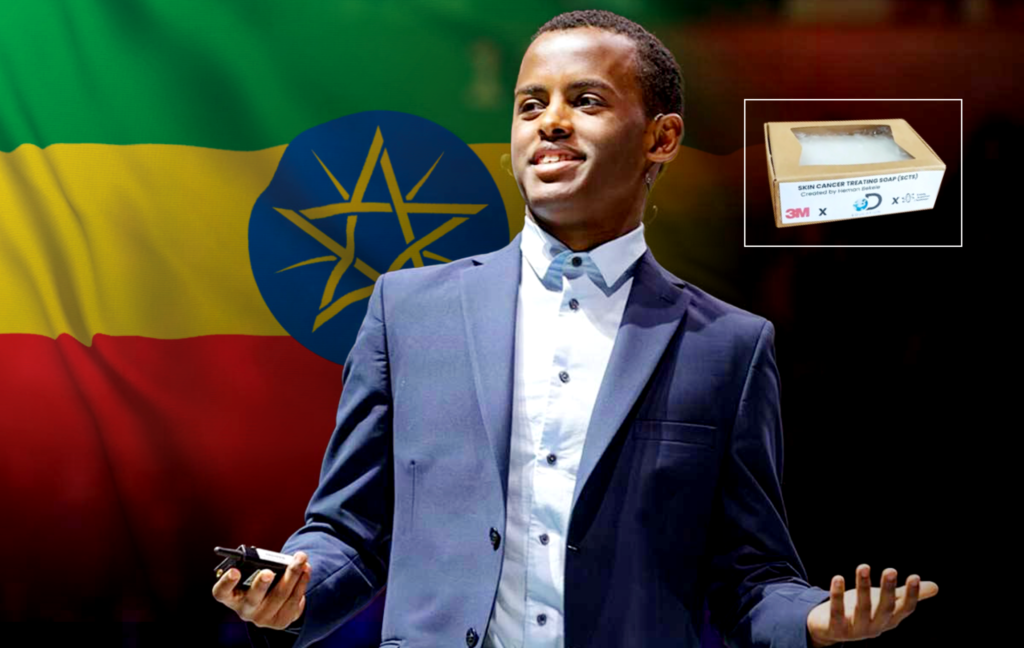
At an age when many teenagers are focused on school assignments and social media trends, Heman Bekele is drawing global attention for an invention that could reshape access to skin cancer treatment in low-income communities.
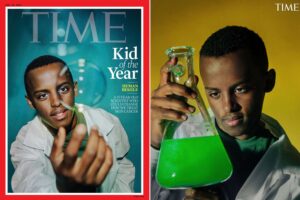
The Ethiopian-American teenager from Virginia, developed a Skin Cancer-Treating Soap (SCTS), a low-cost medicated soap designed to help treat early-stage skin cancer, while fitting into the daily routines of ordinary families. His innovation earned him the 2023 3M Young Scientist Challenge title and recognition as TIME Kid of the Year. Unlike many expensive cancer treatments that require hospital visits, refrigeration, or specialist care, Bekele’s invention focuses on simplicity and accessibility. The soap uses imiquimod, an immune-response medication, delivered through lipid-based nanoparticles that can be applied during a regular bath or hand wash.

To families in rural Africa and other underserved regions, the idea could have life-changing implications. In communities where dermatologists are scarce and healthcare costs remain out of reach, a treatment built into a basic hygiene product may reduce delays in care and encourage earlier intervention.
Bekele said his inspiration came from childhood memories in Addis Ababa, Ethiopia, where many people worked long hours under intense sunlight, with little protection and limited access to cancer treatment. That experience shaped his belief that medical innovation should be designed for everyday people, not only for wealthy patients or advanced hospitals.
Health experts have long warned that skin cancer outcomes are often tied to income, geography and healthcare access. Treatments that work in major cities, are frequently unavailable in remote communities, because of cost and infrastructural challenges. By turning treatment into something as cost-effective/familiar as soap, Bekele’s invention attempts tend to remove some of those barriers. Apart from the medical impact, the project also highlights the growing role of young African and African-diaspora innovators in global healthcare research. Supporters say the invention represents a wider shift towards inclusive design, creating technologies that are affordable, culturally practical and easy to use.
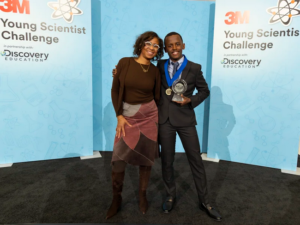

The economic implications could also be significant. Traditional skin cancer creams can cost hundreds of dollars per patient, placing them outside the reach of many households. A cheaper alternative could reduce treatment costs for families, while easing pressure on overstretched healthcare systems in developing countries.
Bekele is currently working with researchers at Johns Hopkins University, to further refine the prototype, as he pursues regulatory approval. While the soap is still under development, the teenager’s work is already being celebrated as an example, of how grassroots innovation can emerge from existing experience and local realities.
Most observers see this invention as a remarkable story of science, behind a soap; and most of all, the message it carries – that life-saving healthcare solutions do not always have to come from billion-dollar laboratories. Sometimes, they can begin with a teenager, asking how medicine can better fit into everyday life.