
Africa’s Retail Megastores Paradox, Store Closures and Market Exits Despite Revenue Growth

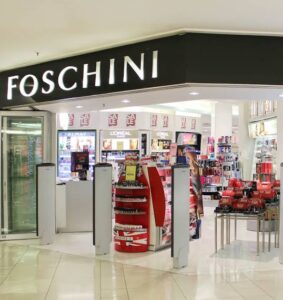
The retreat of some of Africa’s biggest retail brands from key markets is exposing a deeper story about the opportunities and risks surrounding foreign megastores on the continent. While companies such as Shoprite and The Foschini Group (TFG) have reported strong revenues in parts of their operations, they have simultaneously closed stores, exited markets, and restructured business models in response to mounting economic pressures.
The developments raise questions that extend beyond corporate balance sheets. They touch families, workers, local entrepreneurs, governments, and the future direction of African economic integration.
Shoprite’s complete exit from Nigeria and TFG’s decision to shut underperforming outlets despite rising sales illustrate a paradox increasingly visible across Africa: revenue growth does not always translate into sustainable operations. Currency instability, inflation, logistics bottlenecks, rising operating costs and changing consumer behavior have made expansion far more complex than many multinational retailers initially anticipated.
As for millions of consumers, foreign retail chains brought modern shopping experiences, wider product choices and new employment opportunities. Large supermarkets and shopping malls transformed urban consumption patterns, particularly among Africa’s growing middle class. Yet their expansion has also intensified concerns about the long-term survival of traditional markets and small indigenous businesses.

Across Nigeria and many African countries, open-air markets, roadside vendors and neighborhood stores remain critical sources of income for households. Economists note that retailing is still heavily dominated by the informal sector, which supports millions of families who lack access to formal employment. The arrival of multinational chains often places these small operators in direct competition with corporations that possess stronger financing, sophisticated supply chains and greater purchasing power.
The issue is not merely commercial but existential. A decline in customer traffic can translate directly into reduced household income, affecting school fees, healthcare access and food security. Critics argue that if local enterprises are unable to compete on equal terms, economic gains generated by foreign retail investment may become concentrated among a relatively small number of corporate actors.
Labor issues have also emerged as a recurring concern. Trade unions and workplace advocates have periodically raised questions about wages, working conditions and employee welfare within large multinational operations. Reports of workplace stress, allegations of favoritism and concerns over employee treatment have fueled debates about whether the benefits of foreign investment are being distributed fairly among workers.

The discussion has broader social implications. As modern retail expands, traditional relationships between traders, customers and communities can weaken. Markets in many African societies function not only as commercial centers but also as cultural and social institutions where information, support networks and community bonds are maintained. Their gradual displacement could alter longstanding patterns of social interaction and local economic resilience.
At the political level, foreign-owned retail chains often find themselves caught between business realities and diplomatic tensions. South African companies operating in Nigeria have repeatedly become symbols of broader frustrations during periods of xenophobic violence in South Africa. Attacks on foreign nationals in one country have at times triggered retaliatory protests against businesses in another, creating risks for investors and straining bilateral relations.
Such incidents highlight the vulnerability of multinational enterprises to geopolitical developments beyond their control. They also underscore the importance of stronger regional mechanisms for protecting both businesses and citizens as African countries pursue deeper economic integration under continental trade initiatives.
The economic challenges confronting foreign retailers are equally significant. Nigeria’s currency devaluation, foreign exchange shortages and rising energy costs have dramatically increased operating expenses. Retailers dependent on imported goods face a double burden: higher procurement costs and weakened consumer purchasing power.

Infrastructure weaknesses compound these difficulties. Chronic congestion at ports such as Apapa and Tin Can Island can delay shipments for weeks, disrupting inventory management and increasing warehousing expenses. Businesses often maintain larger stock buffers to compensate for uncertainty, tying up capital that could otherwise support expansion or job creation.
In response, many companies are abandoning traditional expansion models and pursuing localization strategies. Greater local sourcing, backward integration and neighborhood-focused retail formats are increasingly viewed as more sustainable alternatives to large import-dependent operations. Some firms are also shifting investment toward smaller convenience stores, mini-marts and lifestyle-oriented shopping centers that combine retail with entertainment and dining.
The experience of Nigeria’s consumer goods sector demonstrates both the resilience and limitations of corporate adaptation. Many firms restored profitability through aggressive price adjustments, smaller product packaging, local sourcing initiatives and cost-cutting measures. Yet analysts caution that stronger corporate earnings do not necessarily reflect improved living standards. While company balance sheets have recovered, many households continue to struggle with rising living costs and stagnant incomes.

The closure of stores by major retailers therefore reflects more than isolated corporate decisions. It reveals a broader recalibration of how multinational businesses view African markets. The continent remains one of the world’s most promising consumer frontiers, driven by urbanization, population growth and expanding digital connectivity. However, investors increasingly recognize that success requires locally tailored strategies rather than imported business models.
The challenge is balancing foreign investment with the protection of domestic enterprise. Encouraging capital inflows while strengthening local supply chains, improving infrastructure, enforcing labor standards and supporting indigenous businesses may determine whether modern retail becomes a catalyst for inclusive growth or a source of deeper economic dependence.
As foreign megastores reassess their African footprints, the debate is no longer simply about store openings or closures. It is about who benefits from modernization, how communities adapt to changing economic realities, and whether Africa’s retail transformation can create prosperity that reaches beyond corporate earnings to the households and entrepreneurs at the heart of the continent’s economy.