

Congo Moves to End Foreign Currency Cash Use by 2027 as Government Pushes to Restore Confidence in National Economy
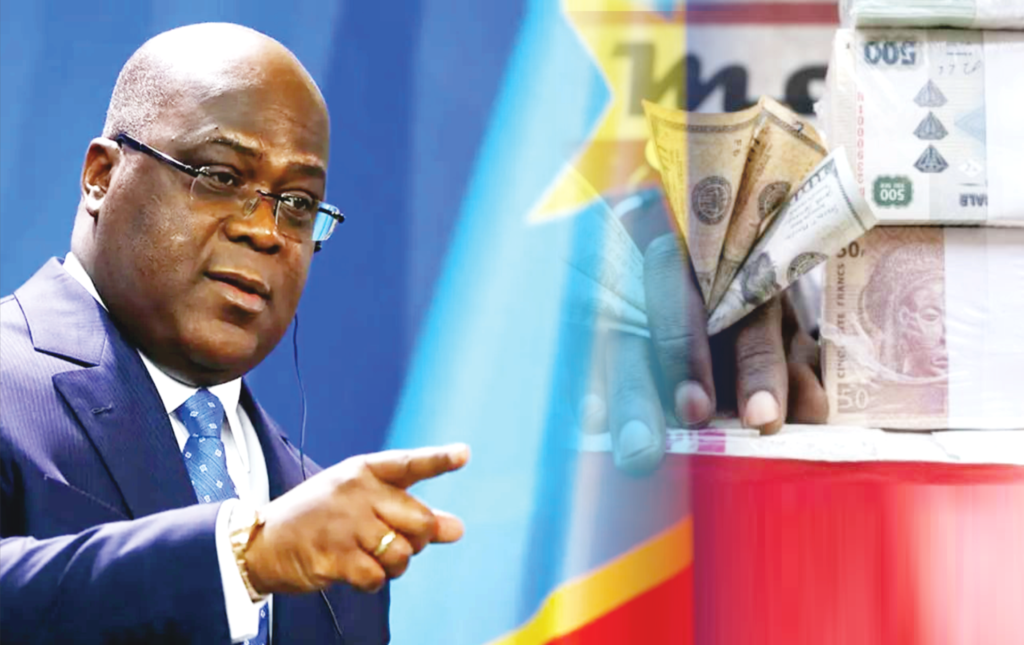
The government of the Democratic Republic of the Congo has launched one of its most ambitious monetary reforms in decades, announcing that physical foreign currency cash transactions will be phased out by April 2027 as authorities seek to restore confidence in the Congolese franc, strengthen financial oversight and reduce the country’s long-standing dependence on the U.S. dollar.
The policy, introduced by the Central Bank of the Congo, marks a significant shift in the country’s economic direction. Under the new framework, commercial banks will no longer be permitted to import physical foreign banknotes, while foreign exchange transactions will progressively be conducted through electronic banking channels instead of cash.
Regarding the views of government officials, the reform is about more than changing how people pay. It is an effort to rebuild monetary sovereignty after decades during which the U.S. dollar became the preferred currency for businesses, households and traders following the country’s severe hyperinflation of the 1990s.

Economists say the widespread use of foreign currencies has limited the government’s ability to effectively implement monetary policy, control inflation and protect the value of the national currency. By encouraging greater use of the Congolese franc, authorities hope to improve financial stability, deepen the formal banking system and strengthen the country’s capacity to manage its economy.
The reform is also expected to support the government’s broader campaign against money laundering, illicit financial flows and terrorism financing. Restricting physical foreign currency circulation could make it easier for regulators to monitor transactions, improve transparency and help the country meet international financial compliance standards as it seeks to exit the Financial Action Task Force (FATF) grey list.

Away from financial regulation, government officials believe the policy could encourage greater digital payment adoption, expand banking services to more citizens and increase tax compliance by reducing unrecorded cash transactions that dominate much of the informal economy.
However, while the government’s objectives are widely viewed as economically strategic, implementation presents enormous challenges, particularly for ordinary citizens and small businesses that continue to rely heavily on cash.
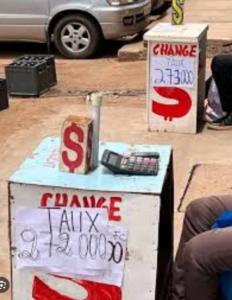
Across markets in cities and rural communities, traders routinely buy and sell goods using U.S. dollars because they consider the currency more stable than the Congolese franc. Many retailers fear that forcing transactions into electronic channels could increase operating costs through transfer charges and banking fees, reducing already thin profit margins.
Small importers and cross-border traders also worry about obtaining foreign currency for purchases from neighbouring countries. With commercial banks prohibited from importing physical foreign banknotes, businesses that depend on cash settlements may face new constraints that could slow regional trade.
Another major concern is exchange rate volatility. Merchants who receive payments in Congolese francs risk losing purchasing power if the local currency weakens before they can convert earnings into foreign currency to replenish inventory. To millions of Congolese working in the informal sector, where banking penetration remains relatively low and cash remains the backbone of daily commerce, adapting to electronic payment systems may prove difficult without significant investment in digital infrastructure, reliable electricity, internet connectivity and accessible financial services.


Analysts note that the success of the reform will depend not only on strict enforcement but also on rebuilding public trust in the national currency. Previous efforts to reduce dollarisation have struggled because many citizens continued to view the U.S. dollar as a safer store of value during periods of currency depreciation.
Earlier initiatives, which include tech-measures introduced between 2012 and 2013, requiring certain government transactions to be conducted in Congolese francs, as well as a 2024 directive requiring point-of-sale (POS) terminals to process payments only in the local currency, produced limited results. While electronic franc transactions increased modestly, cash-based trade remained overwhelmingly dollarised, particularly within the country’s vast informal economy. Today, a substantial share of deposits and loans within the banking system, remains denominated in foreign currency, reflecting persistent public caution over the long-term stability of the franc.

Economic observers say the latest reform represents the country’s most comprehensive attempt yet to reclaim monetary control. If supported by sustained macroeconomic stability, improved banking services and stronger digital payment infrastructure, the policy could gradually strengthen the Congolese franc, broaden financial inclusion and improve government revenue collection.
But they caution that without stable inflation, reliable banking access and continued public confidence, businesses and consumers may continue to seek alternatives outside the formal financial system, making the road to de-dollarisation far more challenging than the policy itself.