
Kenya’s ‘Citizens-First’ Economic Policy, Crackdowns on Foreign-Owned Businesses
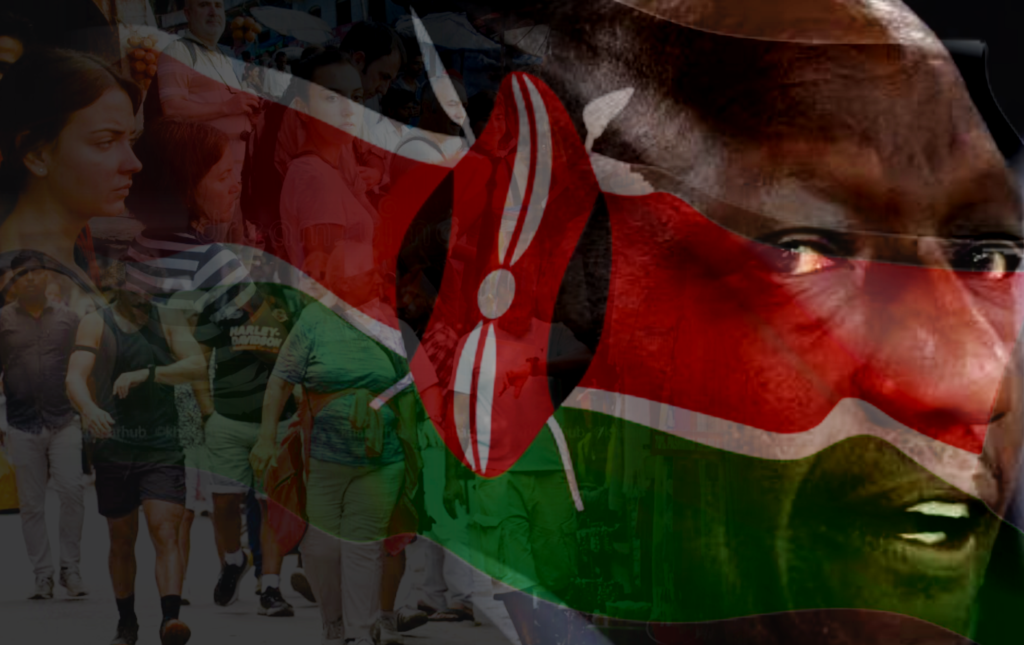
Kenya’s move to restrict foreign participation in parts of the micro, small, and medium-sized enterprise sector is reigniting a broader debate across Africa over local economic empowerment, employment, and the role of foreign investment.
The Kenyan government has moved to tighten restrictions on foreign nationals operating micro, small, and medium-sized enterprises (MSMEs), in a policy aimed at protecting local businesses and expanding economic opportunities for Kenyan citizens.
President William Ruto’s administration has directed foreign-owned businesses operating in certain small-scale sectors to cease operations, as the government moves to draw a clearer distinction between businesses considered appropriate for foreign investment and those it believes should be reserved for Kenyan entrepreneurs.
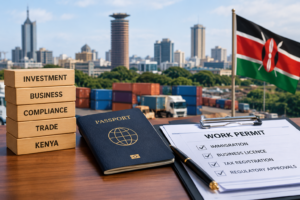

Supporters of the policy have welcomed the move, arguing that foreign investment should complement domestic enterprise rather than compete directly with local businesses in sectors that can be sustained by Kenyan entrepreneurs.
The policy, however, raises a broader question: what economic problem is Kenya ultimately trying to solve?
Kenya’s informal and small-business sectors have long served as an economic safety net for millions of people, particularly young Kenyans seeking income and employment outside the formal labor market. The increasing presence of foreign traders and business operators, including migrants from other African countries and Chinese nationals, has intensified concerns among some local entrepreneurs who believe they are being squeezed out of markets that should provide opportunities for citizens.
The issue is not unique to Kenya. Across Africa, governments are increasingly reassessing the extent to which foreign nationals should be permitted to participate in small-scale commercial activities. In 2025, Tanzania introduced restrictions barring foreign nationals from operating in 15 categories of businesses. Gabon, Botswana, and Ghana have also adopted varying forms of citizen-priority policies, reflecting a growing political and economic preference for local participation in domestic commerce.

While the objectives may appear straightforward, the policy choices present a more complicated question about the relationship between business ownership, employment, and economic inclusion. As for Kenyans, one of the critical issues will be whether protecting local ownership necessarily translates into greater employment for Kenyan citizens.
The government is also considering legislation aimed at strengthening local content requirements, including provisions that would give Kenyan citizens greater consideration in employment opportunities. The intention is to ensure that economic activity generated within the country translates into jobs and opportunities for its citizens.
This creates an important policy tension. Small and medium-sized businesses are significant employers in most African economies. If restrictions on foreign-owned enterprises result in the closure or relocation of businesses that employ Kenyan workers, the immediate gains in local business ownership could potentially be accompanied by employment losses.


The question, therefore, is not simply whether a business is owned by a Kenyan or a foreign national. It is also whether that business creates jobs, develops skills, pays taxes, supports local suppliers, and contributes to the wider economy. This distinction will become increasingly important as African governments pursue citizen-first economic policies.
There is a legitimate case for protecting sectors in which local entrepreneurs have the capacity to compete. Foreign capital should not necessarily be allowed to displace citizens from economic activities that can be effectively undertaken domestically. At the same time, restrictions that are too broad could discourage investment, reduce competition, and unintentionally affect the very workers and consumers the policies are intended to protect.
Kenya’s experience could therefore become an important case study for other African economies pursuing similar policies.
The long-term question is whether these measures will create a stronger ecosystem for Kenyan entrepreneurship or simply transfer business ownership without addressing the deeper structural challenges of unemployment, access to capital, skills development, and productivity.
There is also a broader issue that governments across the continent will need to confront: are these policies fundamentally about immigration management, economic protectionism, or employment creation?
If the primary concern is immigration, governments may need stronger enforcement of immigration and business-registration regulations. If the concern is economic exclusion, the response may require greater access to finance, skills, markets, and infrastructure for local entrepreneurs, and if the central objective is employment, policymakers will need to measure success not only by how many businesses are owned by citizens but also by how many sustainable jobs are created.


A citizen-first economy cannot be measured solely by the nationality of business owners. Its success ultimately depends on whether citizens have meaningful access to capital, enterprise, employment, and economic opportunity.
Kenya’s latest policy direction may therefore be about more than foreign-owned businesses. It is part of a larger African debate over who gets to participate in the continent’s rapidly evolving economies, and perhaps more importantly, whether protecting citizens from competition is enough to make them economically competitive.