
Nigeria’s Purchasing Manager’s Index Climbs to 56.4 in November: Indicating Broad-Based Growth and Rising Economic Confidence

Nigeria’s economy continued to gather pace in November 2025 as the Purchasing Managers’ Index (PMI) rose to 56.4, up from 55.4 in October, according to new data from the Central Bank of Nigeria (CBN). The latest reading marks the twelfth straight month of expansion, reinforcing a sense of cautious optimism across boardrooms, factory floors and markets nationwide.
The PMI is derived from monthly surveys of purchasing and supply-chain managers, which acts as an early pulse check on the economy. Readings above 50, signal that businesses are expanding. In practice, this means managers are seeing more new orders, increasing output, hiring staff and receiving supplies faster than before. A combination that often shows up in improved economic activity before GDP figures are released.

A slow return of confidence from the human and social dimensions: apart from the numbers, the upward trend is beginning to reflect in people’s daily economic experiences. Businesses in manufacturing and services report a gradual improving customer demand, helped by a slight easing of supply bottlenecks and more stable foreign-exchange conditions. As for workers, the expansion in the employment index (54.4), suggests more firms are taking on staff, a sign that job opportunities may be inching upward after months of cost pressures.
In rural communities, the Agriculture sector’s sixteenth consecutive month of expansion is particularly significant. More active farming seasons and better movement of goods are giving smallholder farmers a productivity boost. Improved supplier delivery times are now at 55.6 points. Meaning, inputs like fertilizer, packaging and basic farming tools are arriving more reliably, helping farmers plan better and reduce losses.
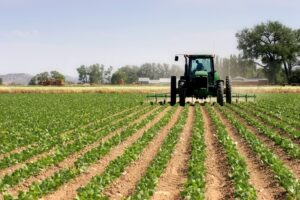
With respect to households, these trends can translate into slightly steadier prices and improved product availability, though high inflation remains a barrier to widespread relief.
Sectoral momentum and what it says about the economy. All major sectors such as industry, services, and agriculture, expanded in November. Pointing to a broad-based recovery rather than growth concentrated in a few pockets. Of the 36 subsectors monitored, 29 recorded expansion, with water supply, sewage/waste management showing the strongest improvement.

Key indicators of economic activity also posted strong performances: Output – 59.1, New Orders – 56.7 and Raw Materials Inventory – 54.3. These figures suggest that firms are not only producing more but also preparing for future demand, an encouraging sign for the months ahead.
The political and policy context casing government efforts under the spotlight. The PMI’s steady rise gives the government a useful talking point as it works to reassure investors and citizens that economic reforms, particularly around FX management, fiscal discipline and industrial support, are starting to deliver results. The stabilisation in foreign-exchange flows and improvements in supply-chain conditions hint that some policy efforts are gaining traction.


However, analysts caution that maintaining this upward momentum will require political consistency and stronger coordination between monetary and fiscal authorities, especially in managing inflation. Security challenges in parts of the North and Middle Belt remain a significant threat to agricultural output. Any deterioration could quickly reverse recent gains.
If current indicators hold, Nigeria could see stronger GDP performance in Q4 2025 and into early 2026. In the minds of many citizens, this could mean more stable prices, improved business activity, ushering a gradual return of economic confidence. But sustaining the gains will hinge on the government’s ability to tackle inflation, support local production and secure vulnerable food-producing regions.

In the meantime, the November PMI offers a rare bright spot, a sign that despite persistent economic pressures, Nigerian businesses are beginning to breathe a little easier, while many are cautiously looking to the future with renewed optimism.