
Netanyahu Petitions for Presidential Clemency: Argues His Corruption Trial Disrupts Israel’s Governing Stability
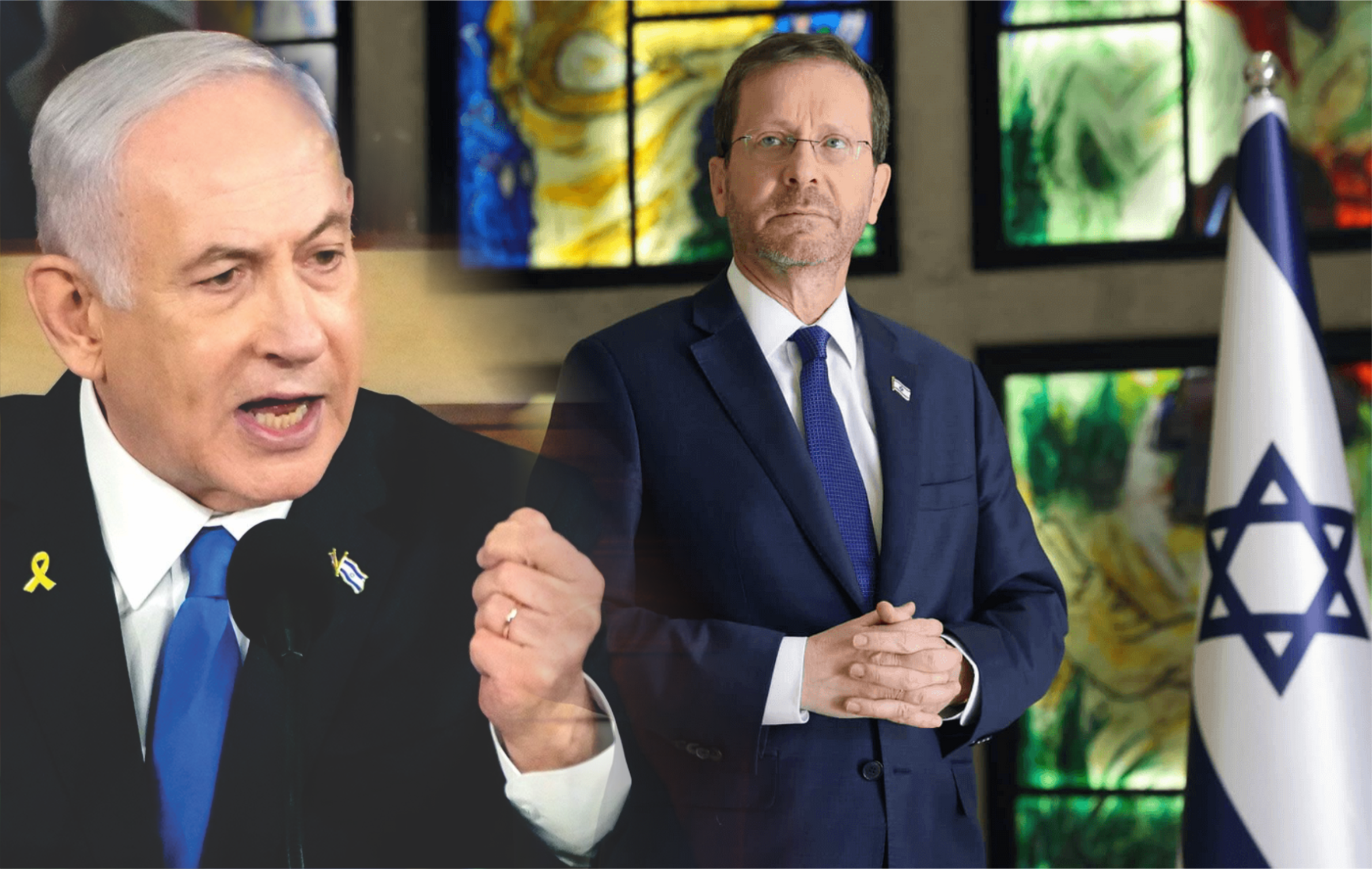
Israeli Prime Minister Benjamin Netanyahu has taken the extraordinary step of formally petitioning President Isaac Herzog for a presidential pardon, arguing that the corruption trial shadowing him for years has grown into a national burden that is straining Israel’s political system and eroding public confidence.
Netanyahu, Israel’s longest-serving and among its most divisive leaders, suggested that the case has evolved far beyond a personal legal fight. In the petition submitted by his attorneys, he contends that the trial is now inhibiting his ability to govern effectively at a moment when Israel faces deep internal and external pressure. The lawyers wrote that halting the proceedings could release the country from a state of prolonged paralysis, ease partisan tensions and begin to repair trust in state institutions.
The prime minister has not admitted guilt as part of the request. He continues to reject allegations of bribery, fraud and breach of trust, insisting that the trial, which is spanning five years of testimony, media scrutiny and political upheaval, is fundamentally flawed. Netanyahu maintains that if allowed to continue to its conclusion, the process would vindicate him fully. Still, the accelerating pace of court appearances, financial strain, and political fallout have intensified pressure on his already fragile coalition.
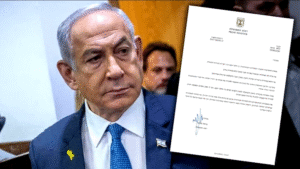
In a video released by the Likud party, Netanyahu framed the pardon request not as capitulation but as a leadership choice. “My lawyers sent a request for pardon to the president today”, he declared. “I expect that anyone who wishes for the good of the country support this step”. The message is a direct, urgent and calibrated one, for a deeply polarized public. Which suggested a leader is attempting to elevate the conversation above his personal fate, towards what he argues to be a national necessity.
The move set off an immediate political storm. Supporters insist that the trial has morphed into a spectacle that drains Israel’s political bandwidth at a time when unity is urgently needed. They argue that a pardon could allow the government to refocus on pressing security, economic, and diplomatic challenges rather than being consumed by legal drama.
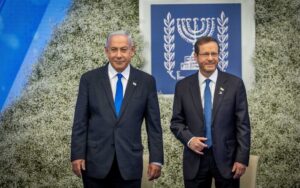
Critics, however, warn that granting a pardon to a sitting prime minister under active indictment would strike at the heart of Israel’s democratic norms. They fear it would weaken judicial independence, communicate that senior leaders can evade accountability, and sow deeper cynicism in a society already grappling with questions of fairness and the rule of law. For these opponents, the stakes extend beyond Netanyahu to the principles that define Israeli governance.
Adding an international twist, US President Donald Trump weighed in with a letter to Herzog, encouraging him to consider the pardon, characterizing the case as politically motivated and unjust. The intervention highlights how Netanyahu’s legal battle, much like his tenure, has become interwoven with broader geopolitical dynamics and personalities.
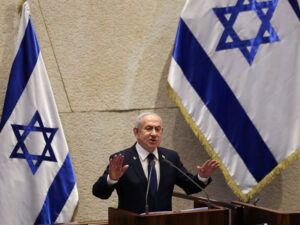
The request will now move through the Justice Ministry’s pardons department before reaching the president’s legal adviser, who will issue a formal recommendation. Ultimately, the decision rests with Herzog, who must navigate not only the legal and constitutional implications but also the profound public emotions tied to Netanyahu’s fate.
In respect to many Israelis, the case has long been a mirror, reflecting the country’s debates about power, justice and the expectations, placed on those who lead. Netanyahu’s pardon request forces Israelis to confront uncomfortable questions such as: can a nation prioritize stability without compromising accountability? What does justice look like when the accused is also the most influential political figure of a generation? And can one who retains a loyal base not be convinced he is the target of political persecution?
After half a decade of legal proceedings, political brinkmanship, and social division, the country now faces a decision that is at once deeply personal and unmistakably national. Whatever Herzog chooses, will reverberate across Israel’s political landscape, shaping Netanyahu’s legacy and also the public’s faith in the institutions meant to safeguard the country’s democracy.