
Uganda Cancer Institute Warns of Sharp Rise in Prostate Cancer Across Uganda, Urges Men to Embrace Early Screening
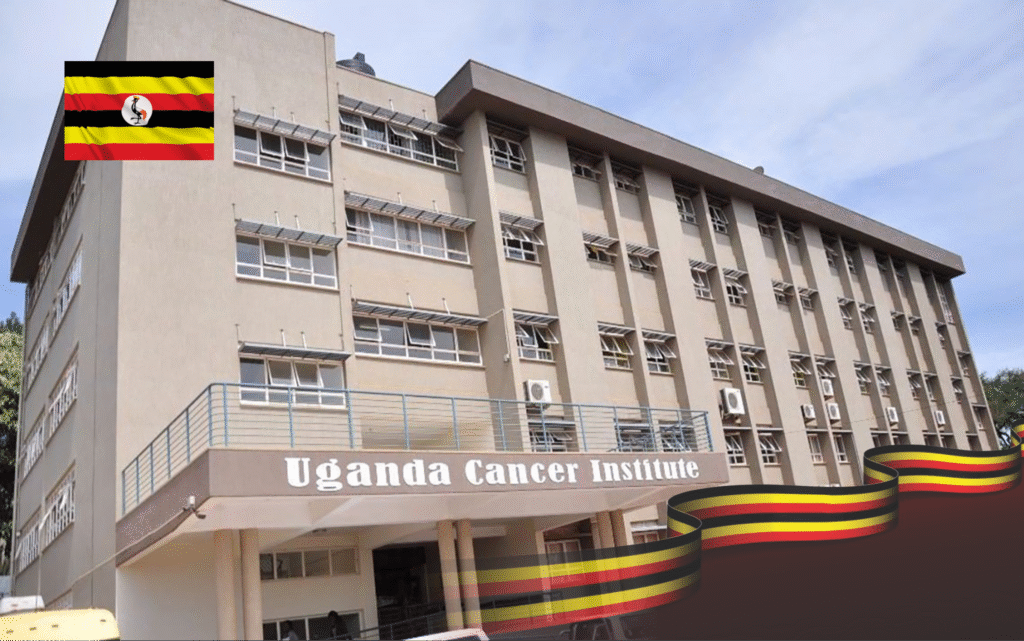
The Uganda Cancer Institute (UCI) has issued a heightened national alert over a surge in prostate cancer cases, which is now the most frequently diagnosed cancer among Ugandan men and a major driver of cancer-related deaths. Health experts say the trend is not only a medical challenge but a social and political one, touching families, workplaces and already-strained health systems.
Speaking at a media briefing at the Uganda Media Centre, Dr. Fred Okuku, a consultant oncologist at UCI, painted a sobering picture of a disease that is advancing faster than public awareness. He described prostate cancer as an “escalating public health threat”, worsened by late diagnosis, cultural misconceptions and the stigma that often accompanies men’s health issues.

Dr. Okuku said “prostate cancer remains the most common cancer diagnosis among men and a major contributor to cancer fatalities nationwide”, noting that the majority of patients arrive for treatment when the disease has already spread.
Health workers point to a web of reasons behind these delays: limited knowledge about symptoms, fear of medical procedures, and deeply rooted beliefs that discourage men from discussing or prioritizing their health. In many communities, care-seeking is still viewed as a sign of weakness, a perception that puts thousands at risk.

Yet experts insist that prostate cancer is among the most treatable cancers when detected early. The Prostate-Specific Antigen (PSA) blood test is simple, affordable and widely available. It can flag abnormalities long before symptoms appear. Dr. Okuku urged all men aged 45 and above to undergo annual screening, while those with a family history of prostate, breast or related cancers should start even earlier.
Away from the medical advice, public health advocates say early screening has broader societal benefits: it protects family livelihoods, reduces long-term treatment costs and eases the burden on Uganda’s overstretched oncology services. Preventing late-stage disease means fewer hospital admissions, less economic disruption and more men able to remain active in their homes and communities.

But late presentation remains the norm. Many men seek help only when severe symptoms set in, such as difficulty in urinating, blood in urine or semen, or persistent pain in the pelvic or lower back area, by which time treatment becomes more complex, costly and less effective. Other warning signs include frequent urination, sudden urges, straining or a weak urine stream.
The rising national caseload places renewed pressure on policymakers. Health advocates are pushing for stronger government investment in screening programmes, rural health outreach and public education campaigns aimed at normalising men’s health conversations. They argue that combating prostate cancer requires not only medical action but dismantling social stigma and ensuring equitable access to screening across both urban and hard-to-reach communities.

As the UCI continues to expand services, Dr. Okuku emphasised that the greatest tool is still awareness. “Early detection saves lives. We urge men to come forward before symptoms emerge”, he said. An appeal that now carries growing urgency as prostate cancer tightens its grip across Uganda.