

Scientists Identify Key Chemical that Helps Diamonds Ascent 93 Miles to Earth’s Surface: Carbon Threshold for Diamond-Bearing
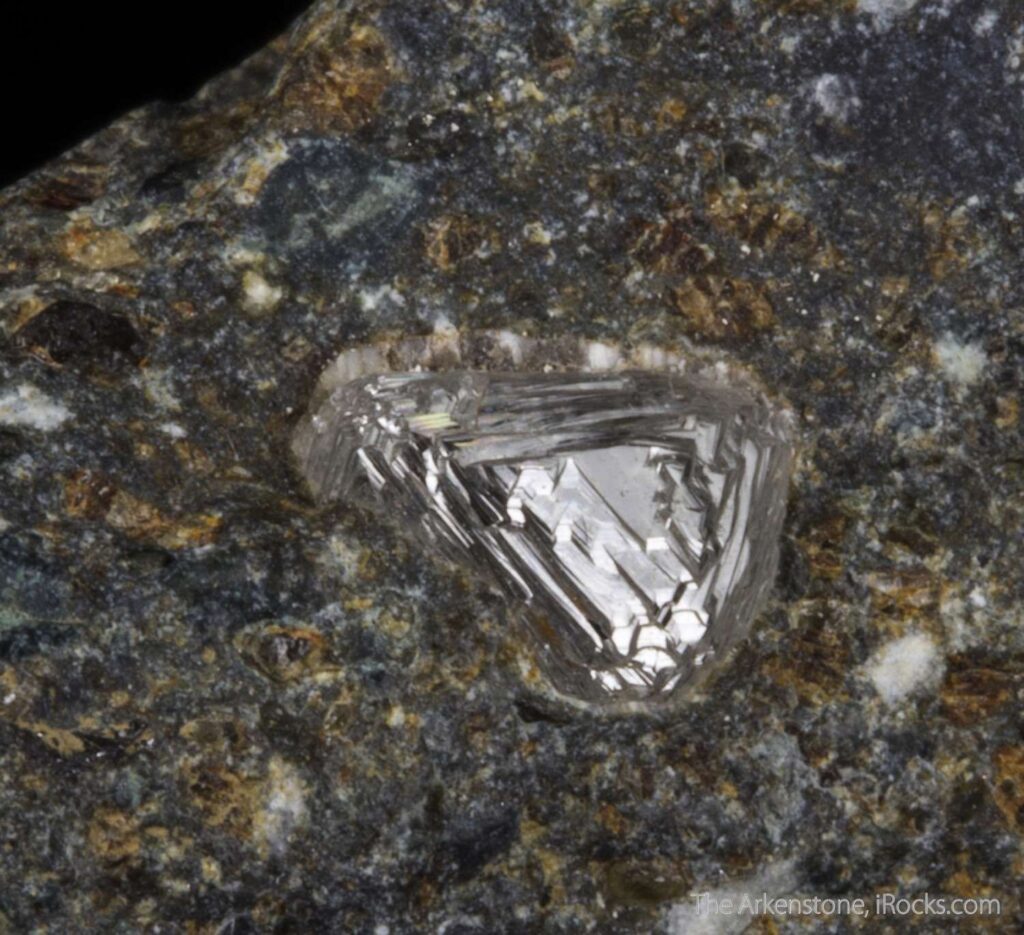
A new scientific model is shedding light on one of Earth’s most dramatic natural deliveries. The violent journey that launches diamonds from the depth of the earth to the surface. Researchers have identified the minimum amount of 8.2 percent carbon dioxide is needed in kimberlite magma, to keep these gems buoyant enough to make the trip intact, to the earth’s surface.
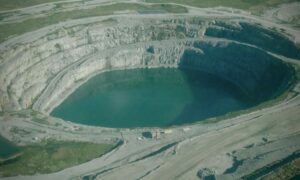
The findings center on the Jericho kimberlite in northern Canada, a pipe that erupted through the ancient Slave craton. Kimberlites are rare magmas that act as geological elevators, racing diamonds upward so quickly from more than 93 miles below, without degrading into soft graphite. The research team, led by Ana Anzulović of the University of Oslo’s Centre for Planetary Habitability, modeled how water and carbon dioxide influence the magma’s lift, revealing why some Kimberlites erupt explosively and others are stall in Earth’s crust.
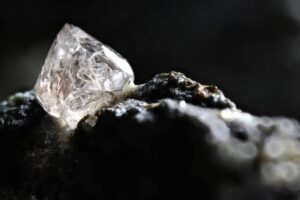
The research work touches on broader economic and cultural themes, farther than mineral science. Diamonds supports a billion-dollar industries in countries across the world, and their origins are entrenched in Earth’s mantle, shaping their symbolic value in human societies from time immemorial. Understanding the cultural-protocol of kimberlite pipes, could influence future exploration, determining where mining companies would invest, and how communities hosting this mineral resource gets impacted in the future.
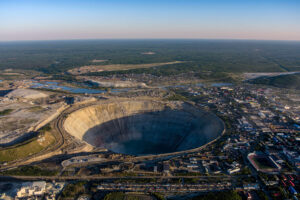
This discovery provides geologists with a new tool for diamond exploration. By understanding the specific chemical requirements for a successful kimberlite eruption, scientists can better predict which ancient volcanic pipes are likely to contain viable diamond deposits. The study was based on modeling the Jericho kimberlite pipe in northern Canada, an area known for its diamond-rich potential.
At the heart of the study is a simple but powerful insight. Without enough dissolved carbon dioxide, kimberlite becomes too dense to break through the crustal boundary known as the Moho. With the right mix, it can carry astonishing loads of mantle rock, up to 44 percent peridotite, along with diamonds and other minerals that are found in Earth’s profound history.
The research also highlights the human story behind the frontiers of science. Anzulović and her colleagues built atom-by-atom simulations to reconstruct how the magma evolves on its ascent. This mirrors a small view of the large scientific process that shape the earth composite in this regard. Their work suggests that water and carbon dioxide play distinct roles. Water keeps the dissolve mobile at depth, while carbon dioxide stiffens the structure and then erupts as gas, delivering the final push to the surface.
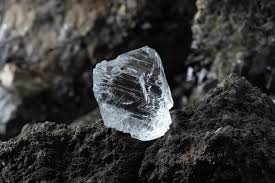
Many of the communities near ancient cratons where this research is hosted, and communities with relative features that characterize this research process, could have sociopolitical implications from the findings in the longrun. Because better predictions about kimberlite conduct, may guide decisions on land use, prospecting rights, the environmental trade-offs that accompany diamond exploration and more. In these regions, balancing geological opportunity with cultural stewardship for ecological preservation, would remain an ongoing negotiation.
The modeling results also touches on the global carbon cycle, showcasing how carbon moves between Earth’s inner structure and its surface. Kimberlites are windows into these processes, offering clues about how carbon has shaped Earth’s climatic geology over billions of years.
With regards to the diamond industry also, the findings provide a new lens for evaluating whether a pipe ever had the right chemistry to erupt, despite the fact that it lacks the crucial carbon dioxide threshold.
As researchers continue to test whether other kimberlites share Jericho’s volatile formula, the work represents a rare bridge between atomic-scale physics and continent-scale eruptions. It also reminds us that gems prized in engagement rings and cultural traditions worldwide, owe their survival to a perfect fleeting combination of chemistry, pressure, speed and forces that have been chemical-actors within earth’s scenario, long before humans ever admired their sparkle.