
Scientists Uncover Vast Lithium Deposit in McDermitt Caldera, Nevada-Oregon: Raising Economic Hopes
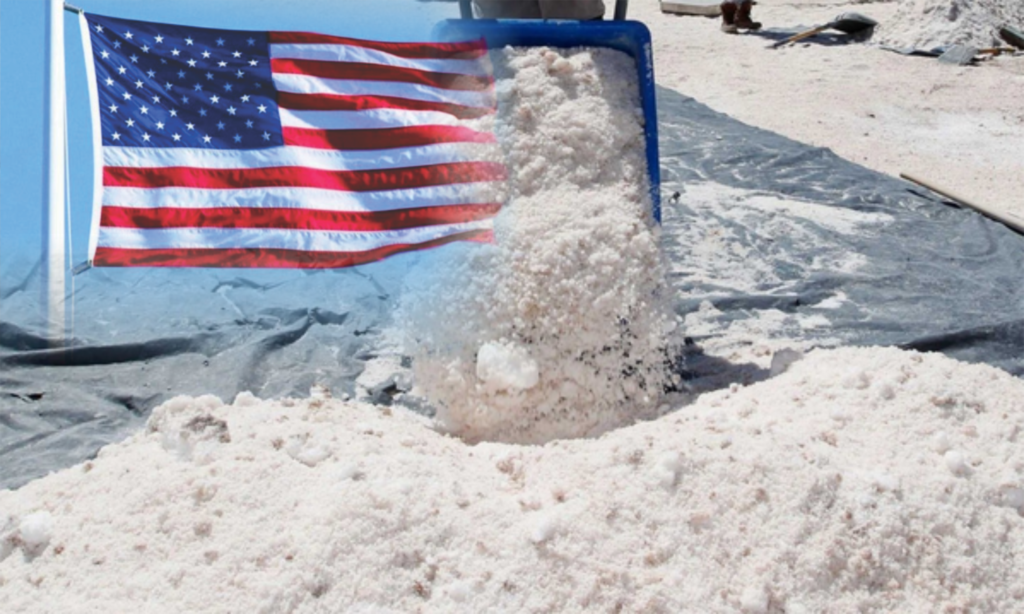
A research team has identified an unusually large concentration of lithium-rich clay inside the McDermitt Caldera, a long-dormant supervolcano straddling the Nevada-Oregon border. Early assessments suggest the area could contain 20-40 million metric tons of lithium-bearing material, placing it among the most significant known deposits in the world.
The findings arrive at a pivotal moment of market demand. Lithium is essential for electric vehicle (EV) batteries, grid-scale energy storage, as electronics consumption is increasingly viewed as a cornerstone of the global clean-energy transition. Analysts warn that global demand could triple by the mid-2030s, intensifying interest in domestic sources that can reduce reliance on foreign supply chains. This is a potential human, political and economic benefits.

If responsibly developed, the McDermitt deposit could reshape the economic landscape of several rural communities in the region. Thousands of jobs could be created during exploration, construction and long-term operation. Local officials have also highlighted the possibility of new investments in infrastructure, better access to healthcare services, expanded educational and vocational programs tied to mining/clean-energy technologies.
As for national administration, the discovery strengthens hopes of building more robust US battery manufacturing community. A locally sourced supply of battery-grade lithium could reduce the cost of EV production, making clean transportation more accessible to lower-income households while accelerating national climate goals.
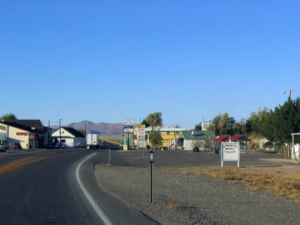
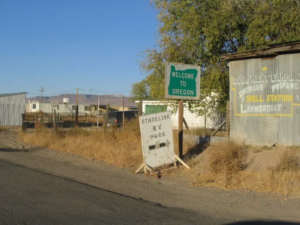
The view of political tensions and policy debates. The scale of the deposit is already prompting political maneuvering. Supporters argue that developing the site is strategically necessary for energy independence and global competitiveness. They point to increasing geopolitical pressure surrounding critical minerals, where nations such as China and Chile currently dominate global supply chains.
Critics also warn that rushing development could create political backlash. Environmental groups and Tribal nations in the region say they have been excluded from meaningful consultations. Some lawmakers have echoed these concerns, calling for stronger federal oversight of mineral permits and clearer protections for culturally sensitive lands.
The issue has become a flashpoint in broader debates over the direction of US climate policy. Advocates for rapid renewable-energy expansion argue that domestic mining is unavoidable. Critics counter that the US must not repeat past mistakes where industrial projects disproportionately harmed rural and indigenous communities. An impact of social and environmental dimensions.
Local residents are divided. Some welcome the promise of economic renewal in areas long affected by unemployment and underinvestment. Others worry about water usage, dust pollution, habitat disruption, and the long-term health impacts associated with large-scale mining. Concerns about land rights and the protection of sacred sites remain especially sensitive for indigenous groups whose ancestral territory overlaps the Caldera.
Experts noted that the project should proceed with transparency and community engagement, anything less could wrongly influence public trust in the future of clean-energy infrastructure development, nationwide. Many argue that equitable development is a moral issue with a practical face, because projects that integrate social needs early, tend to face fewer delays, lawsuits and political obstacles.
While the discovery is scientifically significant and economically promising, it is far from a guarantee of immediate extraction. Additional geological sampling, environmental assessments, and federal/state permitting processes, could take years.
Still, the McDermitt Caldera finding highlights a central scale of the clean-energy era. The world needs more lithium, but society must balance that need with positive environmental stewardship and social responsibility. Whether this deposit becomes a breakthrough for the US energy strategy or another contested mining project, will depend on decisions made in the months and years ahead.