
Africa’s Rare Earth Top Holders: How Tanzania, South Africa and Nigeria Are Shaping a New Strategic Future
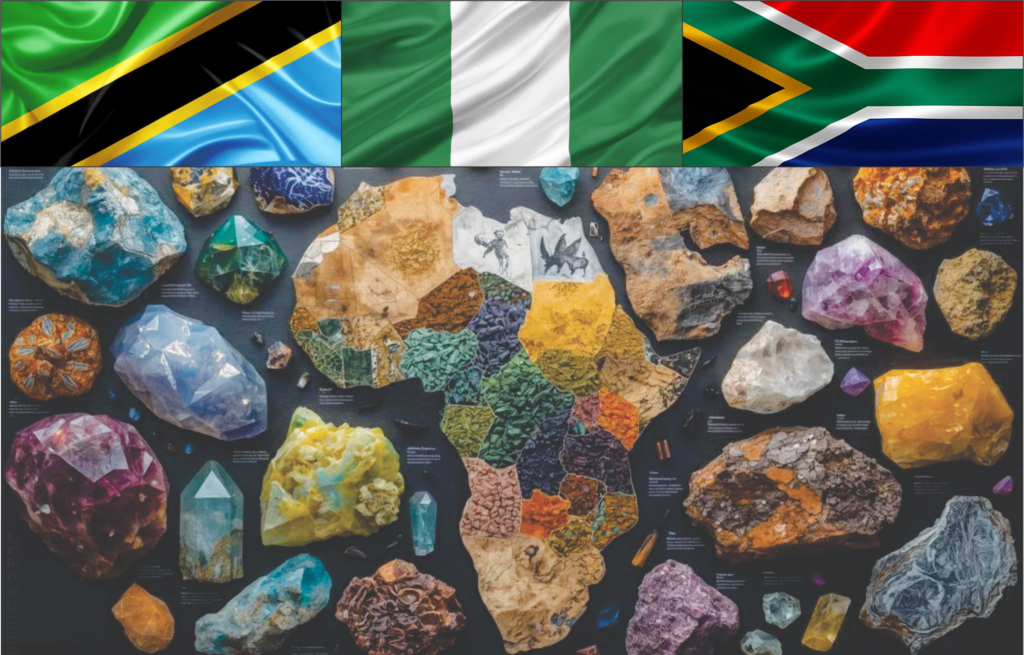
Africa’s rare earth element (REE) landscape is entering a defining moment, as countries with sizeable deposits of these critical minerals position themselves at the center of the global clean-energy transition. Tanzania, South Africa and Nigeria now form the continent’s leading trio, each with distinct geological strengths, political priorities and social stakes.
Tanzania stands at the forefront, boasting roughly 890,000 tonnes of proven reserves and one of the world’s most promising projects: the Ngualla deposit. Long viewed as a sleeping giant, the project is rapidly becoming a cornerstone of Tanzania’s industrial ambitions. The government has woven rare earth development into its broader economic vision, promising jobs in remote regions and new revenue streams that could strengthen the country’s bargaining power in global commodity markets. With respect to the local communities, expanding mining corridor brings hopes of infrastructure upgrades such as roads, electricity and schools, alongside growing conversations about environmental protections and fair distribution of benefits.
South Africa follows closely with about 800,000 tonnes of reserves and a mature mining ecosystem. With advanced projects such as Steenkampskraal, Phalaborwa and Zandkopsdrift, the country is positioning itself as an African processing hub rather than just a supplier of raw ores. Policymakers see REEs as a chance to revive industrial sectors weakened over the past decade and to secure greater autonomy in the technologies spanning electric vehicles, wind turbines, medical imaging, etc. that depend on these minerals. Yet the social conversation remains complex, showing mining communities are demanding stronger safeguards; and political debates continue around how new wealth should be shared in a country still grappling with inequality.
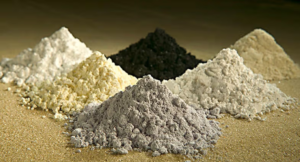
Nigeria, while less quantified in its reserve estimates, is emerging as a quiet contender. Its deposits are significant enough to draw growing exploration interest, especially in central states with long mining histories. The government views rare earths as an opportunity to diversify away from oil, attract foreign investment, and create jobs in regions affected by economic stagnation. However, Nigeria’s challenge lies in building the regulatory clarity and infrastructure needed to turn the potential into production. Social benefits, from training programs to regional development funds, are being discussed, as stakeholders push to avoid the pitfalls that have haunted extractive industries in the past.
Aside the big three, countries such as Malawi, Madagascar and Burundi are also gaining traction as exploration intensifies. Their involvement features a broader shift that Africa is becoming increasingly central to the global supply of the materials that power modern technology.
As governments negotiate partnerships and communities weigh the risks and rewards, the development of Africa’s rare earth sector is evolving into more than a mineral story. It is becoming a political, economic and social balancing act. If managed transparently and sustainably, the continent’s REE wealth could expand regional integration, spur industrialization and elevate Africa’s voice in the geopolitics of critical minerals.