
Kenya’s Maritime Wake-Up Call: The National Costs of Losing IMO Council’s Seat

Kenya’s defeat in the recent International Maritime Organization (IMO) elections on November 28 is more than a diplomatic disappointment. It is a stark warning about the real stakes of maritime diplomacy for the nation’s economy, jobs and regional influence. After years of maintaining a presence on the IMO Council, Kenya has been ousted, with Nigeria and South Africa taking the coveted Category C seats.
This is not just about prestige. Council membership provides a platform to shape the rules that govern global shipping, influence the regulatory framework for ports and shipping companies, and gain early access to technical support and capacity-building programs. Without it, Kenya will have to implement standards crafted elsewhere, with limited say in their design. A scenario with direct consequences for the Port of Mombasa, local shipping operators and the thousands of workers whose livelihoods depend on maritime trade.
The election outcome exposes uncomfortable truths about international institutions. While Category-C seats are formally allocated based on special maritime interests or geographic balance, winning requires sustained diplomatic engagement, demonstrated technical leadership, and coalition-building across regions. Secret ballots mean countries vote based on relationships, perceived value and promises made behind the scenes. A realpolitiking that Kenya underestimated.

Nigeria and South Africa came prepared. Nigeria leveraged its economic weight and oil-driven shipping volumes, while South Africa highlighted its control of key shipping lanes and expertise in maritime security and environmental sustainability. Both invested heavily in diplomacy, sending high-level delegations months ahead of the vote. Kenya, by contrast, may have relied too heavily on the regional importance of Mombasa and its prior council tenure, assumptions that proved insufficient.
The timing of this loss compounds its impact. The IMO is grappling with decarbonization frameworks that will redefine global shipping economics for decades. Compliance costs, port operations, and shipping routes will all be shaped by these decisions. Without a council seat, Kenya risks being a rule-follower rather than a rule-shaper, adjusting its policies after obligations are imposed rather than helping to set them. This could slow investments, hinder green infrastructure initiatives, and limit opportunities for local businesses in emerging sustainable shipping markets.
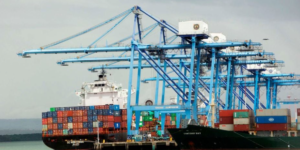
The human dimension cannot be overstated. Thousands of Kenyans employed in port operations, logistics, and shipping services stand to feel the ripple effects of reduced influence. Delays in accessing technical programs, modernizing port infrastructure, or receiving training on new maritime standards can translate into lost jobs, slowed economic growth, and diminished competitiveness in East Africa’s fast-growing maritime sector.
Recovering from this setback requires a strategic rethink. Kenya must treat maritime diplomacy with the same seriousness as trade, security, or foreign relations. A dedicated maritime diplomatic corps, year-round engagement with IMO committees, and active participation in technical discussions are critical. Kenya can learn from smaller but highly effective maritime nations like Malta, Singapore, and Cyprus, which maintain influence through expertise, innovation, and consistent contributions.
Domestic action must align with international ambitions. Green port initiatives at Mombasa, investment in shore power, and alternative fuel infrastructure would signal Kenya’s commitment to the IMO’s decarbonization agenda, transforming us from followers into pioneers. This approach demonstrates that Kenya seeks council membership not for prestige but to add tangible value to global maritime governance.
Equally important is regional cooperation. The rise of Nigeria and South Africa at Kenya’s expense reveals the fragmented state of African maritime strategy. A coordinated Pan-African approach to the IMO would amplify the continent’s influence, ensuring that collective interests like jobs, trade and sustainable port development, take precedence over individual competition.
The loss is painful, but it is not permanent. Category C elections occur every two years, giving Kenya an opportunity to reclaim its seat. Doing so will require sustained effort, strategic investment, and a recognition that influence in international institutions is earned through consistent engagement, technical contribution, and regional collaboration.
The stakes go past diplomatic pride for Kenya. They touch the livelihoods of port workers, the competitiveness of our shipping sector, and the country’s role in shaping the future of global trade. This wake-up call demands decisive action, or the nation risks drifting from the very routes that sustain its economy and connect it to the world.