
AfDB Programme Transforms Fisheries, Lifting Millions Across Southern Africa
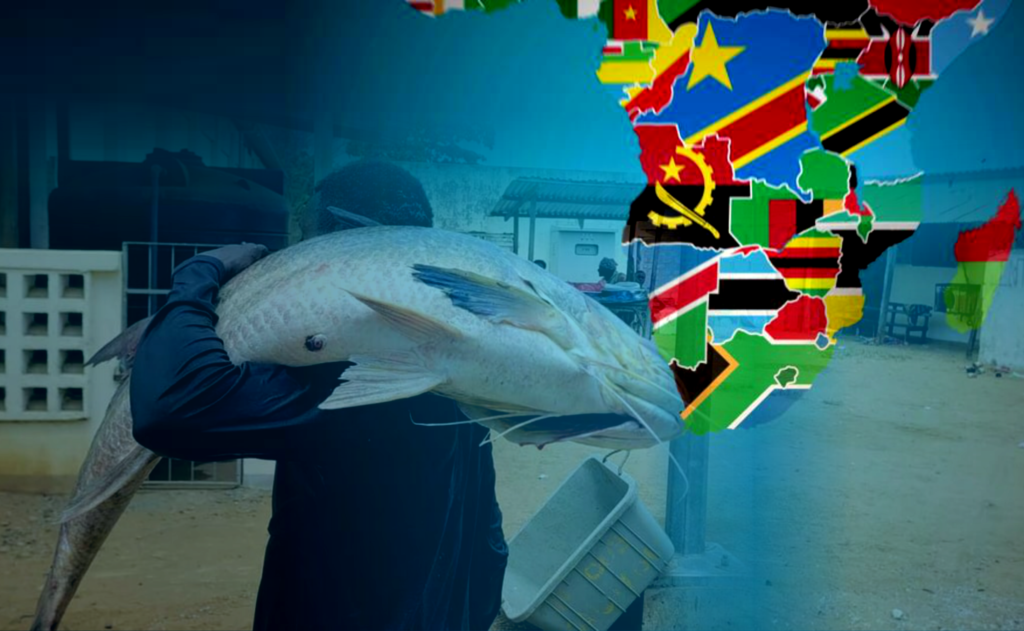
A sweeping fisheries initiative backed by the African Development Bank Group is reshaping livelihoods, strengthening regional ties, and accelerating economic transformation across 16 Southern African Development Community (SADC) countries. The $9.2 million PROFISHBLUE programme has pushed cross-border fish trade beyond 500,000 tonnes, while directly and indirectly benefiting nearly three million people since 2022.
Launched to improve governance of aquatic resources and build sustainable blue-economy trade corridors, the Programme for Improving Fisheries Governance and Blue Economy Trade Corridors (PROFISHBLUE) is now driving healthier diets, stronger rural incomes, and greater climate resilience across Southern Africa.
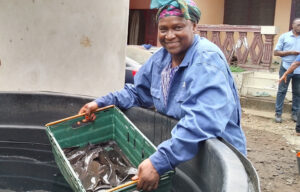
More than 250,000 people, from smallholder fishers to processors, traders, youth entrepreneurs and women-led cooperatives, have received training, equipment, and business support. The programme has introduced cold-chain vehicles, fish-quality assurance tools, and new skills in post-harvest management, empowering communities to reduce losses and raise earnings.
Women have emerged as key beneficiaries, gaining new roles in processing, packaging, and aquaculture. Testimonials showcased during World Fisheries Day in Gaborone highlighted how families are using higher incomes to send children to school, diversify businesses, and improve nutrition.
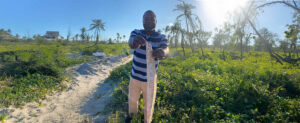
“We embarked on an investment journey that few smallholder entrepreneurs would consider” – said Tanzanian seaweed farmer Hifadhi Hai, celebrating the programme’s support in piloting new technologies. Malawi’s Tamala Mtambo, from the Twiyule Fish Cooperative, added: “ProFishBlue supported us to turn fish processing into progress”.
Away from community impact, PROFISHBLUE is deepening political cooperation within SADC by harmonizing fisheries standards, strengthening customs systems, and promoting coordinated action on transboundary lakes. These efforts support SADC’s broader push for economic integration and shared natural-resource management.
SADC leadership emphasized that the programme demonstrates the region’s ability to govern aquatic food systems at scale. “This support has shown our capacity to improve aquatic food systems for the benefit of over 380 million people” – said Director Domingos Gove, speaking on behalf of SADC Deputy Secretary for Regional Integration, Angele Makombo Ntumba.
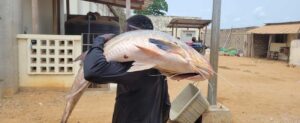
The initiative’s governance work, ranging from vessel monitoring to joint stock assessments, also aligns with member states’ priorities on climate action and sustainable resource use.
The socioeconomic transformation is by increasing fish production, facilitating trade and strengthening quality standards, showcases PROFISHBLUE as building the backbone of a modern regional blue economy. The Aquatic sector is becoming a larger source of rural jobs, supporting food security as climate change disrupts traditional agriculture.
African Development Bank representative Neeraj Vij noted that the programme is helping create competitive value chains that can reduce poverty and stimulate local industry. “Strategic investment in fisheries governance can create jobs and livelihoods while driving down extreme poverty” – he said, reaffirming the Bank’s commitment to expanding blue-economy support across SADC.
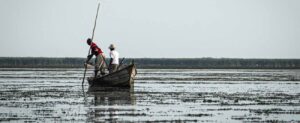
A collaborative model for the future: the initiative brings together several global and regional partners, including FAO, UNIDO, WWF, WorldFish and ARSO, are showcasing the power of multi-agency cooperation. Botswana’s Director of Fisheries and Apiculture, Kagisanyo Bedi, praised the programme for strengthening knowledge-sharing across borders.
As World Fisheries Day celebrations established, stakeholders emphasized that the initiative has become more than a development project to a blueprint for how coordinated action, community participation and targeted financing can unlock opportunity and stability for millions across Southern Africa.
SOURCE: AfDB