
Mining-Mystery of a Nation Suddenly Under Spotlight Due to Enormous Gold Bars Discovery: What Nation is this? Could it be Kyrgyzstan?

They were never supposed to be there. More than a kilometre below an ordinary stretch of countryside, far beneath the hum of commuter traffic and supermarket car parks, miners broke into a space that should not have existed. A hollow thud, a sudden drop in the drill’s resistance, and then the unmistakable glint of finished gold bars. Not raw ore. Not scattered flecks. Wrapped, stacked, stamped. All bearing the same small emblem of a single nation.
In the dim tunnel, the discovery felt unreal. One worker steadied himself against the wall. Another recorded shaky footage, his breath louder than the machinery. Above ground, life continued with its usual routines. Underground, an old secret was surfacing. A hidden room that shouldn’t exist.
The chamber’s clean-cut walls, with ceiling of deliberate geometry, sat like a forgotten vault carved into the rock. Whoever built it understood engineering, concealment and patience. You don’t bury gold this deep without intention.
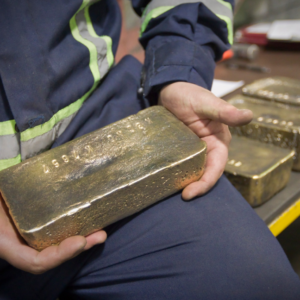
When the news reached the surface, officials moved quickly with unmarked cars. Temporary confiscation of phones happened. A quiet statement describing an anomaly, nothing more aired. It was also muttered off the record that it isn’t an anomaly but a message from the past.
Each bar carried a mint-mark from a small but strategically critical nation that on record, holds modest reserves and has repeatedly told international lenders, it cannot afford more economic strain. The implication is breathtaking. It is either the country hid wealth for decades, or someone diverted national assets into a private vault. Both possibilities carry heavy political cost. Because, treasure buried in silence has become a public question.
To historians, the discovery echoes old stories like gold trains that vanished during war; convoys rerouted in secret; or vaults blasted into mountains to protect wealth from invasion or collapse. While to some economists on the hand, it raises sharper questions like – what does it mean for a nation to plead economic hardship while sitting on unreported reserves? How does such secrecy distort international aid, credit ratings and political trust?
To the ordinary citizens, especially in a country where the symbol on the bars is now front-page news, the reaction is emotional. Talk shows debate who the gold belongs to. Younger voices ask why the wealth wasn’t used during hospital shortages or rolling power cuts. Some said, if leaders hid economic empowerment such as these from us, they hid also did hide our dignity too. These are some human position beneath the social clamor.
Apart from the headlines, the anthropological dimension is silent, but no less important. As for the miners, the find briefly interrupted lives built on routine, such as the morning procession into the mine tunnels before dawn, eating packed lunches underground, returning with dust in their hair. In local towns, the discovery breaths hope towards investment in infrastructure, jobs and community services, if legal battles don’t swallow everything in claims.
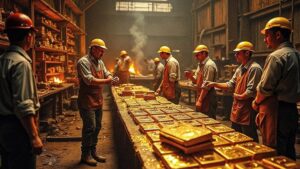
Some see the gold as a chance to repair long-neglected schools and clinics. Others fear it could trigger a scramble among governments, banks and private claimants, leaving the community with nothing but strong restrictions and more fences around the mine. There is a political storm waiting to break lose.
Diplomats now tread delicately. If the gold is confirmed as the nation’s property, its economy could stabilise overnight. If other states claim wartime rights or seized inheritance, the find could spiral into years of litigation. Investors, sensing uncertainty, already adjust their models. Markets may hate mystery. Or even hate buried treasures of no record even more.
Meanwhile, archivists and railway veterans hunt through fading documents and handwritten maps. Each scrap of evidence adds or removes weight from competing interpretations. Their work is unglamorous but vital, because beneath the shine of bullion lies the darker sediment of history that might connote disappearances, emergency decrees, or wealth moved at night during times when fear ruled over law.

What does this underground gold asks of us? We imagine modern secrets live in encrypted drives and cloud servers. Yet a drill-bit cuts into rock and reminds us that power has always preferred what can be locked away, touched, or weighed. The discovery forces a profound reflection of how much of our understanding of national wealth, our trust in public numbers and our sense of shared economic hardship depends on stories that were edited, forgotten, or buried?
At the moment, the gold bars sit behind new concrete walls and extra cameras. Life above continues. buses run, children go to school, miners return to work. But the questions linger, heavy as the metal that sparked them – If this much gold waited decades in the dark, what else lies beneath our feet hidden not by accident, but by choice?