
Jimmy Lai Convicted Under Hong Kong Security Law, Extending Fears Over Press Freedom in China
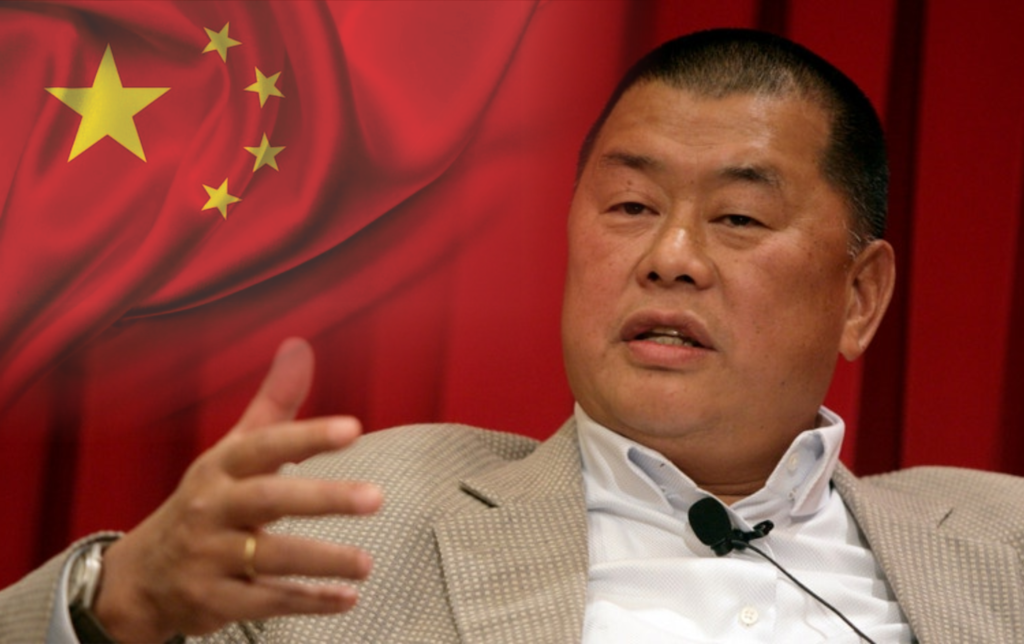
A Hong Kong court’s conviction of media tycoon and pro-democracy campaigner Jimmy Lai has become a defining moment in the city’s political transformation, casting a long shadow over press freedom, civic life, and the future of dissent under Beijing’s rule.
Lai, 78, the outspoken founder of the now-shuttered Apple Daily, was found guilty of conspiracy to collude with foreign forces and sedition under China’s national security law, the most sweeping legislation imposed on Hong Kong since its 1997 handover. The verdict leaves him facing a possible life sentence, with sentencing yet to be scheduled. A pre-sentencing hearing is set for January 12, where his legal team may seek leniency.
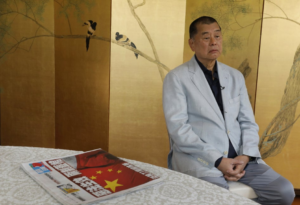
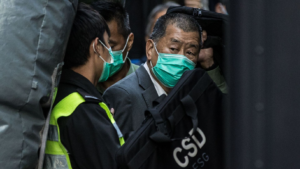
Beyond the courtroom, the case carries heavy human weight. Once a self-made businessman who rose from poverty to build a media empire, Lai has spent nearly five years in detention as multiple cases mounted against him. His family, colleagues, and supporters say his prolonged imprisonment reflects the personal cost of holding dissenting views in a city where political space has sharply narrowed since the 2019 mass protests.
Politically, the conviction underscores how the national security law has reshaped Hong Kong’s governance. Two of the charges fall directly under the law, which criminalizes broadly defined acts of subversion, secession, terrorism, and foreign collusion. Authorities insist the law restores stability and targets only genuine security threats. Critics, however, argue it has become a powerful tool to dismantle opposition, weaken independent media, and redraw the boundaries of acceptable speech.

The ruling has intensified international scrutiny. The United States and Britain condemned the verdict as politically driven, raising concerns about judicial independence in a city once praised for its rule of law. Beijing and the Hong Kong government rejected those claims, saying the trial was fair and that no one is above the law. China’s Foreign Ministry accused foreign governments of smearing Hong Kong’s justice system and interfering in internal affairs.
In delivering the judgment, Justice Esther Toh said Lai had shown hostility toward China and sought foreign sanctions against Hong Kong and the mainland. To his supporters, Lai remains a symbol of resistance and journalistic courage. To Chinese authorities, he represents a destabilizing force tied to foreign interests.

As Hong Kong continues to recalibrate its identity under tighter political controls, Lai’s conviction resonates far beyond one man. It signals a new reality for journalists, activists and ordinary citizens alike, where the line between political expression and criminal liability has become increasingly difficult to see.