
2025 Forbes’ ‘Influence-Chest’ Presents African Women who Disrupt the Norm by Reshaping Leadership Across Business, Politics, Culture and the Creatives.
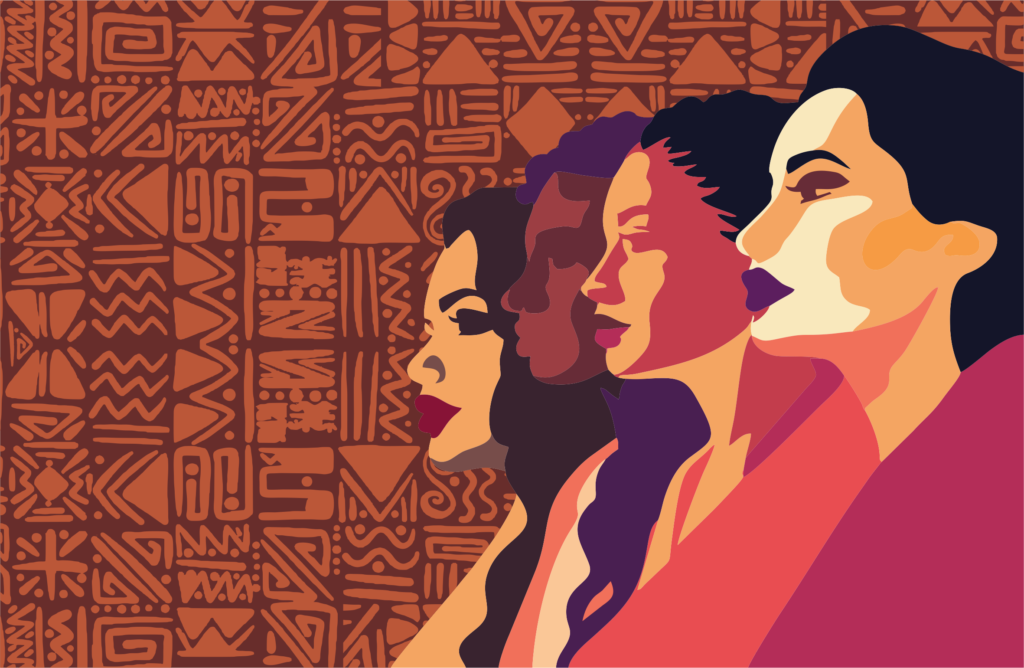
As women’s participation in leadership stalls in many parts of the world, African women are moving decisively in the opposite direction. Forbes’ 2025 list of the world’s 100 most powerful women features six African leaders whose influence spans finance, politics, trade and culture, underscoring a broader shift in how power is being shaped on the continent.
The recognition comes at a moment of global strain for women at work. In the United States alone, nearly 500,000 women left their jobs between January and October 2025, one of the steepest declines on record. McKinsey and Lean In report that only 54% of companies now prioritise promoting women into leadership roles, down sharply from 90% four years ago. The United Nations has also warned that rising online sexism is pushing many women out of public life.

Against this backdrop, the African women named by Forbes are not only breaking glass ceilings but redefining leadership models rooted in resilience, social responsibility and long-term impact.
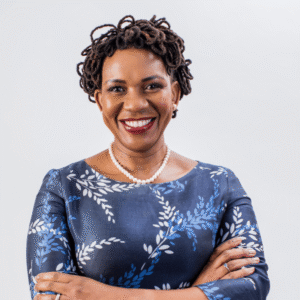
In South Africa, Mary Vilakazi’s appointment as chief executive of FirstRand Group in April 2024 marked a historic moment. As the first woman and first Black woman to lead the country’s most valuable financial-services firm, Vilakazi’s rise reflects both personal discipline and broader changes in corporate governance. Her leadership carries family and social symbolism in a country still grappling with inequality, offering younger women a visible pathway into boardrooms long seen as inaccessible.
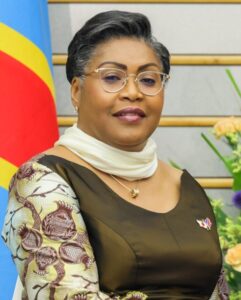
Political power is also shifting. Judith Suminwa Tuluka’s elevation to prime minister in the Democratic Republic of Congo and
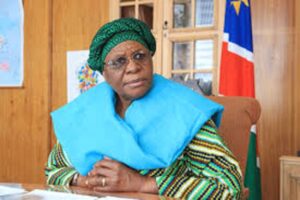
Netumbo Nandi-Ndaitwah’s swearing-in as Namibia’s first female president signal gradual cultural change in male-dominated political systems. Both leaders bring technocratic experience to roles traditionally shaped by patronage, raising expectations around fiscal discipline, social spending and inclusive governance. Their success or failure will likely influence how voters across Africa perceive women as crisis managers and national decision-makers.

In business, Mpumi Madisa’s stewardship of Bidvest, one of South Africa’s largest listed companies, highlights the economic case for diversity. Under her leadership, the group has restored profitability and expanded globally, employing about 130,000 people. Her ascent challenges lingering assumptions that transformation and commercial performance are mutually exclusive.
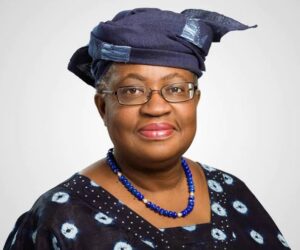
On the global stage, Nigeria’s Ngozi Okonjo-Iweala continues to shape international trade as director-general of the World Trade Organization. Her reappointment in 2024 reinforced Africa’s growing voice in global economic rule-making at a time of rising protectionism.
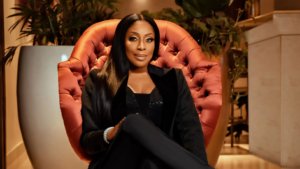
Cultural influence is equally significant. Media entrepreneur Mo Abudu has turned African storytelling into a global business, launching a US$50 million Afro Film Fund in 2025 and expanding EbonyLife into the UK. Her work reflects a social shift in how African identities are represented and monetised, with ripple effects for jobs, soft power and cultural confidence.
Together, these women illustrate that African leadership today is not confined to politics or profit alone. It is about reshaping institutions, challenging social norms and expanding what is possible for the next generation, at a time when much of the world appears to be moving backwards.