
Madagascar’s Economic Ambition meets Ancestral Heritage: Infrastructural Development Against Traditional Farming
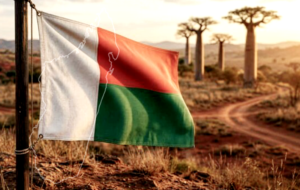
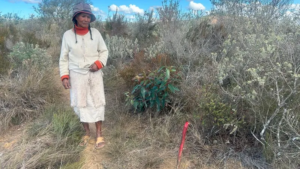
A red wooden post driven into the earth on the edge of Ambohidava village is easy to miss. Yet for the 500 people who live here, it signals a future that could upend generations of rural life.
On a quiet Thursday afternoon, the sounds are familiar: crowing cockerels, a motorbike sputtering past red-soil homes. But if plans proceed, this calm settlement east of Madagascar’s capital, Antananarivo, may disappear within two years, replaced by a two-lane toll highway linking the capital to Toamasina, the country’s main port and second city. The road represents speed, trade and growth for Madagascar’s the government. While to villagers like Neny Fara, it threatens the land that has sustained her family for decades.
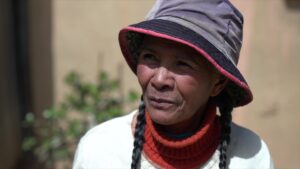
Now 70, Neny Fara has lived in Ambohidava all her life. She began working the rice paddies and pineapple fields at the age of four, following a lineage of farmers stretching back generations. Small in stature and quick to smile, she welcomes visitors into her modest home, serving chicken and rice prepared the Malagasy way. Farming, she says, has paid for everything like food, shelter and care for her family, including a son unable to work because of mental health challenges. But the planned route cuts directly through her fields. “It hurts me. I feel like I’ve been stabbed in the back. This land has always been ours. No one has come to explain what will happen”. she says, standing at the edge of her rice paddy.
Her fear is shared across the area. Farmers say they have not been consulted and that no compensation packages have been clearly outlined. Authorities insist compensation will be paid within a year of construction, but uncertainty has left families anxious about where they will live and how they will earn a living if their land is taken.
The project was commissioned by former president Andry Rajoelina, who inaugurated the first eight kilometres of the highway during a regional summit in August. He was later removed from office in a coup, but the new government has pledged to continue the project, framing it as central to national development.
Built by Egyptian firm Sancrete, the highway is expected to stretch 260km, with tolls of about $4 for cars and $5 for lorries. Around 20% of the estimated $1bn cost will be funded by the state, with the rest coming from international partners, including the Arab Bank for Economic Development in Africa.
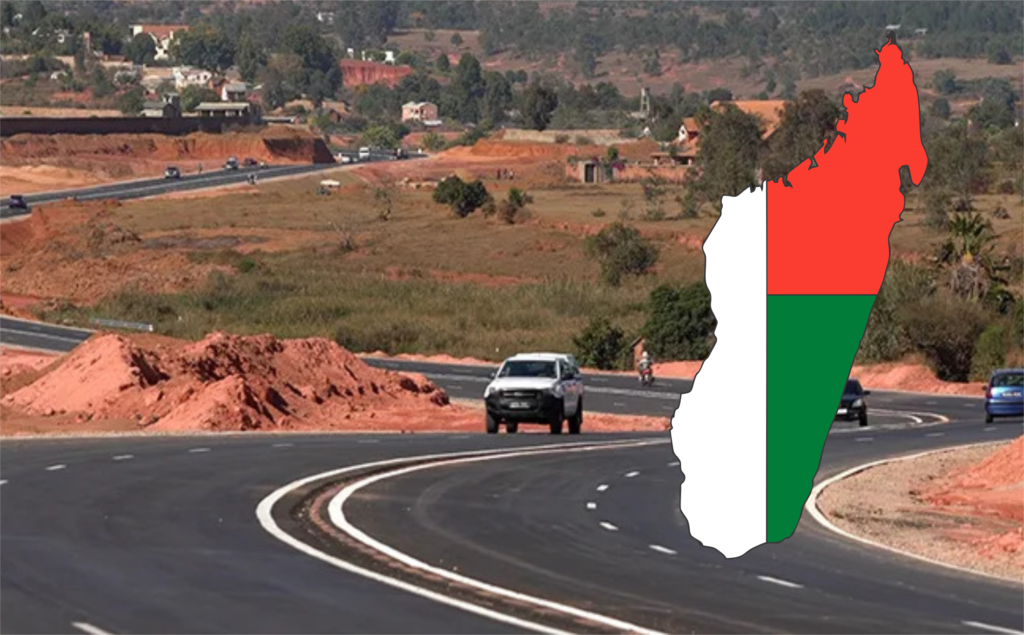
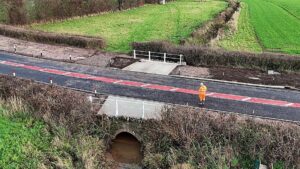
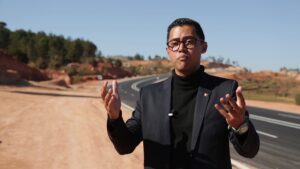
The first completed section offers a glimpse of what officials are promising; smooth tarmac, clear markings and uninterrupted flow of a stark contrast to Route Nationale 2, the narrow, potholed road that currently connects Antananarivo to Toamasina.
Along that old route, transporters like 35-year-old lorry driver Reka endure long and risky journeys. Carrying second-hand clothes to the coast twice a week, he says a single trip can take up to 16 hours. He explains that – “the road is bad and crowded with trucks. It’s dangerous”. The government claims the new highway will reduce travel time to three hours. To many companies and SMEs, the difference in time-safety, is significant.
Faster transport could triple activity at Toamasina port, lower costs for exporters and make Madagascar’s prized vanilla and other goods more competitive. Officials also predict new jobs along the corridor, like in fuel stations, roadside markets and hotels, offering alternatives to subsistence farming.
In a country where the World Bank estimates three in four people live in poverty, the promise of economic growth carries weight. Supporters argue that better infrastructure is essential if Madagascar is to break its dependence on agriculture vulnerable to climate shocks and price swings.
Yet the social costs are harder to measure. Villages like Ambohidava are not just collections of houses; they are networks of kinship, shared labour and cultural memory tied to the land. Relocation risks fragmenting families and eroding traditions rooted in farming cycles and ancestral plots.
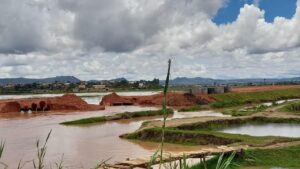
Environmental concerns also loom large. Madagascar is one of the world’s most biodiverse countries, home to species found nowhere else. Campaigners initially warned that the road would slice through untouched rainforest. Officials now say the route has been altered to pass through areas already cleared for farming, while Sancrete claims reduced congestion will cut vehicle emissions by up to 30%. Even so, conservationists caution that secondary development along the highway could put new pressure on fragile ecosystems.
As bulldozers prepare to move further east, the highway embodies a familiar dilemma in developing economies: how to balance national ambitions with local lives. Drivers like Reka see the road as a promise of safety and speed. While to farmers like Neny Fara, it threatens the only livelihood they have ever known.
Standing by the red post that marks the road’s path, the future feels uncertain. Whether the highway becomes a shared route to prosperity or a line dividing winners from losers may depend on how Madagascar bridges the gap between development and dignity.