
Mali Conflict Survivors – Girls and Women Accuse Russia’s Africa Corps of Killings and Sexual Violence
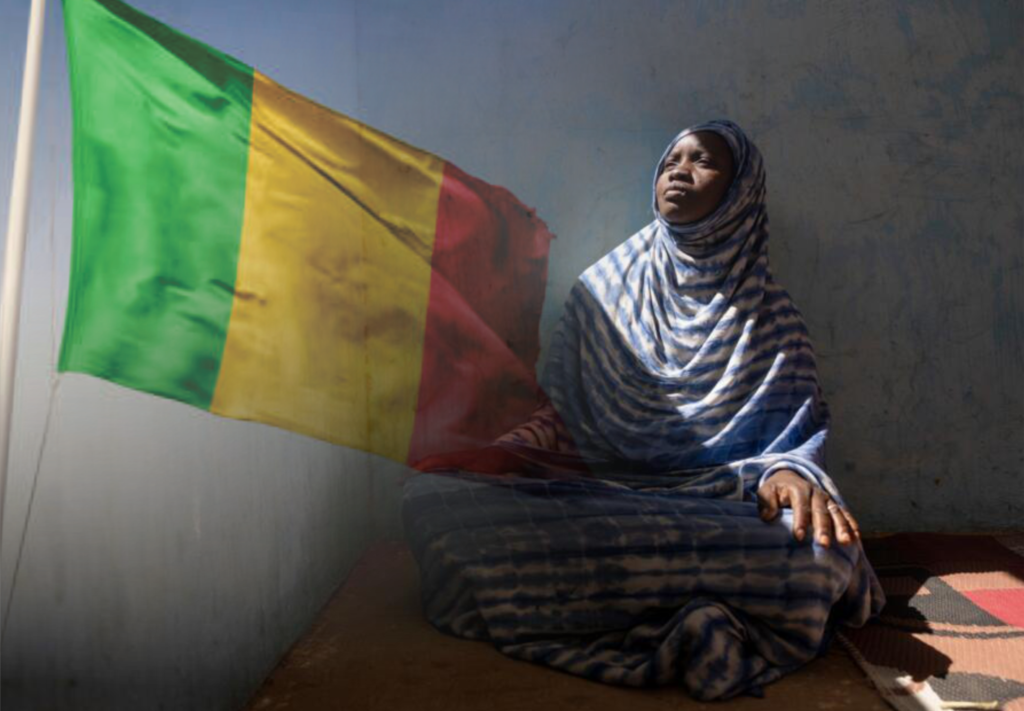
In DOUANKARA, Mauritania, at a sparse clinic near Mauritania’s border with Mali, doctors rushed to stabilize a teenage girl suffering from a severe infection and fever. Her family said she had been assaulted during an attack on their village weeks earlier. Like many refugees arriving here, they had waited too long to seek help, silenced by fear, poverty and stigma.
The girl’s case has become emblematic of a broader pattern described by Malian women and girls who have fled violence in recent months. During rare access to a makeshift refugee settlement, the Associated Press spoke with dozens of people who alleged abuses by Africa Corps, a Russian-controlled military unit that replaced the Wagner mercenary group. Refugees said attacks often involved killings, looting and sexual violence, leaving families shattered and communities uprooted.
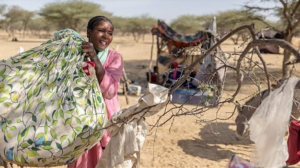
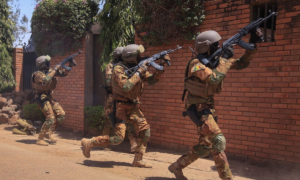
Aid workers and the United Nations say sexual violence has been used by multiple armed actors throughout Mali’s decade-long conflict. But testimonies collected in eastern Mauritania suggest that allegations against Africa Corps are adding a new layer to an already brutal war, one that is pushing civilians across borders and overwhelming fragile health systems. Families under strain.
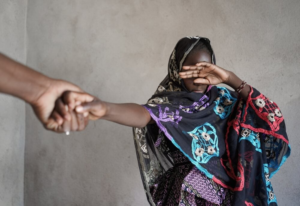
Some of these families are facing consequences that are immediate and lasting. Many arrive with little more than the clothes they are wearing, having fled in haste after attacks. Parents must care for traumatized children while grieving lost relatives and livelihoods. Extended families often share the burden, pooling scarce resources to seek medical care or shelter, even as shame and fear make it difficult to discuss what happened.
In conservative communities, survivors frequently remain silent. Aid workers say that delays in treatment worsen health outcomes and make psychological recovery harder. People endure these experiences and carry them alone. By the time they come forward, the damage is often severe. And these scenario are cultural taboos and hidden trauma, that can’t be expressed.
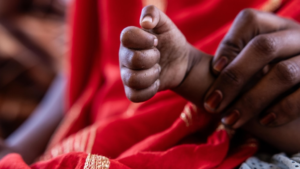
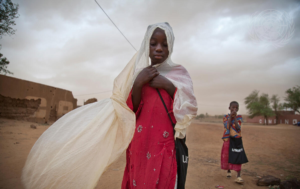
Cultural norms around honor and modesty compound the crisis. Some women that were questioned said they feared being blamed, or rejected by husbands, or ostracized by their communities. As a result, many choose silence, even when services are available. Mental health professionals warn that unaddressed trauma is spreading through refugee communities, affecting children and caregivers alike.
The shortage of specialists adds to the challenge. Mauritania has only a handful of psychiatrists, and refugee clinics are newly established and under-resourced. Counselors say trust-building takes time. It is something many survivors do not feel they have as they struggle to survive day to day. Even then, there are consequences of economic fallout.
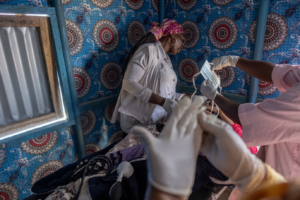
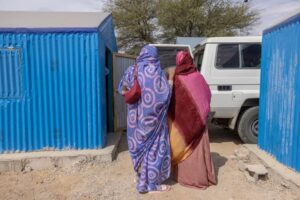
Apart from the personal toll, the violence is eroding local economies. Farming families abandon fields and livestock, cutting off income and food supplies. In border areas of Mauritania, the sudden influx of refugees has strained markets, housing and public services. Local families hosting displaced Malians share what little they have, while aid agencies scramble to expand capacity. This whole situation, also bags political consequences too.
The allegations also carry political weight. Mali’s military government has deepened ties with Russia since the withdrawal of international peacekeepers, limiting independent monitoring. The expulsion of the UN mission has made documenting abuses increasingly difficult, aid groups say, leaving survivors with few avenues for justice.
Russia’s Defense Ministry did not respond to questions. A Russian-linked outlet dismissed the allegations as misinformation. Rights advocates argue that the lack of transparency fuels impunity and undermines prospects for accountability.
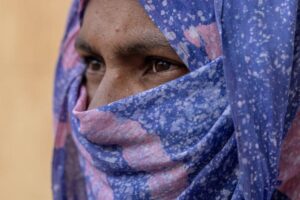
In regards to social reckoning, as more women and girls cross into Mauritania, aid workers worry about those who never speak up. Some refugees quietly acknowledge losses they cannot bring themselves to describe. Others refuse referrals to counselors, saying they are not ready to talk.
With respect to the teenage girl in Douankara, treatment and counseling are offering a chance to recovery. But her story highlights a larger crisis unfolding beyond the clinic walls. With conflict intensifying and oversight limited, humanitarian workers fear that many survivors will remain unseen. One of the aid workers said – “this war is stripping away protections for civilians. If the violence continues unchecked, the damage to families and societies will last far beyond the fighting”.