
Kagame Shuts Down Thousands of Churches in Rwanda, Redrawing the Line between Faith and the State
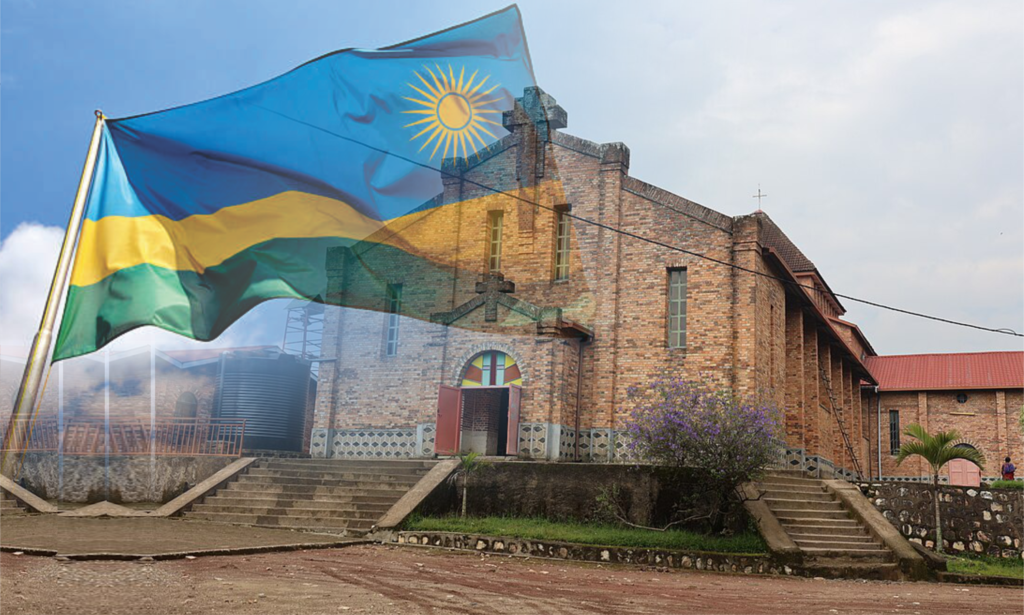
Rwanda’s decision to close more than 10,000 evangelical churches has rippled far beyond the country’s religious landscape, reshaping daily family life, raising questions about cultural identity, and highlighting President Paul Kagame’s uncompromising approach to governance.
The closures stem from a 2018 law regulating places of worship, which requires churches to meet health and safety standards, disclose finances, align activities with “national values,” and ensure preachers have formal theological training. Authorities say many churches failed to comply. President Kagame has gone further, arguing that some churches have become businesses that exploit believers rather than serve them. “Many are just thieving; some churches are just a den of bandits” Kagame said last month, questioning what role such churches play in national development, job creation, or social cohesion. Rwanda families and their faith, placed under strain.
Most Rwandans who are Christians, feel the immediate impact individually. Families that once worshipped in neighborhood churches now travel long distances, often at significant cost, to attend services. For poorer households, especially in rural areas, that journey can mean choosing between transport to church and money for food, school supplies, or healthcare.
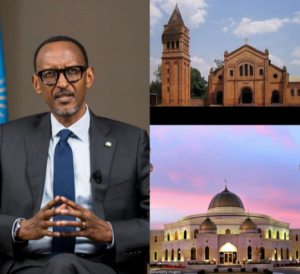
Long before now, churches have also functioned as informal support networks, offering counseling, childcare and help during illness or bereavement. Their sudden disappearance has left gaps that neither the state nor the private sector has fully filled. A dig into culture, history and state-control, would brew some unmasking.
Kagame’s criticism of evangelical churches taps into a deeper cultural and historical debate. He has described Christianity as a colonial legacy that continues to shape Rwanda in ways the country has not fully examined. To supporters, the crackdown is part of a broader effort to assert national sovereignty and discipline institutions that operate with little oversight. To critics, it risks undermining freedom of worship and erasing spaces where communities express identity and belonging.
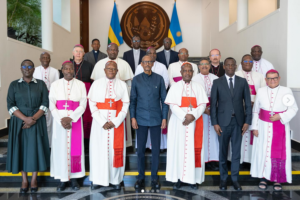
The state’s requirement that churches submit annual plans aligning with national values underscores Rwanda’s broader model of tightly managed development, where even faith-based organizations are expected to fit into a central vision of progress. Is religion in Rwanda/Africa business, money-seeking and unregulated?
At the centre of the dispute is money. The law requires all church donations to pass through registered accounts, addressing long-standing concerns about financial abuse. Some pastors acknowledge that the sector grew too quickly, with churches “mushrooming” in recent years, sometimes in unsafe buildings and without clear accountability.
Pastor Sam Rugira, whose two church branches were shut for fire safety violations, said newer evangelical groups were hit hardest. Yet the closures also affect livelihoods: pastors, church workers, cleaners, and small traders who relied on church gatherings for income have lost a source of economic stability.
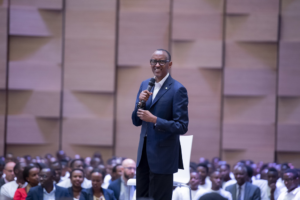
Politics, Security, and the Shadow of 1994: politics and security loom large in the background. Rwanda’s leadership remains deeply shaped by the 1994 genocide against the Tutsis, when around 800,000 people were killed. Some churches were accused at the time, of failing to protect civilians, or even worse, leaving a legacy of distrust.
Ismael Buchanan, a political science lecturer at the National University of Rwanda, argues that security concerns still influence policy today. He says places of worship can sometimes be used as channels for recruitment by hostile groups, including the Democratic Forces for the Liberation of Rwanda (FDLR), a Hutu militia formed in exile in the Democratic Republic of Congo.
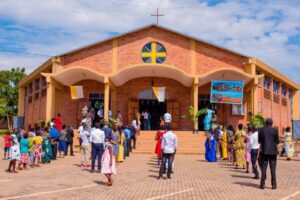
Buchanan acknowledges religion’s role in healing post-genocide trauma but questions the social trade-offs. “It makes no sense to have a church every two kilometres instead of hospitals and schools” he said.
Ultimately, the church closures reflect a wider reckoning over how Rwanda balances faith, freedom, and development. Supporters see decisive leadership that prioritizes order, safety, and national goals. Critics worry about shrinking civic space and the concentration of power over deeply personal aspects of life.
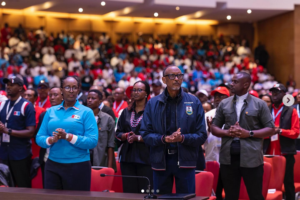
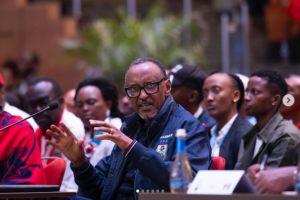
As thousands of churches remain shuttered, Rwanda’s debate is no longer just about religion. It is about who defines the public good, how communities organize themselves, and where the line lies between state authority and everyday belief.