
The US/Nigeria Signed a Five-year Health Cooperation Agreement with Consideration of the Faith-based Health-Responders
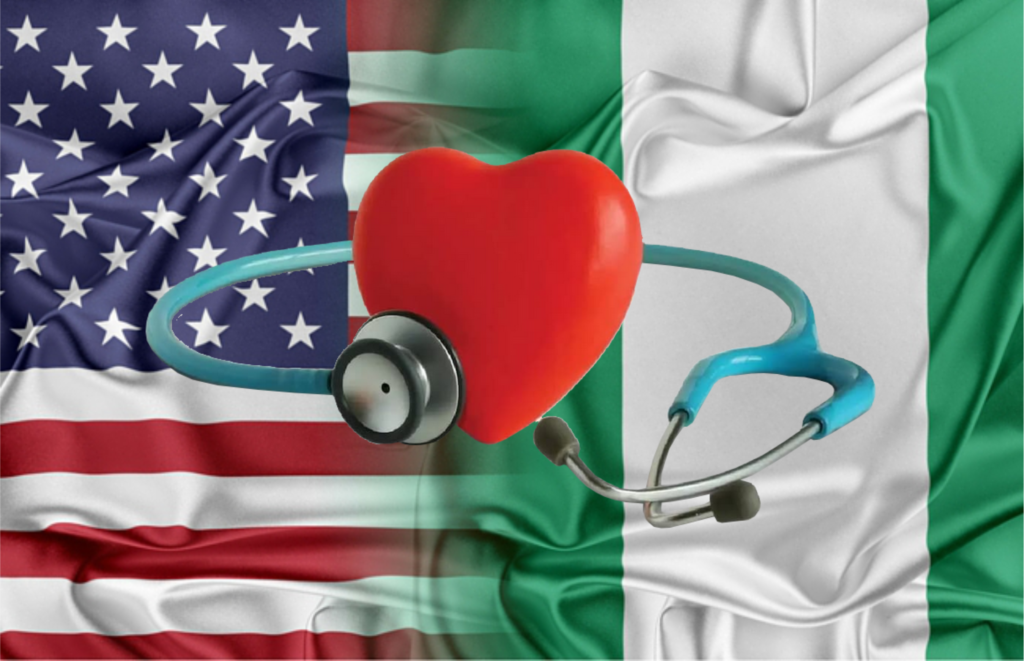
The United States and Nigeria have signed a five-year health cooperation agreement designed to strengthen Nigeria’s health system, with a particular emphasis on supporting Christian faith-based healthcare providers, Washington announced on Saturday.
The agreement comes as Nigeria continues to grapple with uneven access to care, especially in rural and conflict-affected communities where government facilities are scarce. Faith-based hospitals and clinics that are run by Christian missions, often serve as first responders for families facing maternal health risks, infectious diseases and childhood illnesses. By channeling technical support, training, and resources to these providers, US officials say the partnership aims to reach households that might otherwise fall through the cracks.
To most families, the implications are immediate and practical; shorter travel times to clinics, improved quality of care, and more consistent availability of essential services. Community leaders say faith-based facilities also carry social trust, blending medical care with counseling and social support that resonates culturally in many parts of the country.
The deal also carries economic and business dimensions. Strengthening mission-run hospitals can create jobs for local health workers, boost demand for medical supplies, and support small businesses linked to healthcare delivery. Over time, improved health outcomes can translate into higher productivity and reduced financial strain on households.

Politically, the agreement underscores Washington’s continued engagement with Nigeria, Africa’s most populous nation, while navigating the sensitivities of religious diversity in a secular state. US officials stress that the initiative complements, rather than replaces, public health services.
Socially, the partnership highlights the enduring role of faith-based institutions in Nigeria’s healthcare landscape, raising broader questions about collaboration between governments, donors, and religious organizations in meeting public health needs.