

Macron Pushes back Against US Visa Curbs, Framing Dispute as a Test of Europe’s Digital Independence and Democratic Authority
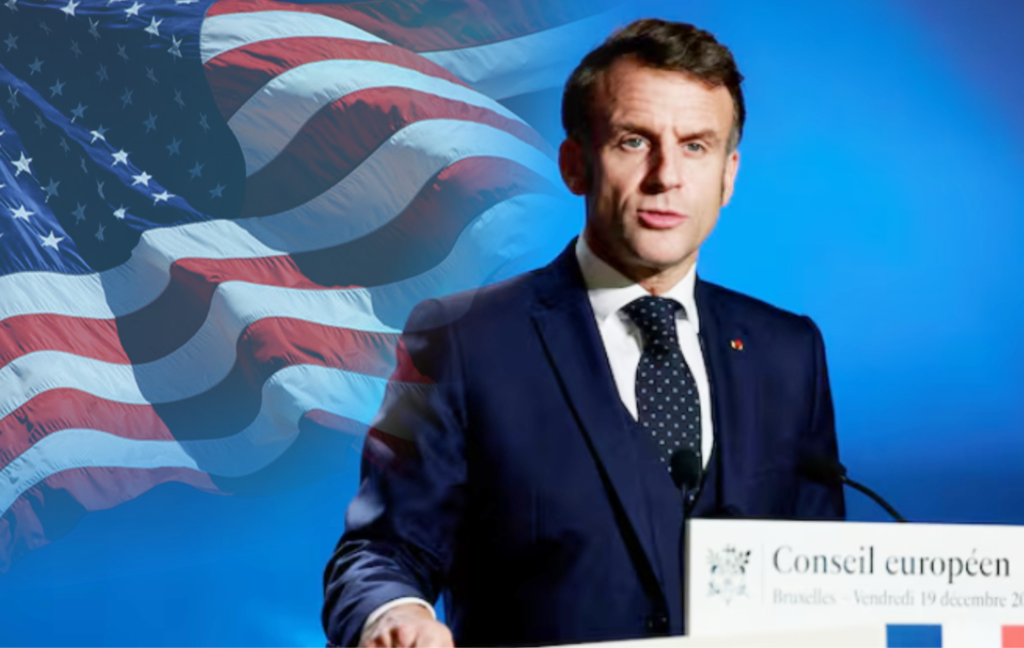
French President Emmanuel Macron has sharply criticized recent United States visa restrictions imposed on former European Commissioner Thierry Breton and four other European figures, casting the move as a challenge to Europe’s digital sovereignty and its right to regulate in the public interest.
In a statement posted on X on Wednesday, Macron said France “condemns the visa restriction measures taken by the United States” arguing that they go beyond individual travel sanctions to signal pressure on the European Union’s regulatory system. He described the decision as “intimidation and coercion” aimed at weakening Europe’s ability to set and enforce its own digital rules.
At the heart of the dispute are EU digital laws designed to rein in the power of large technology platforms, protect consumers and ensure fair competition. Macron stressed that these rules were not imposed unilaterally but adopted through democratic processes involving the European Parliament and EU member states. By framing the issue this way, he linked digital regulation to broader questions of democratic legitimacy and the protection of citizens’ rights online.
Away from institutional politics, Macron pointed to the human and social stakes of digital regulation. EU rules, he said, are meant to ensure that protections people expect in daily life, such as safety, fairness and accountability, also apply in the online world. Supporters of the regulations argue that strong digital governance benefits users, small businesses and content creators by curbing abuses, misinformation and unfair market dominance.
Politically, the episode underscores growing transatlantic tensions over how to balance innovation, corporate power and public oversight in the digital economy. While the EU insists its laws are applied equally and do not target any specific country, the visa measures risk deepening mistrust at a time when cooperation on trade, security and technology is already under strain.
Macron made clear that France would not face the issue alone. He said Paris would work closely with the European Commission and other EU partners to resist external pressure and uphold regulatory autonomy. “The rules governing the European Union’s digital space are not meant to be determined outside Europe” he said, pointing that the bloc sees digital policy as a core element of its political independence and social model.
As debates over technology, democracy and sovereignty intensify, the visa dispute has become a symbol of a larger struggle: who gets to set the rules of the digital age, and how those rules shape the lives of citizens on both sides of the Atlantic.