

Prostate Cancer Treatment Breakthrough; Nigeria Makes Great Historic Advancement
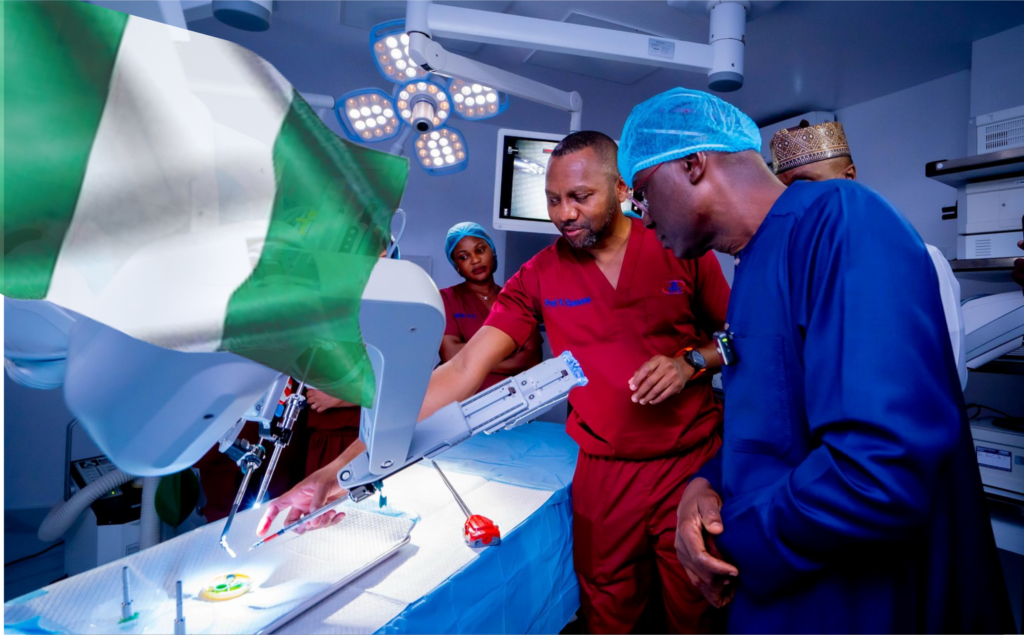
Nigeria has taken a significant step in advanced cancer care with the introduction of high-intensity focused ultrasound (HIFU) for prostate cancer treatment, a first in West and Central Africa. The technology, deployed at The Prostate Clinic (TPC) Lagos under the leadership of Professor Kingsley Ekwueme, places the country on a new footing in minimally invasive oncology and signals growing capacity for world-class healthcare innovation at home.
HIFU represents a sharp departure from conventional prostate cancer treatments. Rather than surgery or radiation that can require lengthy hospital stays and carry life-altering side effects, the procedure uses focused ultrasound waves to destroy cancerous tissue without any incision. Patients typically return home the same day. As Prof. Ekwueme explained, the approach is designed for comfort and speed: there is no cut, no pain, and recovery is almost immediate.

Beyond the clinical breakthrough, the implications are deeply human. Prostate cancer is one of the leading cancers among Nigerian men, and hereditary cases often emerge earlier than elsewhere. According to Prof. Ekwueme, Nigerian patients with inherited risk can develop the disease up to seven years earlier than the general population, meaning many are diagnosed while still planning families. Traditional treatments can compromise fertility and sexual function, placing emotional strain not only on patients but also on partners and families.

HIFU changes that equation. By targeting only the cancerous portion of the prostate and leaving healthy tissue intact, the technology preserves erectile function, ejaculation, and urinary control. For younger patients, this means the possibility of surviving cancer without sacrificing the chance to have children or maintain quality of life. In a society where masculinity, fertility, and family continuity carry strong cultural weight, that assurance is significant.
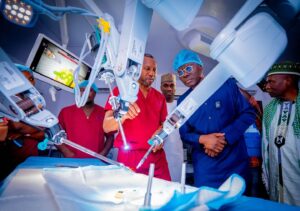

The social and cultural impact may be just as important as the medical one. Prostate cancer is still surrounded by stigma and silence in many Nigerian communities, with men often delaying diagnosis out of fear of impotence or incontinence. A treatment that avoids these outcomes could encourage earlier screening and more open conversations about men’s health, potentially saving lives through timely intervention.
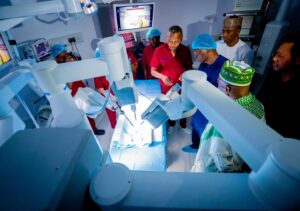
There are also notable business and policy dimensions. Advanced treatments like HIFU have historically driven medical tourism, sending Nigerians abroad at great personal and national cost. Offering this technology locally could position Nigeria as a regional destination for specialized care. It also underscores the importance of sustained investment in medical technology, training, and regulatory support to ensure equitable access beyond a small, urban elite.

Politically, the development aligns with broader calls to strengthen Nigeria’s health system and reduce dependence on foreign care. While challenges remain, including affordability and scale, the arrival of HIFU marks a clear statement of intent.
However, to many patients and families facing prostate cancer, the message is more immediate and personal: treatment no longer has to mean choosing