
US Conducts Airstrikes Against ISIS-Affiliated Militants in Sokoto State, Nigeria; Targeting Islamic Extremists Slaughtering Christians
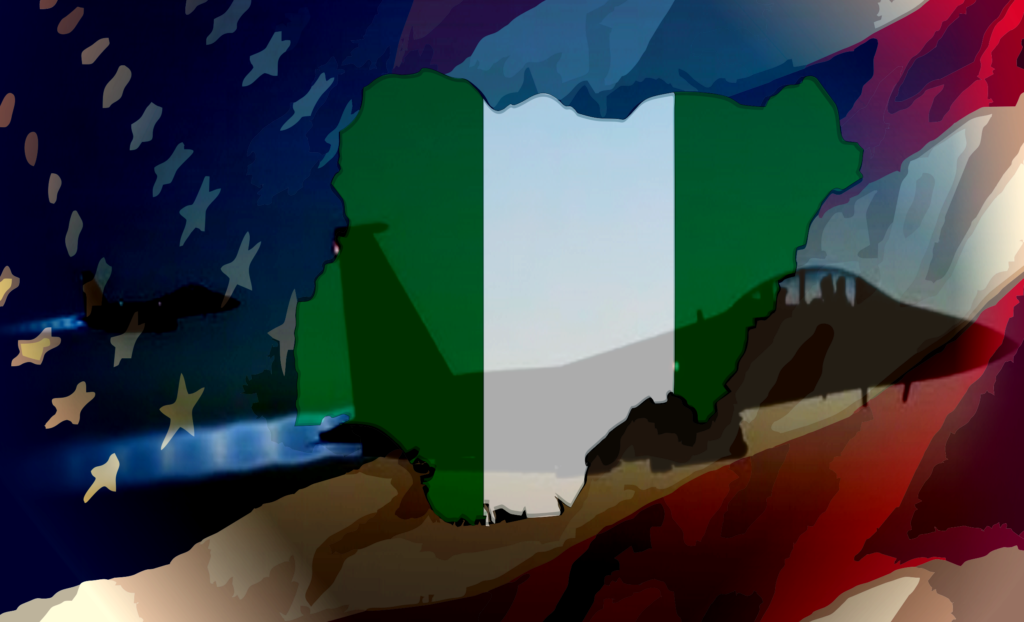
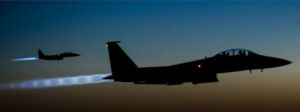
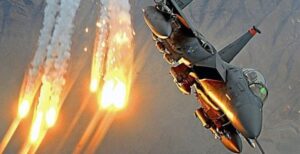
The United States carried out airstrikes on Christmas Day against Islamic State–linked fighters in northwestern Nigeria, marking the first such operation in the country during President Donald Trump’s current term. US Africa Command (AFRICOM) said the strikes, conducted in Sokoto State at the request of Nigerian authorities, killed multiple militants. While operational details were limited, the political and social reverberations of the action were immediate and wide-ranging.
In a statement posted on Truth Social, Trump framed the strikes as a response to violence against Christians in Nigeria, portraying the operation as both a military and moral message. “If they did not stop the slaughtering of Christians, there would be hell to pay,” he wrote, ending with a pointed holiday greeting. The language underscored how religious freedom has become a central lens through which the White House is publicly interpreting Nigeria’s long-running security crisis.
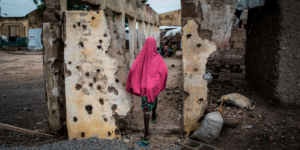
To most of the families in affected regions, the conflict is not an abstraction. Across northern and central Nigeria Christian and Muslim communities alike, families have endured years of killings, kidnappings and displacement by jihadist groups, criminal bandits and communal militias. Parents have buried children, churches and mosques have closed after attacks, and entire villages have been emptied as people flee to safer towns. The release of more than 300 schoolchildren kidnapped from a Catholic school days before Christmas briefly lifted spirits, but it also highlighted how routine mass abductions have become, reshaping family life and education.
The cultural impact runs deep in a country where faith is tightly woven into identity. Nigeria is almost evenly split between Muslims and Christians; and many Nigerians worry that foreign leaders’ opinions of framing religious countenances, though well-intended, could harden reactionary dispositions from low-minded-thinkers in the region. Analysts caution that casting the violence solely as anti-Christian persecution, risks overlooking Muslim victims and the complex drivers of insecurity, including poverty, land disputes and weak local governance.
Economically, the violence has hollowed out rural life. Farmers abandon fields, traders avoid highways; and local markets shrink as insecurity raises the cost of doing business. In regions like Sokoto and the Middle Belt, disrupted agriculture and transport have pushed food prices higher, expanding hardship for families already strained by inflation. International strikes may degrade militant networks, but business leaders say, lasting recovery depends on improved policing, good roads infrastructures; and dispute resolution that allow commerce to resume.
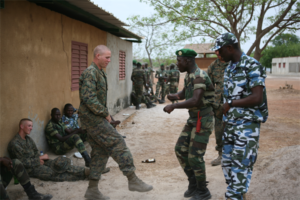
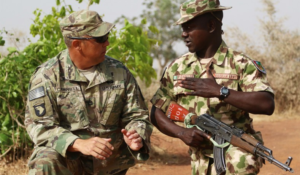
Politically, the strikes reflect a closer security partnership between Washington and Abuja, even as it exposes tensions. Nigeria’s government has welcomed intelligence and logistical support but has resisted labels that define the crisis primarily as religious persecution. Officials argue the threat is multi-layered – jihadist insurgencies in the northeast, Islamic State affiliates in the northwest and criminal gangs elsewhere. Trump’s earlier decision to redesignate Nigeria as a Country of Particular Concern for religious freedom, drew praise from advocacy groups and unease from Nigerian diplomats, who fear sanctions or reputational damage.
Human rights advocates say the renewed attention could be constructive if it leads to broader reforms. Recommendations have included disarming militias, prosecuting perpetrators regardless of affiliation, restoring seized farmland and expanding humanitarian aid for displaced families. Faith leaders inside Nigeria have also called for early-warning systems and interreligious dialogue to prevent local disputes from escalating into mass violence.
Whether the Christmas Day strikes will alter conditions on the ground remains uncertain. Air power can disrupt militant cells, but Nigeria’s crisis has proven resilient, fueled by local grievances and regional instability. In respect to most families mourning loved ones and communities struggling to rebuild trust, the hope is that international engagement will move further than symbolism, towards sustained support for security, justice and reconciliation, so that faith, in all its forms, is no longer a fault line for fear.