
A VIEW: Foreign Powers Rallying behind Nigeria, as Insecurity Reshapes Society, Economy and Politics
Nigeria’s long-running battle with terrorism, banditry and violent crime is drawing renewed and intensified international attention, as foreign governments recalibrate their security, economic and diplomatic engagement with Africa’s most populous nation. The latest indication came with outspoken promises of support from Israel’s Prime Minister Benjamin Netanyahu, adding Israel to a growing list of countries offering security cooperation to Nigeria amid escalating threats from Boko Haram, Islamic State West Africa Province (ISWAP), armed bandits and criminal networks.
Insecurity in Nigeria is a severe, multifaceted crisis involving diverse groups of jihadist in terrorist-movements, widespread banditry, farmer-herder clashes, kidnappings, and “unknown gunmen” attacks, which is said to be driven by an anchor to fight-for-their-right; by some other opinion, it said to be driven by poverty, unemployment, weak governance, land dispute, ethnic tensions; and in most disturbing instances, a proliferation of the supply of illegal arms. These whole barrage of reasons, are causal-factors of the insecurity that is challenging state authority, negatively impacting areas, especially across the Northern region. Leading to displacement, economic disruption and significant loss of lives that is generally narrated as Christian genocide. Solutions proposed overtime include better governance, state policing, youth empowerment and technological tools activation, but the situation remains critical, with the military often overstretched.
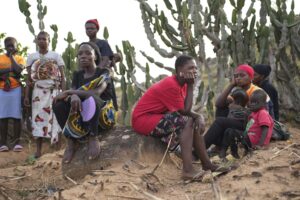
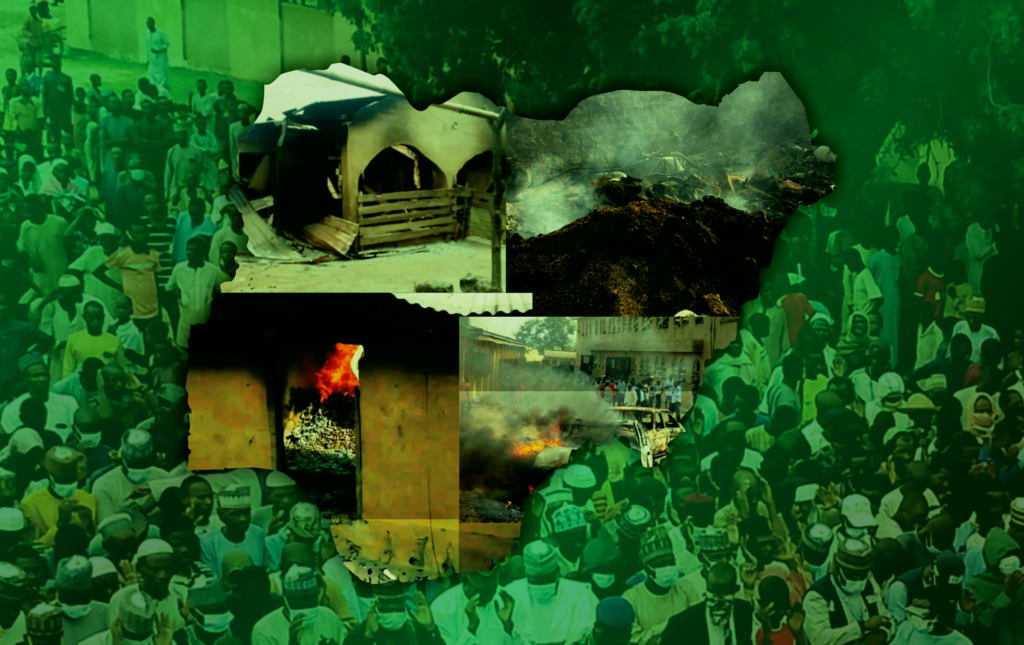
While the security crisis is often framed in military terms, its implications run farther, touching families, communities, reshaping culture and religion; altering business confidence, influencing Nigeria’s political trajectory and its standing in West Africa. This security crisis is felt first amongst family; it is mostly ruralized, shattering homes, livelihood, etc.
Insecurity is not an abstract policy debate but a daily reality for millions of persons across Nigeria. In the Northeast, Northwest, some part of the Northcentral, Southwest and the Southeast, years of insurgency have displaced families, disrupted farming cycles and left children growing up in camps for internally displaced persons. In the Northwest and parts of the Middle Belt, banditry and mass kidnappings have forced rural communities to abandon ancestral lands, weakening traditional kinship systems and eroding trust between neighbors.
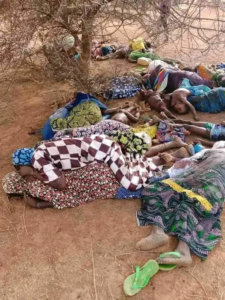
Parents now weigh the risks of sending children to school after repeated abductions, while places of worship, churches/mosques alike, have become targets, creating extensive fear and inflaming religious tensions. Cultural life has also been affected. Festivals are cancelled, night markets have gone into extinction; age-old trade routes fall silent as travelers avoid dangerous roads. And the world is watching Nigeria with great concern.
Foreign interest in Nigeria’s security is driven by more than solidarity. As Africa’s largest economy and a major oil producer, Nigeria sits at the crossroads of global trade, energy supply and migration routes. Persistent violence threatens these interests. Terrorism and insurgency in the Northeast/Northwest is spilling more into neighboring countries, undermining regional stability. Banditry, kidnapping and violent crime endanger locals, foreign nationals, diplomats, workers in various fields. Maritime insecurity and piracy in the Niger Delta affects international shipping, energy markets, etc. These risks have prompted countries including the United States, members of the European Union and now Israel to extend security cooperation, intelligence sharing and military assistance, for security assistance and counter‑terrorism partnerships.
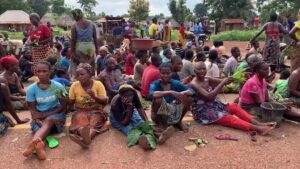
The United States remains Nigeria’s most significant security partner, with the current ongoing display of military affluence against terrorist in Northern part of Nigeria in collaboration with the Nigerian government. Besides, they are also providing military training support and equipping with the Nigeria security community with intelligence report towards counter‑terrorism operations.
Other global partners contribute through surveillance technology and intelligence cooperation. Israel’s promised support, though still short on operational details, highlights how Nigeria’s security challenge has become a matter of global counter‑terrorism concern.
At the same time, Nigeria seeks to assert leadership in West Africa, coordinating with neighbors and regional bodies to contain this security threats that routinely cross porous borders.
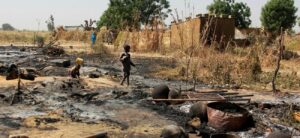
With regards to the economic and business consequences, the security crisis has exacted a heavy economic toll. High‑risk perceptions might be deterring foreign direct investment (FDI) into Nigeria, particularly outside the oil sector. While some domestic capital will probably be seeking safer havens abroad. Besides, one could widely imagine that incoming foreign business ventures, would always factor security-insurance/private security costs-implication into their general operations budget, which could affect their overall competitiveness projection or mark-in product/service inflation-element, from the onset.
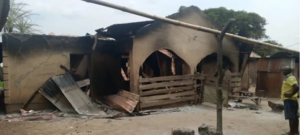
China, once a major driver of large‑scale infrastructure financing, has reportedly slowed new investments amid rising security risks and uncertainty. Delays in rail, road and energy projects ripple through employment and local supply chains, compounding poverty and unemployment conditions. Furthermore, small businesses in this high-targeted regions suffer much more too. Traders avoid highways notorious for ambushes, farmers abandon fields, farm-produce transportation is highly affected; tourism market, both domestic/international inflow, struggles to recover. Politics, governance and the ineffectiveness of the economic reform on the common man, has broken public trust.
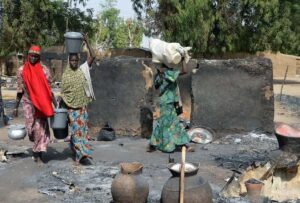
Insecurity has become a defining political issue, shaping elections and public debate. Citizens increasingly judge leaders by their ability to provide basic safety. Allegations of corruption, weak institutions and uneven law enforcement undermine confidence in government responses, even as defense spending rises. Foreign involvement adds another layer to the political conversation. While many Nigerians welcome international support, others question sovereignty, accountability and whether military solutions alone can address root causes such as poverty, youth unemployment and poor governance.

In view of regional stability and international spillovers; Nigeria’s internal security is inseparable from West Africa’s stability. As a leading member of ECOWAS, Nigeria’s capacity to manage its own conflicts affects mediation, peacekeeping and counter‑terrorism efforts across the region. Instability fuels cross‑border arms’ flows, refugee movements and criminal networks. Travel advisories issued by countries such as the UK, Canada, Australia etc., warning their citizens about terrorism, kidnapping and violent crime, reflect these concerns. Such advisories influence diplomatic deployments, corporate postings and international movement.
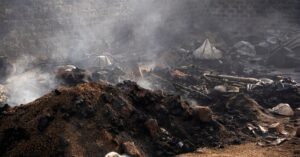
Experts increasingly argue that lasting security will require more than foreign intervention, arms support and training. Community reconciliation, protection of human rights, economic inclusion and credible governance reforms, are essential to restoring trust between citizens and the state.
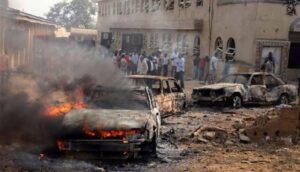
As for many families torn apart by violence, businesses operating under threat, a nation whose cultural and social fabric is under strain, the stakes could not be higher. International support may strengthen Nigeria’s hand against immediate threats, but the long‑term solution lies in rebuilding security as a shared social contract. One that protects lives, livelihoods and the country’s future.
As foreign partners line up to help, Nigeria faces a defining test of turning global concern into sustainable peace at home.