
Why Mass Anti-Government Protests Sweeping Tehran and Iranian Cities with Escalating Unrest
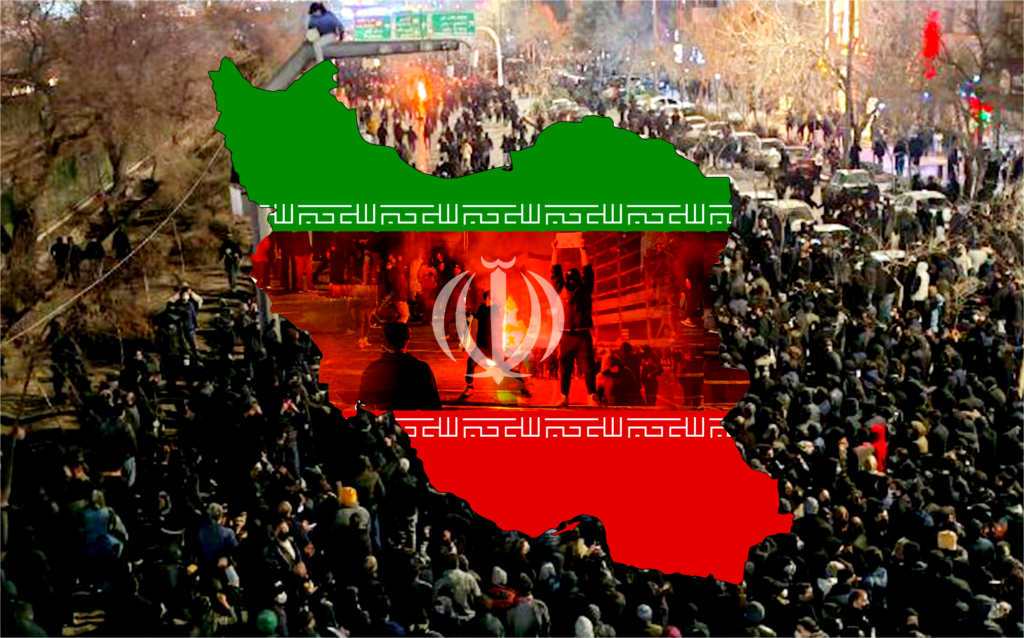
When shopkeeper Ali closed the metal shutters of his small stall in Tehran’s Grand Bazaar in late December, it was not an act of political theatre. It was survival. The price of flour had jumped again overnight, his savings were losing value by the hour, and customers were arguing over costs he could no longer control. “People think we are greedy,” he said quietly, speaking on condition of anonymity. “But the money itself is collapsing.”
Scenes like this lie at the heart of the mass anti-government protests that have swept across Tehran and dozens of Iranian cities since 28 December 2025. What began as economic anger directed at inflation, food shortages and the dramatic fall of the Iranian rial, has rapidly transformed into the most serious challenge to the Islamic Republic since the nationwide protests of 2022-2023. An economy that broke the social contract.
Iran’s current unrest is rooted in a prolonged economic crisis that many families say has finally crossed a psychological threshold. Official inflation reached 48.6 percent in October 2025 and remained above 42 percent in December, a pace that has shredded household budgets. For middle- and working-class families alike, wages have failed to keep up with basic living costs, forcing difficult choices over food, healthcare and education.
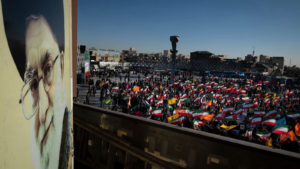
The collapse of the rial has been especially destabilizing. On 29 December, the currency fell to around 1.45 million rials to the US dollar, before briefly strengthening after government intervention. By 6 January, it had plunged again to about 1.5 million, triggering fresh price hikes for imported goods and essentials.
Small businesses on the other hand, which is the backbone of Iran’s urban economy, has been devastated by the volatility. Bazaar merchants, known collectively as the Bazaari, have historically played a crucial role in Iranian politics, including during the 1979 revolution. Their decision to strike, sent a powerful signal that the economic crisis had eroded trust between the state and one of its traditional support bases. More like from bread-and-butter issues to political rupture.
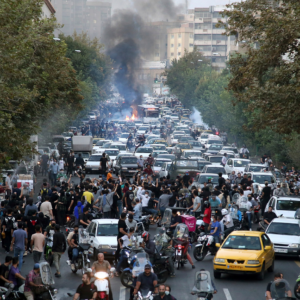
The protests initially focused on livelihoods, but their tone quickly shifted. As demonstrations spread from Tehran’s bazaars to universities and public squares, slogans began to reflect deeper political grievances. Students joined workers, pensioners and shopkeepers, linking economic hardship to demands for systemic change.
In cities such as Isfahan, Shiraz and Mashhad, crowds chanted against Supreme Leader Ayatollah Ali Khamenei and called for freedom, accountability and in some cases, the return of the monarchy. Pro-monarchist chants referencing Reza Pahlavi, the son of Iran’s last shah, highlighted the absence of a single unifying opposition ideology and the breadth of public frustration with the current order. According to a US-based human rights organization, Iran’s security forces have killed at least 78 protesters and arrested more than 2,600 people during two weeks of anti-government demonstrations. The unrest, driven by deepening economic hardship, has reportedly spread to over 150 cities nationwide, emphasizing the scale of public anger. However, the true extent of casualties and arrests remains difficult to independently verify, as restrictions on media access and information flow continue to limit transparency around the state’s response to the protests.
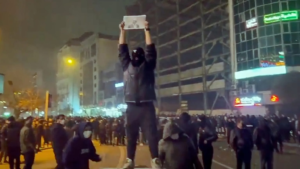
Some more human rights groups are arguably saying that the protests have now reached more than 180 cities and towns across all 31 provinces, an indication of how widely shared the grievances have become. The movement cuts across class, ethnic and generational lines, with Kurdish regions in western Iran joining through shop closures and calls for general strikes. As families are falling more under pressure, fear and hope are intertwined in unclear picture.
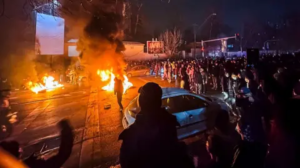
Afar from the slogans and street marches, the unrest has deeply personal dimensions. Families report growing anxiety about the safety of their children, particularly as students have taken a prominent role. Parents face a painful dilemma: encouraging civic courage while fearing repression.
Rights organisations report dozens of deaths and thousands of arrests since the protests began, though figures vary. These losses have resonated strongly in a society where many families still carry trauma from previous crackdowns. At the same time, the visibility of women and young people in demonstrations reflects a cultural shift that has been building for years, one that challenges traditional authority and demands towards having a say in the Iran’s future.
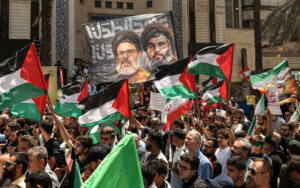
State response is struggling between control, denial and disruption. As protests intensified, particularly after a coordinated call on 8 January for evening chants, authorities responded with familiar tools. Internet and telephone services were cut nationwide, limiting communication and the flow of information. Monitoring groups reported severe connectivity disruptions, echoing tactics used during earlier periods of unrest.
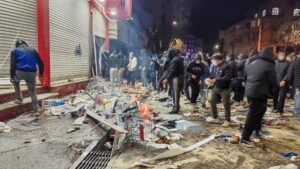
Iranian state media sought to downplay or deny the scale of demonstrations, portraying them as isolated incidents or foreign-instigated disturbances. Security forces tried using tear gas and force to disperse crowds, while officials have warned against chaos and sedition. The President Masoud Pezeshkian had publicly urged for restraint, but real decision-making power remains concentrated within the broader clerical and security establishment. The tension between calls for moderation and hardline enforcement reflects divisions within Iran’s political elite over how to manage a population that appears increasingly unwilling to accept incremental change.
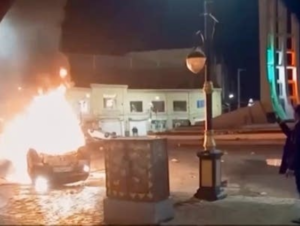
Protesters recount vast crowds and moments of optimism, but these accounts are overshadowed by reports of severe state violence. Hospitals have descended into chaos, with injured patients gripped by fear of being identified amid an intensifying security crackdown. Such conditions raise serious concerns about the authorities’ handling of civilian casualties and access to safe medical care. Authorities have also imposed an ongoing internet blackout, in what appears to be an effort to suppress information and coordination. However, the restrictions have failed to silence dissent. Highlighting the limits of digital repression in containing widespread public anger.
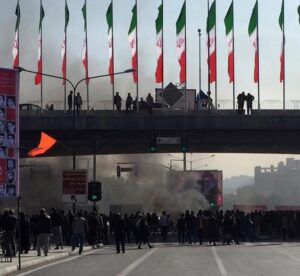
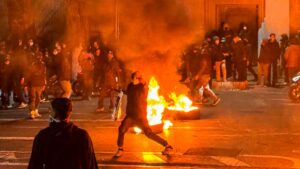
The unrest associated with pro-monarchy groups has been marked by widespread disorder and destruction. Rioters vandalized public property, blocked major streets, burnt mosques, launched attacks on administrative buildings, police stations, etc., resulting in injuries to members of the security and law-enforcement forces. Besides disrupting public order, protesters reportedly destroyed buildings and mosques in Tehran and other cities, actions that undermine claims of peaceful dissent and raise serious concerns about respect for civic institutions, public safety, and cultural and religious sites.
On the path of regional tensions and international pressure: The protests are unfolding against a fraught geopolitical backdrop. Many Iranians fear renewed conflict following the 2025 Twelve-Day War with Israel and the reimposition of UN nuclear-related sanctions through the snapback mechanism. These external pressures have compounded domestic economic woes, reinforcing a sense of isolation and uncertainty.
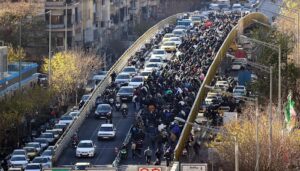
International reactions have been sharp. US President Donald Trump has warned of possible military consequences if protesters continue to be killed, while European governments have called for restraint and respect for human rights. For Iranian authorities, the challenge is to contain unrest without triggering further international fallout—no easy task in a volatile region.
This is a movement without a clear endgame, looking like the rise of “End SARS” protest by the youth that lasted from the 8th of Oct 2020 to the 20th of Oct 2020 in Nigeria. Despite its scale, the protest movement lacks a single leadership or agreed roadmap. Reza Pahlavi’s calls for unity have energized some demonstrators but alienated others wary of monarchy or foreign-backed figures. Grassroots organisation, often informal and decentralized, has allowed protests to spread quickly but also makes sustained coordination difficult.
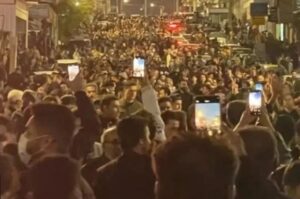
What unites participants is a shared belief that the current trajectory is untenable. The economic model, political system and social contract all appear under strain. Whether the unrest leads to meaningful reform, harsher repression or a prolonged stalemate remains uncertain.
In the meantime, Iran’s streets reflect a society at a crossroads. In bazaars, universities and family homes, conversations once whispered are now shouted. As one student protester in Tehran put it, “This started with prices. But it became about dignity.”