
Liberian Agribusiness Executive Cytirus K. Kerbay Named Among 100 Influential African Women
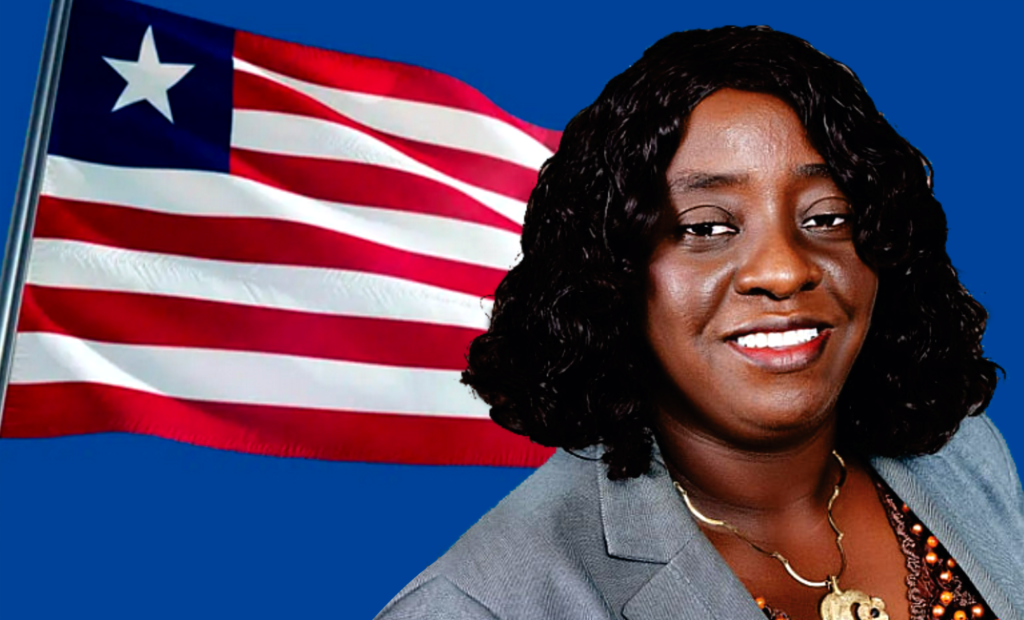
From Monrovia, the inclusion of Liberian agribusiness leader Cytirus K. Kerbay among Africa’s 100 Influential Women shows more than personal achievement, to reflecting a shifting landscape in how agriculture, gender and development intersect across the continent. As Chief Executive Officer of WONYEA AGRO INC, Kerbay has built a business model that places women, youth and smallholder farmers at the center of food security and climate change, sectors that directly shape household incomes and community stability in Liberia.
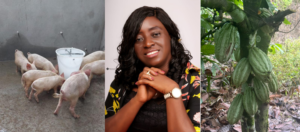
Kerbay’s work carries strong social and family implications in a country where agriculture employs a large share of the population but remains dominated by subsistence farming. By expanding access to training, markets and climate-smart inputs, WONYEA AGRO INC has helped rural families move toward commercial production, improving incomes while reducing environmental strain. The company’s use of organic fertilizer derived from pig manure illustrates a practical blend of local knowledge and innovation, lowering costs for farmers and supporting sustainable practices.
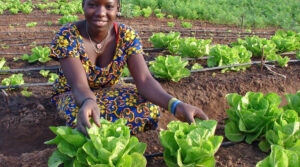
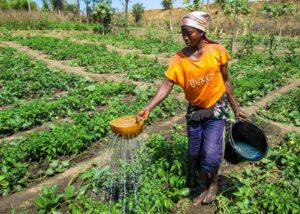
Sociopolitically and economically, the recognition places Liberia back into a continental conversation on women’s leadership, following the path set by former President Ellen Johnson Sirleaf. Organizers say Kerbay’s selection highlights how private-sector actors can complement government policy by addressing structural barriers that limit women’s participation in economic life. Her background in public health and humanitarian work has also shaped a grassroots approach that links agriculture to nutrition, community health and youth employment.

The award was conferred at a high-level international forum that brought together African, European and North American leaders, with a final communiqué circulated to governments and development institutions. For Kerbay, the honor underscores a broader message: that empowering women in agriculture is not only a social goal, but a business and development strategy. As African economies seek inclusive growth amid climate and food challenges, her recognition points to the growing influence of women-led enterprises in shaping the continent’s future.