
Rwanda’s Quiet Wealth Boom: How a Rising Class of Multimillionaires is Reshaping the Economy and Society
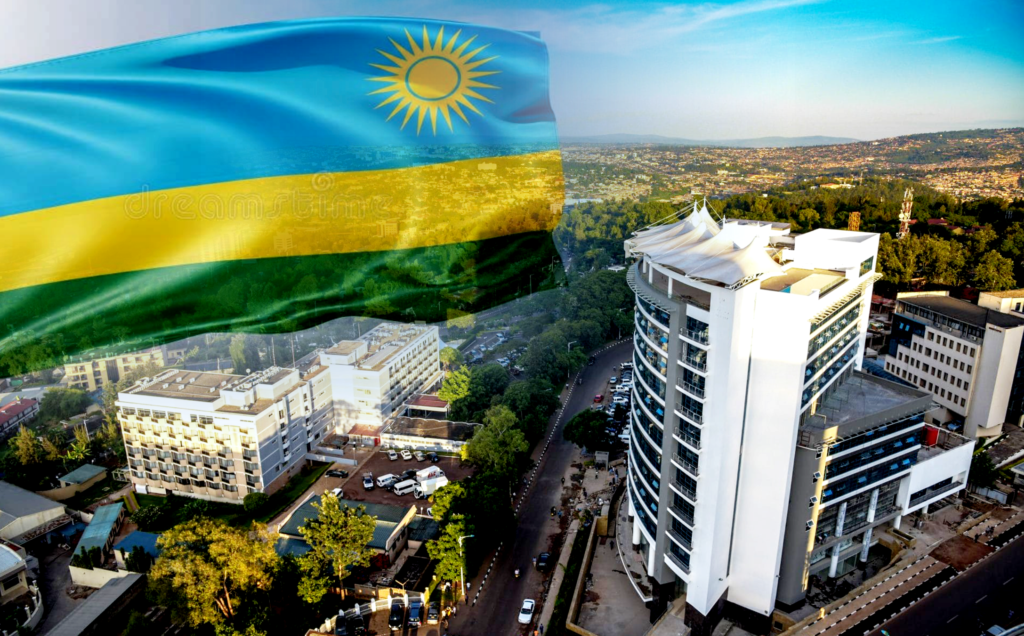
Kigali Rwanda has no dollar billionaires. Yet behind the country’s carefully managed growth story is a quieter but consequential shift: the rapid rise of a wealthy class whose influence is increasingly visible across construction sites, mining concessions, tech hubs, and hotel lobbies.
Over the past decade, Rwanda’s population of millionaires has grown by an estimated 48 percent, the second-fastest rate among Africa’s top 20 economies. Today, roughly 1,000 residents hold assets exceeding $1 million, alongside three “centi-millionaires” worth more than $100 million. Their emergence is altering how capital moves through the economy, how families and communities define success, and how policymakers balance growth with social equity.
This is not a story of overnight riches. It is the product of deliberate state policy, disciplined entrepreneurship, and a national development model that favors stability, long-term planning and investor confidence. A state-led foundation for national-building through indigenous private wealth.

Rwanda’s government has played a central role in shaping the environment in which wealth has grown. Since the early 2000s, Kigali has pursued an explicitly pro-investment agenda: streamlined business registration, low tolerance for corruption, targeted incentives in priority sectors, and a strong emphasis on infrastructure.
“Capital follows predictability,” says a regional investment analyst based in East Africa. “Rwanda offers rules that are clear and consistently enforced. For high-net-worth individuals, that matters as much as returns.”
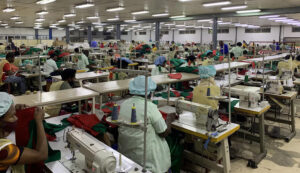
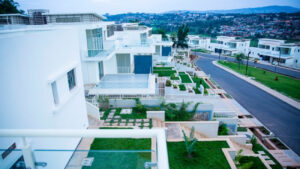
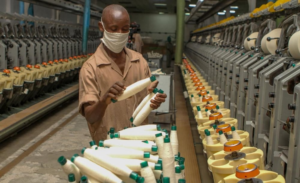
This policy framework has attracted foreign investors, and has also enabled local entrepreneurs to scale up. Many of Rwanda’s multimillionaires are first-generation business owners who expanded from small trading firms or family-run enterprises into national players. Often reinvesting profits into real estate, mining, or services. Leaning on the opening opportunities driven by the shape of modern Kigali, which is construction, real estate, etc.
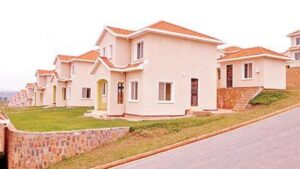
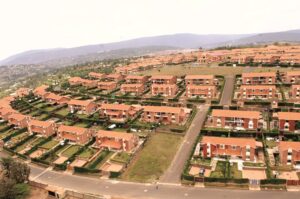
Perhaps nowhere is new wealth more visible than in construction and real estate. Tower cranes dot Kigali’s skyline, while gated housing developments and mixed-use complexes reflect both rising demand and changing lifestyles.
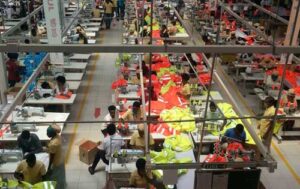
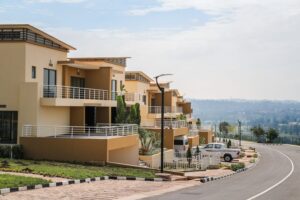
For wealthy entrepreneurs, property development has become a reliable store of value. For the wider economy, it has helped address a chronic housing shortage, particularly in urban areas where population growth is fastest. Construction now employs tens of thousands of Rwandans directly and indirectly, from engineers to casual laborers.
Yet, the boom has also raised questions. Housing prices in Kigali have risen faster than incomes for many middle and low income residents, reinforcing concerns about affordability and urban exclusion. “We see beautiful buildings, but we also worry about who they are really for. Development must include the people who build the city”, says a community organizer in Gasabo district.
Another side of the economic-coin is the mining wealth and local tensions. Rwanda’s mineral sector that is rich in tin, tantalum, tungsten and gold, has become another engine of wealth. Mineral export earnings have tripled in recent years, boosting foreign exchange reserves and contributing significantly to GDP.
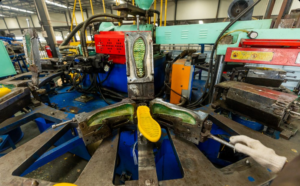
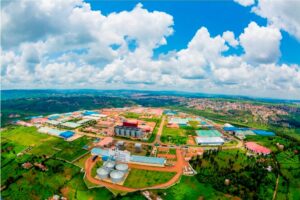
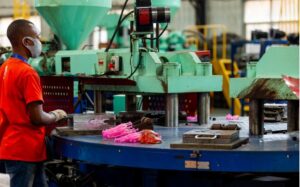
Well-capitalized individuals and companies dominate the sector, often partnering with the state or foreign firms. Their investments have modernized operations and increased output, while formalization has improved traceability and tax compliance.
At the grassroots level, however, mining remains a sensitive issue. Artisanal miners and rural communities sometimes complain of uneven benefit-sharing, environmental degradation, and limited local development despite rising export revenues.
Government officials say reforms are ongoing to improve community participation and ensure that mining wealth translates into schools, roads and health services in producing areas. And the hospitality, services, marshalling the post-pandemic rebound.

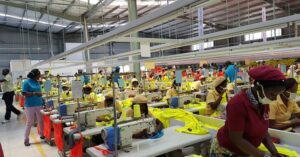
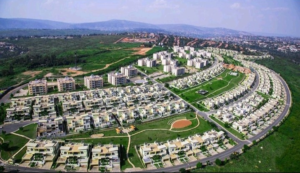
Rwanda’s growing wealthy class has also poured capital into hospitality and services, supporting the country’s ambition to become a regional conference and tourism hub. High-profile hotels such as the Kigali Serena and Kigali Marriott symbolize this strategy, hosting international summits and business travelers.
These investments proved critical during the post-pandemic recovery, helping revive tourism and service-sector employment. On the path of young Rwandans entering the workforce, hospitality has become a gateway into formal employment and skills development. While some bull’s mind are taking the horns of technology establishments, youthpresneurship-in-tech venture and other new forms of opportunities.
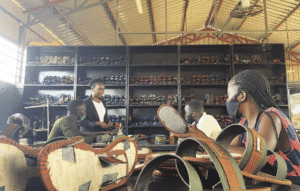
Apart from the traditional sectors, a smaller but influential group of wealthy entrepreneurs is betting on technology. Investments in payment systems, logistics platforms, and digital services align with government efforts to promote digital literacy and connectivity. In view of Rwanda’s youthful population, this tech push carries social significance. It signals a shift away from subsistence agriculture toward knowledge-based work, even if access to capital and training remains uneven. “We see tech success stories as proof that you don’t have to leave the country to innovate,” says a university student in Kigali. “But opportunities still feel concentrated among those with connections.”
The rise of multimillionaires is also reshaping family dynamics and cultural expectations. Wealth is increasingly tied to entrepreneurship rather than public office, altering traditional markers of status. Extended families often benefit through school fees, housing support, or business financing; they also face new pressures as expectations rise. Some sociologists note a growing emphasis on private education, international exposure and asset accumulation, trends that could deepen class distinctions if not matched by broad-based opportunity.
While Rwanda’s overall poverty rates have fallen, the wealth gap has widened modestly, particularly between urban elites and rural households. The government acknowledges the risk, framing inequality as a development challenge rather than an inevitable outcome.
A growing tax base from successful businesses has strengthened domestic revenue, funding public services in health, education, and infrastructure. Officials argue this fiscal independence is essential for long-term sovereignty and resilience.
Still, critics say redistribution must keep pace with accumulation. Without careful policy design, they warn, concentrated wealth could undermine the social cohesion Rwanda has worked hard to rebuild.
Rwanda’s lack of billionaires may be less significant than the trajectory it reveals. The country’s expanding multimillionaire class is not merely a symbol of success; it is a force shaping markets, labor patterns, and social expectations.
Whether this wealth ultimately expands opportunity or sharpens divides, will depend on how effectively investment is steered towards inclusive growth; and how openly its benefits are shared beyond Kigali’s rising skyline.
At the moment, Rwanda’s quiet wealth boom remains both a testament to economic transformation and a test of its promise to leave no one behind.