

Saudi Arabia Opens New Gold Market in Africa, Redrawing Trade Routes and Power Dynamics

Saudi Arabia’s launch of a new gold trading hub in Africa is reshaping a commodity corridor long dominated by Dubai, marking a pivotal shift for Sudan and its war-battered economy. In many decades, Khartoum relied on Dubai as the primary destination for its gold exports. Now, Sudanese authorities say the new Saudi-linked market promises greater transparency, security and pricing power, at a time when gold remains one of the country’s few dependable sources of foreign exchange.
Further than the balance sheets, the change carries human consequences. In Sudan’s gold-producing regions, where artisanal miners often work informally and families depend on volatile daily earnings, the promise of a more regulated export channel raises hopes of fairer prices and safer working conditions. Community leaders say improved traceability could curb exploitation by middlemen, while boosting state revenues that might translate into services in areas long neglected by the centre, if properly managed.
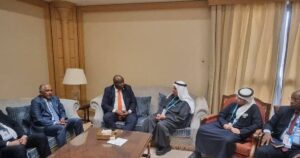
From a business perspective, Saudi Arabia’s move signals ambition to become a regional commodities powerhouse, leveraging capital, logistics and regulatory muscle to compete with Dubai’s entrenched ecosystem. For Sudanese exporters, diversification reduces single-market risk and may improve margins. Yet traders caution that success will hinge on execution: transparent licensing, reliable payments, and safeguards against illicit flows that have plagued the sector.
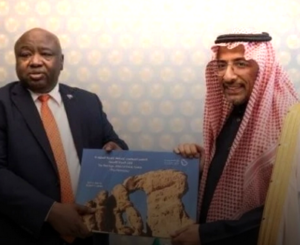
Politically, the shift reflects a recalibration of alliances across the Red Sea. Riyadh’s deeper economic engagement offers Sudan an alternative partner amid sanctions legacies and internal instability, while strengthening Saudi influence in African resource markets. Diplomats say the arrangement could encourage governance reforms in Sudan’s mining sector, but only if oversight is credible and insulated from factional capture.

Socially and culturally, gold is more than a commodity in Sudan—it is a livelihood, a store of value, and, in many communities, a rite of passage. Any restructuring of export routes reverberates through households, shaping school fees paid, clinics stocked, and migration choices made. Civil society groups warn that without local consultation, benefits may bypass the grassroots.
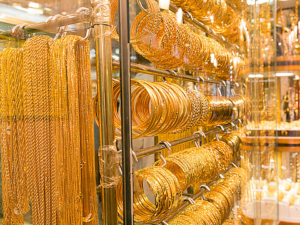
As Dubai’s dominance faces its first serious challenge in years, the real test will be whether this new market delivers on its promise. If transparency improves and revenues are shared, the shift could mark a turning point for Sudan’s mineral wealth. If not, it risks becoming another rerouted pipeline, changing destinations, but not destinies.