
Africa’s Largest Cities as Urban Giants based on Population, Economic-Power and Possibility
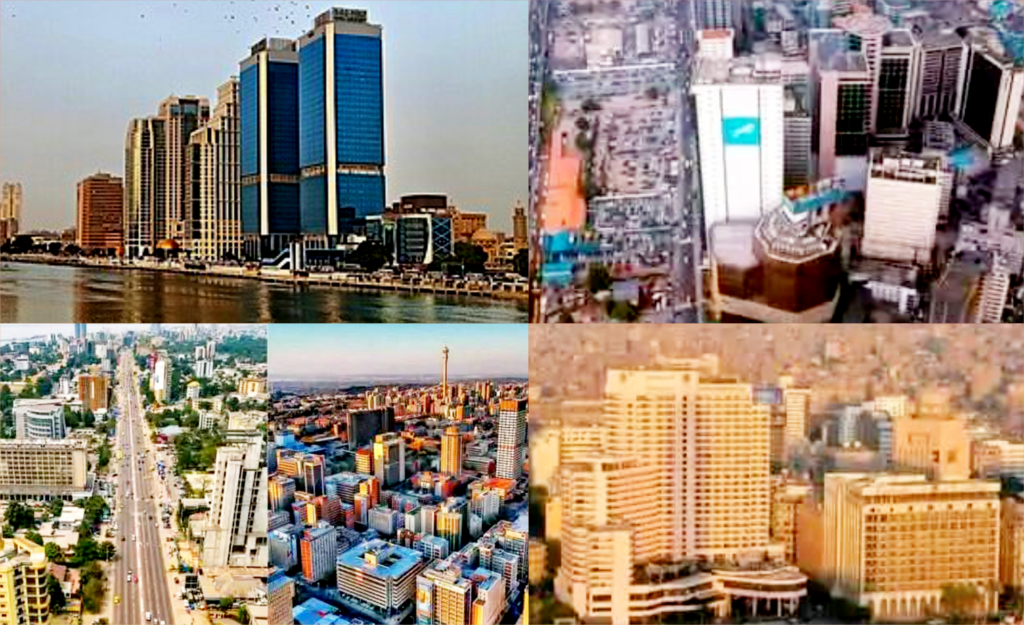
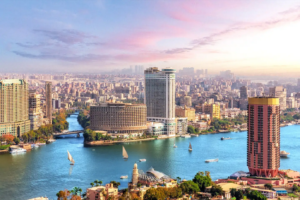
Cairo, Egypt, stretching along the life-giving banks of the Nile, Cairo stands as Africa’s largest city, with an estimated 23 to 25 million residents in its greater metropolitan area. More than a sprawling urban expanse, Cairo is a symbol of the continent’s complex interplay between history, politics, and modern life. From the ancient pyramids of Giza to the bustling streets of Tahrir Square and the lively Khan el-Khalili bazaar, the city is a living archive of civilization. Its influence extends beyond culture: Cairo is a political and economic hub, shaping policy debates in the Arab world and attracting investment from across the continent. For residents, it is a city of opportunity and challenge alike, where millions navigate daily commutes, informal economies, and an ever-changing social fabric.
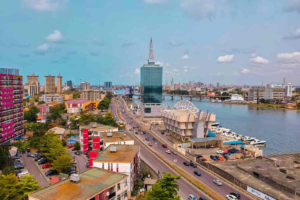
Not far behind is Lagos, Nigeria, often referred to as West Africa’s beating heart. With populations approaching 12 to 18 million, Lagos is a city defined by its energy and dynamism. The city’s growth is fueled by rural-to-urban migration, drawing young professionals, traders, and creatives seeking economic opportunity. Beyond commerce and finance, Lagos plays a pivotal role in Nigeria’s political landscape, influencing national policies while nurturing grassroots innovation in sectors like technology, arts, and social entrepreneurship. Its sprawling slums coexist with affluent neighborhoods, highlighting stark inequalities but also the resilience of communities shaping their own futures.
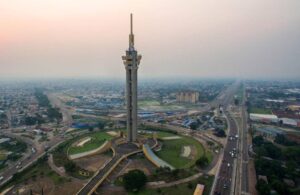
Across the continent in Central Africa lies Kinshasa, DR Congo, a city whose population ranges from 10 to over 17 million. Kinshasa embodies both the promise and the pressures of rapid urbanization. As one of Africa’s youngest cities demographically, it faces challenges in housing, transport, and public services, but it also thrives as a center of music, culture, and civic engagement. Its informal networks and markets underpin local economies, illustrating the ingenuity of residents navigating limited infrastructure while sustaining livelihoods.
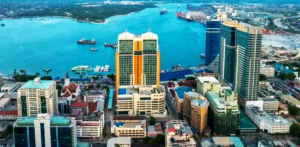
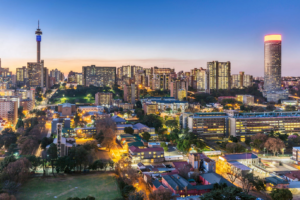
Other major urban centers reflect similar trends of population growth intertwined with economic and social transformation. Luanda, Angola, a key commercial port, has seen populations rise to over 9-11 million, driven by oil wealth and internal migration. Dar es Salaam, Tanzania, with 7-8 million residents, is emerging as a hub for East African trade and investment, balancing its historic coastal culture with a rapidly modernizing skyline. Johannesburg, South Africa, Africa’s industrial powerhouse, supports around 7 million people and continues to influence continental finance, commerce, and politics, serving as a testing ground for policies aimed at reducing inequality and fostering innovation.
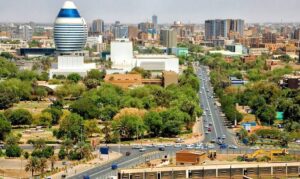
Meanwhile, Abidjan in Côte d’Ivoire remains a critical coastal city of over 5-6 million, blending French colonial legacies with local governance and entrepreneurial initiatives. Alexandria, Egypt, with more than 7 million residents, preserves its historic role as a port city and center of learning, while modern development reshapes its waterfront and urban identity. Khartoum, Sudan, home to over 6-7 million people, is a political crossroads where civil society, governance, and commerce converge. Addis Ababa, Ethiopia, with 5-6 million residents, not only anchors Ethiopia’s economy but also serves as the diplomatic capital of Africa, hosting the African Union and shaping continental policy dialogue.
The rapid growth of these cities reflects broader demographic realities. High birth rates, rural-to-urban migration and the quest for economic opportunity are reshaping Africa’s urban landscape. While population growth presents challenges, from congestion to pressure on housing and public services, it also offers transformative possibilities. Cities become hubs of political engagement, cultural exchange, and grassroots innovation. They are laboratories where policy experiments, entrepreneurial ventures, and social movements intersect.
Understanding Africa’s largest cities means looking beyond numbers. Each is a dynamic ecosystem, where human aspiration, governance, and social structures converge. From Cairo’s historic streets to Lagos’ energetic markets, these urban centers are not just population giants, they are engines of social progress, political negotiation, and human resilience. Their growth signals both challenges to be managed and opportunities to be seized, offering a lens through which the future of Africa can be imagined.