
Libya’s Energy Comeback Signals a New Chapter for African Development
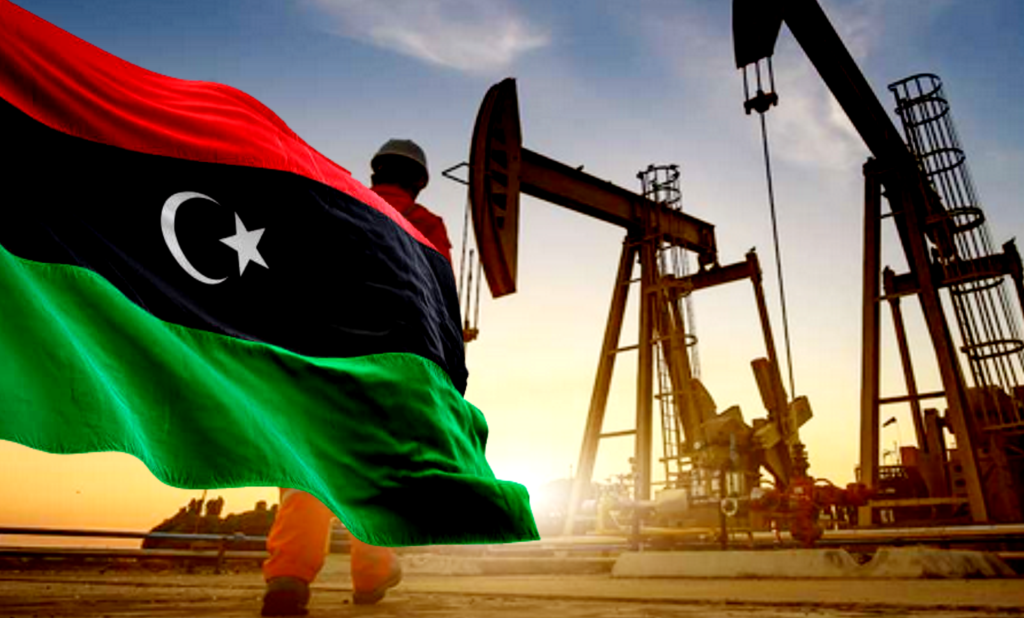
TRIPOLI, Libya’s accelerating recovery in the energy sector is beginning to reshape not only its own economic outlook but also wider conversations about energy access, political stability and regional cooperation across Africa. As production rises and long-stalled reforms take hold, industry leaders say the country’s comeback offers lessons in how energy policy can translate into tangible social and human benefits.
The African Energy Chamber (AEC) has welcomed recent gains in Libya’s oil and gas sector, pointing to a combination of renewed investment, clearer policy direction and improving operational stability. Together, these shifts are restoring confidence in a country that holds some of Africa’s largest hydrocarbon reserves yet has struggled for years to convert that wealth into consistent public services and reliable power for its citizens.
At the Libya Energy & Economic Summit (LEES) 2026 in Tripoli, government officials emphasized a renewed commitment to stabilizing production, monetizing gas resources and rebuilding investor trust. Apart from the numbers, speakers framed energy reform as a cornerstone of national recovery, tied directly to jobs creation, electricity access and the restoration of basic infrastructure.
Libya’s oil output, averaging about 1.375 million barrels per day, is at its strongest level in years. Plans for a $20 billion investment program aim to address aging infrastructure, reduce shutdowns and attract international partners back into the sector. For policymakers, oil revenues remain essential to funding schools, hospitals and transport networks, particularly in communities that have borne the brunt of years of political disruption.
But the most immediate social impact may come from gas. Libya’s strategy to raise gas production to between 700 and 750 million standard cubic feet per day is closely linked to domestic needs: powering homes, stabilizing the electricity grid and supporting local industries. Frequent blackouts have long affected households and small businesses, and officials argue that greater gas utilization could ease daily pressures while lowering reliance on imported fuels.
Energy analysts note that gas development also carries environmental and diplomatic significance. By replacing heavier fuels and reducing flaring, Libya can cut emissions while aligning more closely with international standards — a step that could improve relations with partners in Europe and the Mediterranean, where energy security remains a pressing concern.
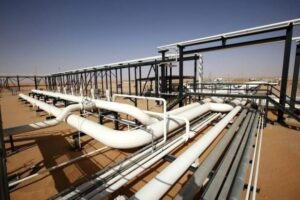
Regionally, Libya’s recovery is being watched closely. LEES 2026 highlighted opportunities for cross-border cooperation in infrastructure, skills training and investment flows across North Africa and beyond. The AEC views Libya as a potential bridge between African producers and global markets, capable of supporting regional value chains that extend benefits beyond national borders.
“Libya’s progress shows what becomes possible when political will, technical capacity and investor-friendly frameworks start to align,” said NJ Ayuk, Executive Chairman of the AEC. “The real measure of success will be whether increased production translates into electricity in homes, jobs for young people and long-term economic stability.”
Workforce development has emerged as a critical piece of that equation. Energy officials have outlined plans to expand training programs, modernize operations and increase local participation in projects historically dominated by foreign expertise. For many Libyans, especially younger professionals, these initiatives represent a pathway to skilled employment and a stake in the country’s future.
At the grassroots level, community leaders and civil society groups continue to push for transparency and accountability, arguing that energy reform must be accompanied by inclusive governance. Ensuring that revenues are reinvested locally, they say, will be key to rebuilding public trust after years of conflict and disruption.
The AEC has voiced support for Libya’s focus on efficiency, zero-flaring policies and local value creation, while stressing that sustained progress will depend on maintaining political dialogue and institutional stability. As reforms advance, the Chamber says it will continue to advocate for African-led development models that prioritize access, affordability and shared growth.
The second day of the Libya Energy & Economic Summit 2026 in Tripoli sharpened Libya’s energy narrative around scale, long-term ambition and partnership depth. From gas megaproject timelines and AI-led production optimization to renewed exploration momentum and drilling targets for 2026, discussions highlighted the breadth of Libya’s opportunity set across hydrocarbons, renewables and services.
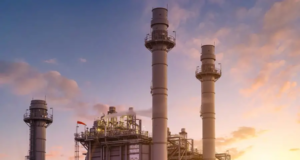
Libya Targets 70–100 Wells in 2026: Libya’s Minister of Oil and Gas announced plans to drill between 70 and 100 oil and gas wells in 2026, reflecting growing upstream activity tied to the country’s licensing round and investment framework. The drilling strategy will be supported by $3–4 billion in anticipated annual investment flows as well as new unified drilling regulations aimed at improving safety, efficiency and coordination across the sector.
Eni Details Timeline for $8B Structures A&E Gas Development: Eni reaffirmed its commitment to Libya’s gas sector, confirming that the $8 billion Structures A&E offshore development remains on track for completion by the end of 2027. Led by Mellitah Oil & Gas – a joint venture between Eni and Libya’s National Oil Corporation (NOC) – the project is expected to add around 750 million standard cubic feet per day of gas, supporting domestic demand while creating export volumes for Europe. Eni also highlighted progress at the Bahr Essalam gas compression project, scheduled to begin operations in early 2026.
SLB Expands AI and Digital Oilfield Deployment: Digital transformation featured prominently as SLB outlined plans to scale AI-driven production optimization and remote monitoring technologies across Libya in 2026. The company said AI-powered ESP surveillance, Lumi data platforms and intelligent stimulation programs are reshaping how mature fields are managed, while supporting Libya’s production targets and zero-flaring objectives. SLB also emphasized its focus on local training, with digital oilfield upskilling programs planned for Libyan engineers.
Mediterranean Deepwater Emerges as Strategic Exploration Focus: Libya’s Mediterranean offshore was positioned as a key frontier for future upstream growth, with the NOC highlighting deepwater exploration as central to unlocking new acreage and broadening international participation. With 11 offshore blocks included in the current licensing round and results expected in February 2026, industry leaders stressed the role of high-quality seismic data, improved subsurface understanding and shorter development timelines in strengthening the investment case for offshore Libya.
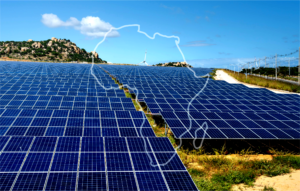
PPP Models Frame Renewable Energy Growth: Renewables discussions centered on public-private partnerships as the preferred mechanism to scale Libya’s clean energy ambitions. With a target of 4 GW of renewable capacity by 2035, speakers pointed to flagship projects such as TotalEnergies’ 500 MW Sadada solar plant as anchors for future growth. Panelists emphasized the role of solar and wind in reducing fuel consumption for power generation, while cautioning that clearer legislation and consistent regulatory frameworks will be critical to sustaining investor interest.
NESR Positions for Expanded Role in Libya: Oilfield services provider National Energy Services Reunited said it is seeking to expand its footprint in Libya, supported by more than $100 million in recently secured service contracts across North Africa. The company highlighted its regional growth strategy, technology offering and commitment to local employment through 100% national crews in Libya.
Repsol Flags Exploration-Led Growth from 2026: Delivering a video address at LEES 2026, Repsol signaled a renewed focus on exploration in Libya from 2026, positioning the country’s licensing round as a catalyst for a new growth cycle. At the El Sharara field, Repsol is targeting production of 350,000 barrels per day by end-2026, following record output in 2025, while shifting attention toward new exploration opportunities after years of limited activity.
Exploration, Expansion and the Road Ahead: Across day two of LEES 2026, discussions consistently pointed to a widening and increasingly structured energy opportunity set in Libya. With gas megaproject timelines taking shape, digital technologies reshaping production potential, renewed offshore exploration interest and clearer drilling targets for 2026, the summit positioned Libya as a market defined by scale, long-term optionality and expanding avenues for international partnership across hydrocarbons, services and renewables.
Libya’s energy resurgence, observers note, is still a work in progress. Yet, its recent gains underline a broader point resonating across the continent. When energy policy is treated not just as an economic lever but as a social and political tool, it can help lay the groundwork for recovery, cooperation and inclusive development in Libya and beyond.