

Why Africa Is the World’s Next Big Travel Destination

After the pandemic upended global tourism, travelers did not simply return to familiar routes. Many recalibrated their mindset, seeking meaning, space, wellness and authenticity. In that reset, Africa has emerged not as a niche alternative, but as a leading contender for the next phase of global travel growth.
The 2026 megatrends point in one direction: destinations that are investable, well connected and driven by compelling narratives will win. Africa increasingly fits that profile. Capital from Gulf investors, global hotel chains, tech tycoons and ultra‑high‑net‑worth individuals is flowing into what many see as one of the world’s last under‑penetrated tourism markets. From private islands to vineyards, safari lodges to skyline‑defining hotels, tourism investment is becoming both a business strategy and a statement asset. Capital and connectivity are the new luxury.
Africa’s tourism story is no longer only about raw beauty; it is about infrastructure and confidence. Expanded air routes, upgraded airports and digital booking platforms are shrinking psychological and logistical distances. At the same time, hospitality funding offers investors’ visible trophy-assets projects that indicate blooming-status while commanding premium prices.
High‑end resorts are multiplying, fuelled by post‑pandemic demand for wellness travel, eco‑friendly escapes and bucket‑list experiences. Unlike the mass tourism models of the past, many of these developments are built around sustainability and exclusivity: fewer guests, higher spend, lighter footprints.
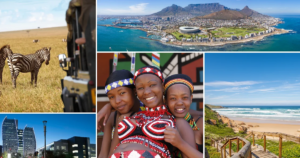



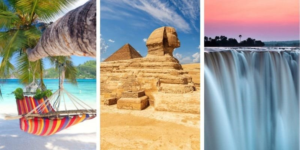

Yet, the business case extends beyond luxury. Tourism is labour‑intensive, touching construction, agriculture, transport, arts and retail. In countries grappling with unemployment and uneven growth, even in South Africa among, the sector is viewed as a fast multiplier for jobs and small enterprises. Families, communities and local business ownership get benefits extension.
Behind the glossy brochures are families whose livelihoods depend on the flow of visitors. Community‑run lodges, cultural villages and locally owned tour companies are increasingly central to the new tourism pitch. As concerning travelers and residents, these offer authenticity and agency services.
The shift toward local ownership matters politically and socially. Tourism has historically reproduced colonial patterns with foreign capital extracting values, while communities remain marginal. New models, including public‑private partnerships and community equity stakes, aim to reverse that balance, though success remains uneven.
Culturally, tourism is reshaping how stories are told. From contemporary African cuisine to fashion, music and heritage sites, destinations are asserting narratives beyond wildlife and beaches. This narrative‑led approach aligns with a global audience hungry for context and connection, not just consumption. But this might be hanging on the anchor of politics, populism and payment pressures relatively.
The boom unfolds against a complex backdrop. Getting paid by tourists, platforms or employers, remains a global problem; and South Africa sits near the top of this stress curve. Rising populism across regions has sharpened debates about who benefits from growth and who is left behind.
Governments face a delicate task of attracting foreign capital, while ensuring that fair regulation, labour protections and community returns ensue. Visa policies, safety perceptions and political stability remain decisive. Where states communicate clearly and invest consistently, tourism thrives; where policy lurches, investors hesitate. Also, there must be the readiness for technology entrance and education for the local to generate some level of human capital.



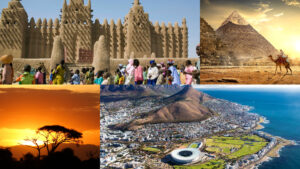

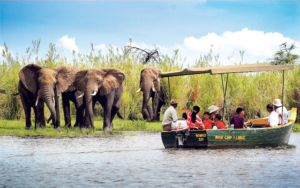
Education and technology are growing across the continent, promising to upskill a youthful population for service, management and digital roles within tourism. The question is, the readiness in place. Connectivity gaps, uneven schooling and affordability risks could widen inequalities if tech adoption outpaces inclusion. Still, the direction of travel is clear. Digital payments, remote work visas and AI‑driven marketing are lowering barriers for African destinations to compete globally. The countries that align skills, infrastructure and policy will capture disproportionate gains. But why Africa, and why now?
Africa’s appeal rests on timing as much as assets. As traditional destinations grapple with overcrowding, climate strain and cultural fatigue, Africa offers space that is physical and imaginative. Its cities are young, its landscapes vast and its stories unfinished.
This does not guarantee a smooth ascent. The new tourism boom will test governance, sustainability and social contracts. But if managed with care, Africa’s next era of travel could deliver more than luxury escapes. It could finance conservation, strengthen communities and reposition the continent as the world’s last frontier and as its most forward‑looking destination.