
Libya: Killing of Saif al-Islam Gaddafi’s Son, Might Rear a New Political Chaos in a Fractured Political Order
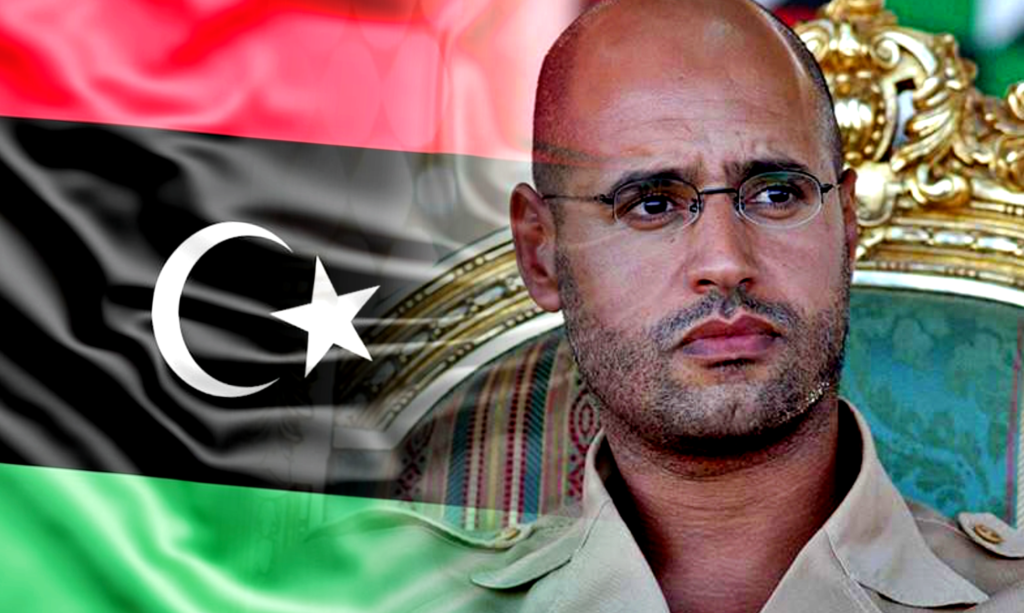
Saif al-Islam Gaddafi, the most prominent son of Libya’s former leader Muammar Gaddafi, has been killed in what authorities and family-linked sources describe as a targeted attack, strengthening uncertainty in a country still struggling to emerge from years of political fragmentation and militia rule.
Libya’s attorney general’s office said investigators and forensic doctors examined his body on Tuesday and determined he died from gunshot wounds. A statement added that an investigation was under way to identify suspects and pursue criminal charges, though no group or individual has claimed responsibility.
The death was first reported by sources close to the Gaddafi family, his lawyer Khaled el-Zaydi, and Libyan media. Conflicting accounts have since emerged. El-Zaydi said that a four-man commando carried out an assassination at Saif al-Islam’s home in the western city of Zintan. In a separate version, his sister told Libyan television that he died near Libya’s border with Algeria, underscoring the opacity that often surrounds high-profile killings in the country.
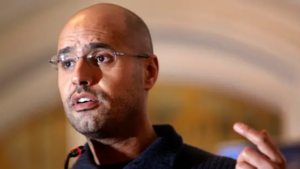
Once widely seen as his father’s heir apparent, Saif al-Islam at 53, had largely retreated from public view in recent years, but his name continued to carry political weight. Before the 2011 uprising that toppled the Gaddafi regime, he was a central figure in shaping policy and presenting a reformist image abroad, despite holding no formal government post. He played a key role in negotiations that led Libya to abandon its nuclear weapons programme, paving the way for the lifting of international sanctions and a cautious rapprochement with Western governments.
At home, his legacy remained extremely divisive. Many Libyans associate him with the violent suppression of protests during the 2011 revolution. A Tripoli court sentenced him to death in absentia in 2015 for his alleged role in the crackdown. The International Criminal Court has also sought his trial on charges of crimes against humanity, a case his lawyers failed to dismiss. Saif al-Islam consistently denied wrongdoing.
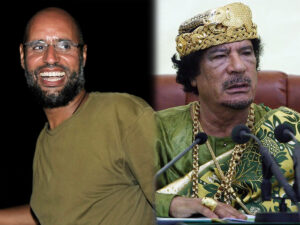
After his father’s fall and death, Saif al-Islam was held for nearly six years by a militia in Zintan, reflecting the rise of armed groups that filled the power vacuum. He was later released under an amnesty law by authorities in the east, highlighting Libya’s parallel legal and political systems. Since 2014, the country has been split between rival governments and a patchwork of militias, with repeated efforts at national reconciliation faltering.
In 2021, Saif al-Islam re-entered the political arena by registering as a presidential candidate, a move that stirred both support and outrage. Some supporters, particularly in areas nostalgic for pre-2011 stability, viewed him as a unifying figure capable of challenging the post-revolution elite. Critics saw his candidacy as an attempt to rehabilitate a discredited past. The election was ultimately postponed indefinitely amid a broader political deadlock.
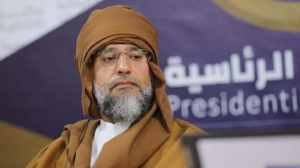
His killing now raises fresh questions about Libya’s fragile security environment and the fate of political figures linked to the old regime. Analysts say the assassination could deter other controversial actors from re-emerging, while also inflaming grievances among his supporters, especially if the investigation stalls or is seen as politicised.
To the ordinary Libyans, the episode is another reminder of a state where justice remains elusive and political disputes are often settled outside formal institutions. As authorities promise accountability, many will be watching whether this case will mark a step toward the rule of law, or become another unresolved chapter in Libya’s long post-revolution turmoil.