
Diplomatic Petition, as Bobi Calls for Uganda’s Suspension from the Commonwealth
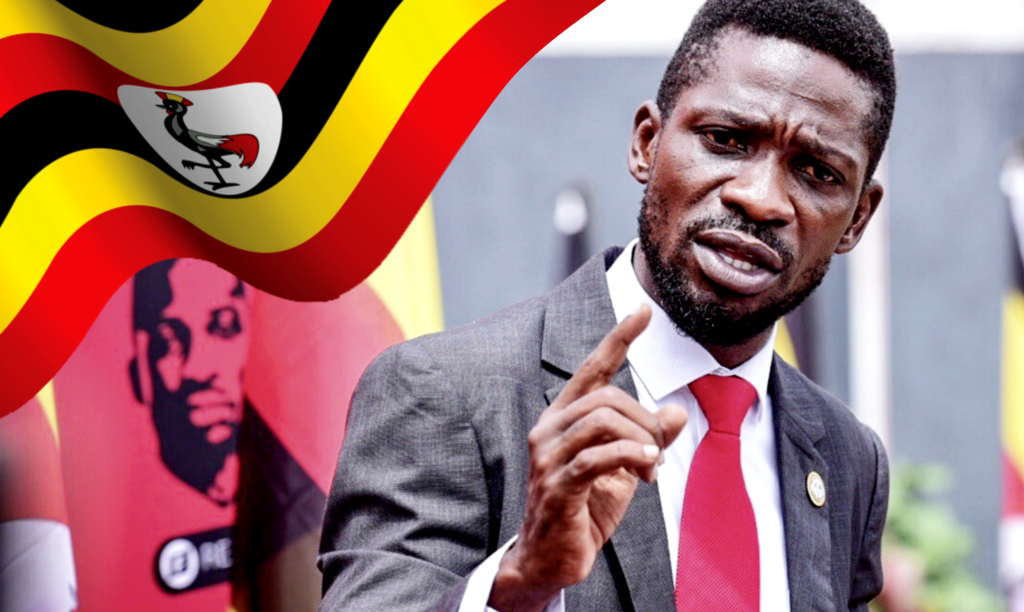
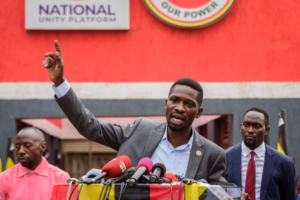
A formal petition submitted through a London-based law firm has asked the Commonwealth to suspend Uganda, citing what it describes as serious and persistent breaches of the Commonwealth Charter and the Harare Declaration. The request, filed by opposition leader Robert Kyagulanyi Ssentamu, widely known as Bobi Wine, raises the stakes in a long-running dispute over human rights, electoral integrity and the future of democratic governance in the East African nation.
The petition follows the disputed 2026 general elections and a wave of post-election security operations that opposition figures say amounted to a crackdown on dissent. In a dossier delivered to the Commonwealth Secretariat at Marlborough House, Wine alleges a pattern of state actions ranging from the militarization of polling-boots to restrictions on assembly and communication that he argues undermine the bloc’s core commitments to democracy, rule of law and human dignity. “This is not about punishment for its own sake”, Wine said in a statement. “It is about accountability, and about restoring the rights and protections that ordinary Ugandans are entitled to under international commitments their government has signed”.
Suspension from the 56-member Commonwealth is rare and politically consequential. Membership confers diplomatic prestige, access to technical assistance, election observation and trade and education networks. Advocates of the petition argue that these benefits should be tied to compliance with shared values; and that withdrawal or suspension can create leverage for reform.
The strategy recalls Zimbabwe’s 2003 exit from the Commonwealth after mounting criticism over governance and elections. While the threshold for suspension remains high, diplomats familiar with the process say the petition could prompt scrutiny by the Commonwealth Ministerial Action Group (CMAG), the body tasked with responding to serious or persistent violations of the Charter.
This case poses a reputational challenge for the Commonwealth itself. The organization has often been accused by civil society groups of favoring quiet diplomacy over decisive action. They argue that the Uganda’s situation will test whether the bloc can balance engagement with accountability in a polarized global climate. Which involves a vast human costs and social strain.
Apart from diplomatic maneuvering, the petition foregrounds the human consequences of political instability. Community organizers and legal advocates say prolonged election disputes and security responses have disrupted livelihoods, expanded mistrust between citizens and institutions and placed new pressures on families, particularly youth and informal workers who form the backbone of opposition support.
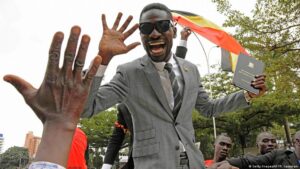
Grassroots groups report that restrictions on public gatherings and communications have narrowed civic space, making it harder for communities to organize peacefully or access legal remedies. As for many supporters of the petition, international attention is seen not as an end in itself but as a means to reopen domestic dialogue and protect basic freedoms, for political advancement, or to birth a future stem of isolation.
Critics of the petition, including officials in Kampala, dismiss it as “foreign-backed theater” and insist the elections met national standards. They warn that suspension could deter investment and complicate regional cooperation. Supporters counter that durable economic growth depends on political stability and credible institutions; and that accountability can over time, strengthen both.
The dossier also references statements by senior security figures, which human rights groups say have escalated tensions. While the government maintains that these remarks have been taken out of context, their inclusion emphasizes broader concerns about civil-military relations and political succession.
If the Commonwealth initiates a review, the process would involve consultations with Ugandan authorities, civil society and regional partners. Outcomes could range from recommendations and monitoring to targeted measures short of suspension. Even without immediate sanctions, observers say the petition has already shifted the conversation, moving Uganda’s post-election crisis from domestic courts and streets, to international forums.
The Bobi Wine and his supporters’ petition move, reflects a belief that domestic institutions have been compromised, leaving external pressure as a last resort. On the part of the Commonwealth, the decision will signal whether its Charter is a living document or a statement of intent without enforcement.
As Uganda navigates a tense political moment, the petition has reframed the debate away from who won an election to the standards that bind nations together and the social contract between a state and its people.