

After 37 Years, Nigeria Set to Pay A State Visit to the UK, beyond the Palace Gates
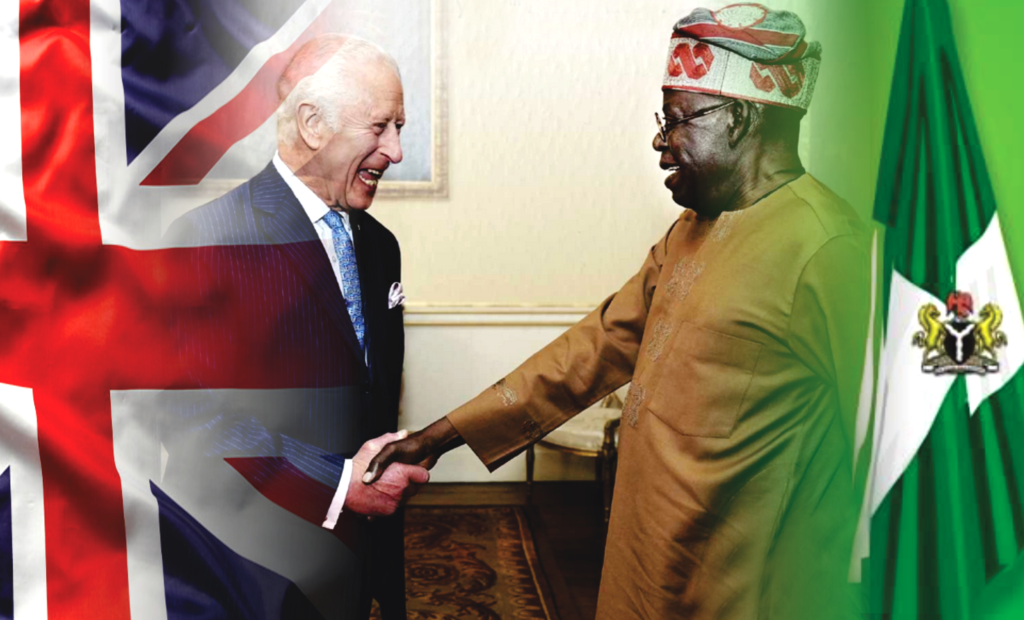
In 37 years, a Nigerian president will undertake a full state visit to the United Kingdom for the first time, marking a symbolic and strategic moment in the long, complex relationship between the two countries. President Bola Ahmed Tinubu accompanied by First Lady Senator Oluremi Tinubu, is scheduled to visit the UK from Wednesday, March 18 to Thursday, March 19, 2026, following an official invitation from King Charles III.
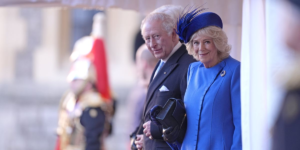
Buckingham Palace confirmed the visit on Sunday via the Royal Family’s official X (formerly Twitter) account, announcing that King Charles and Queen Camilla will host the Nigerian leader and First Lady at Windsor Castle. The last time Nigeria was accorded a state visit of this nature was in 1989, when military ruler General Ibrahim Babangida met Queen Elizabeth II. This is a reminder of how rare and politically weighted such invitations are.
While President Tinubu has previously met King Charles since assuming office after Nigeria’s 2023 election, in different instances including encounters at Buckingham Palace in 2024, and during the COP28 climate summit in Dubai, a state visit apparently carries a stronger diplomatic meaning. Unlike routine bilateral meetings, state visits are reserved for governments that the UK seeks to prioritise, combining ceremonial pageantry with political gestures.
At a practical level, the visit comes during a steadily improving economic and diplomatic ties between Nigeria and the UK. Trade between both countries exceeded £8 billion in the year to October, according to UK government figures, positioning Nigeria as one of Britain’s most important partners in Africa. In 2024, the two governments signed a new trade and investment partnership aimed at expanding business opportunities particularly in energy, infrastructure, technology and services.
Analysts say the significance of the visit may ultimately rest less in royal carriages and banquets, and more in what follows, but for the ordinary Nigerians. Nigeria at the moment faces persistent challenges from youth unemployment and inflation to economic hardship, transit social-inconveniences, less energy access and climate vulnerability. These and more, are areas where robust cooperation could translate into creation of jobs, investments, skills development, and direct-feel of the economic impact on the street, back home. Well, the UK-backed initiatives already operating in Nigeria, including programmes focused on entrepreneurship, education and clean energy, could gain renewed momentum from the visit.
 There is also a political dimension. State visits are a form of soft-power diplomacy, using royal hospitality to elevate relationships further than transactional exchanges. Even so, the invitation offers international validation at a time when President Tinubu’s administration continues to face domestic scrutiny over economic reforms and governance. While to the UK, it reinforces Nigeria’s role as a regional power, a Commonwealth partner and a key voice on African and global issues.
The full agenda for the March visit has not yet been disclosed, but state visits typically include ceremonial processions, a state banquet, meetings with senior UK political leaders, etc. Such encounters often provide space for silent negotiations on security cooperation, migration, climate finance and educational exchanges, which are issues that directly affect millions of Nigerians, including the country’s large diaspora in the UK.
King Charles III’s personal ties to Nigeria, add a cultural layer to the occasion. The monarch has visited the country four times, in 1990, 1999, 2006 and 2018, before his accession; and has spoken publicly of his affection for Nigerian Pidgin English and Afrobeats music. In 2023, The King’s Trust International, formally launched operations in Nigeria, announcing projects aimed at tackling youth unemployment, as a priority for a country where more than half of the population is under 30.

The visit also mirrors a bigger official outline in the King’s reign. In 2025 alone, he hosted three state visits from France, the United States and Germany. The highest number in a single year since 1988. Nigeria’s inclusion in this circle accentuates its strategic relevance, at a time when the UK is redefining its global partnerships post-Brexit.
Whether the February 2026 visit will become a turning point or a missed opportunity, will depend on what concrete outcomes would emerge afterward. To many Nigerians, the real measure of success from this visit will not be the grandeur of Windsor Castle, but that the UK-Nigeria relations deliver tangible economic benefits on the ground, and a stronger voice for Nigeria on the world stage.