
The World’s Weakest International Passports in 2026, Trapped by Borders
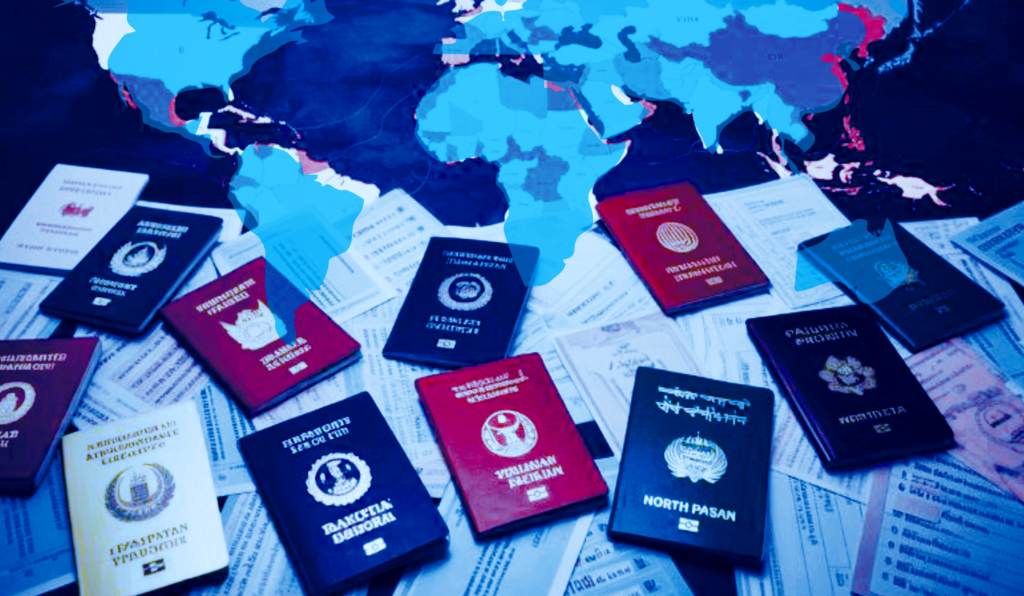
Millions of people see a passport measure of freedom, more than a travel document, as an opportunity to access global transitions. But, the Henley Passport Index 2026 once again exposes a stark reality that where you are born still largely determines how freely you can move through the world.
Based on data from the International Air Transport Association (IATA), the index ranks passports by the number of destinations their holders can access without a prior visa, including visa-free entry, visas on arrival and electronic travel authorisations. At the bottom of the 2026 ranking, just 10 countries account for the world’s weakest passports, highlighting a widening gap between nations with global mobility and those effectively locked behind borders.
As for the citizens of Eritrea, North Korea and the Palestinian Territory, they jointly ranked 94th position with access to just 38 destinations. As their traveling restrictions are shaped much more by politics than just paper-works. North Korea’s isolationist policies and international sanctions make outbound travel rare. Palestinians, whose statehood is only partially recognised, face intense security checks and limited control over borders. Eritrea’s prolonged militarisation and history of conflict, continue to restrict its citizens’ mobility.

At rank 95, Bangladesh passport offers visa-free access to 37 destinations. Despite steady economic growth and one of the world’s largest migrant workforces, concerns over irregular migration, overstays, and limited reciprocal visa agreements, continue to weigh heavily on its passport power.

Nepal, ranked 96 with access to 35 destinations, presents a different case. Politically stable and peaceful, the country lacks the diplomatic leverage and bilateral visa-waiver deals that translate stability into travel freedom.
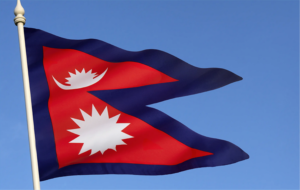
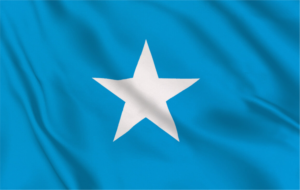
Years of state collapse and insecurity, keep Somalia near the bottom at rank 97, with access to 33 destinations. Persistent concerns about governance, documentation and migration risks, cast-in Somali passport holders among the most restricted travelers globally.
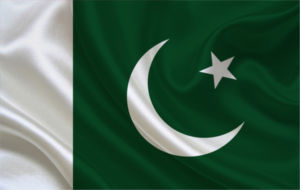
Sharing rank 98 are Pakistan and Yemen, each with access to 31 destinations. Yemen’s ranking reflects the devastation of a prolonged civil war, while Pakistan’s position is shaped by regional tensions, security perceptions and strained diplomatic relationships.

At rank 99, Iraq offers visa-free access to just 29 destinations. Although the country has made strides toward rebuilding after decades of conflict, the legacy of war and ongoing regional instability continues to shadow its citizens abroad.

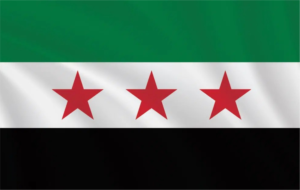
Syria, ranked 100 with 26 destinations, remains one of the most restricted passports in the world. Years of civil war, sweeping sanctions and heightened global security screening have left Syrians facing some of the toughest visa regimes anywhere.
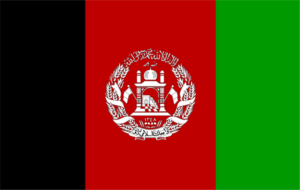
At the very bottom is Afghanistan, ranking 101st, with access to only 24 destinations. The weakest international passport globally in 2026. Decades of conflict, limited international recognition and fragile diplomatic ties have combined to severely limit Afghan citizens’ ability to travel, study, work, or seek refuge abroad.
Furthermore, these rankings reflect the realities of life, missed education opportunities, restricted business growth, family separations and a sense of global exclusion. As wealthy nations continue to expand visa-free access among themselves, the Henley Index highlights an uncomfortable truth that international passport inequality transcends just traveling.