
Nigeria to Begin Electric Vehicle Manufacturing, Backed by South Korean Technology
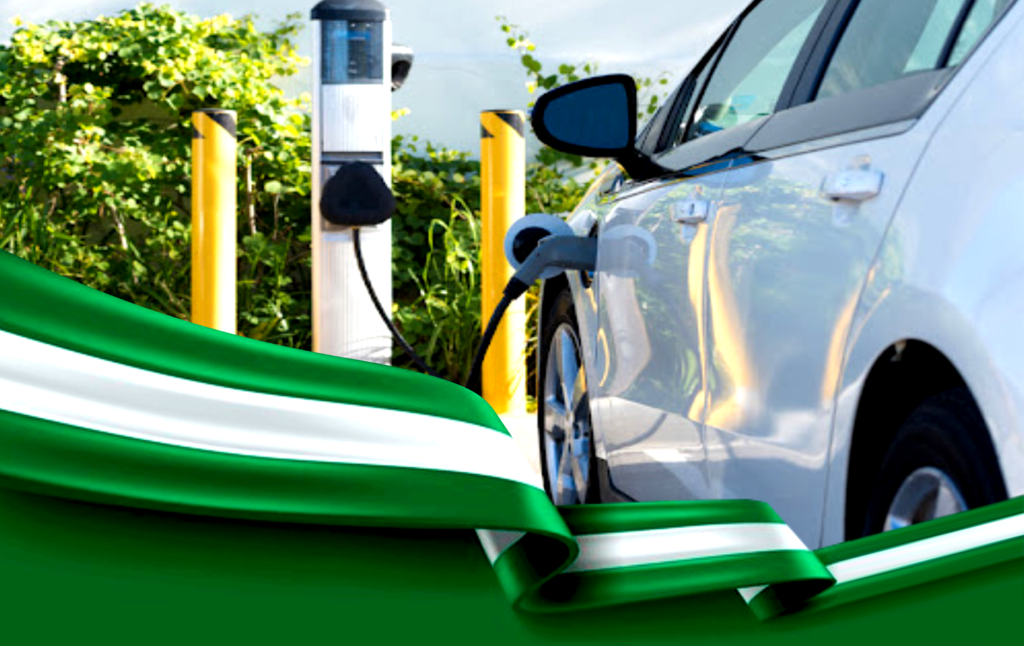
Nigeria’s push to enter the electric vehicle (EV) era took a significant step forward with the signing of a Memorandum of Understanding between the federal government and South Korea’s Asia Economic Development Committee (AEDC), setting the stage for what officials describe as Africa’s first large-scale EV manufacturing plant and a nationwide charging network.
The agreement, signed in January by the Minister of State for Industry, Senator John Enoh, and AEDC Chairman Yoon Suk-hun, is being framed by government agencies as more than an industrial deal. Backed by the National Automotive Design and Development Council (NADDC), the project is intended to anchor local vehicle production, reduce Nigeria’s dependence on imported used cars, and expand access to cleaner transport options for ordinary Nigerians.
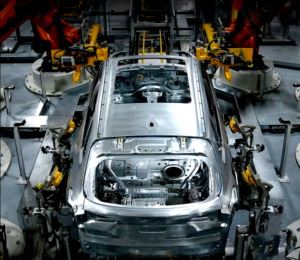
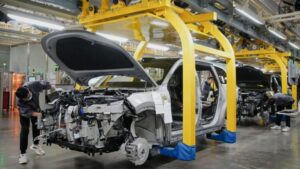
At full capacity, the planned facility is expected to produce up to 300,000 electric vehicles annually and create about 10,000 direct jobs. For communities around the proposed plant site, that promise goes beyond headline figures. Local suppliers, technicians, logistics workers and small businesses could see new demand if the project progresses from assembly to full manufacturing, as outlined by the NADDC. The council says the phased approach is designed to ensure skills transfer, local component development and long-term sustainability rather than a short-term assembly operation. “This is about building an ecosystem”, the NADDC said in a statement, pointing to technology transfer, research and innovation as central goals. This project could offer pathways into advanced manufacturing for young engineers and technicians.
Politically, the agreement aligns closely with Nigeria’s National Energy Transition Plan and the National Automotive Industry Development Plan, both of which aim to position the country as a regional manufacturing hub while cutting emissions. The Senate’s passage of the Electric Vehicle Transition and Green Mobility Bill in 2025 laid the legal groundwork, mandating charging infrastructure, offering tax incentives and tightening requirements for foreign automakers operating in Nigeria.
While officials have highlighted production targets and job numbers, no clear timeline has been announced for when assembly will begin or when full manufacturing is expected. Public statements have also varied on specific dates, an inconsistency that underscores broader concerns about implementation rather than intent. Analysts note that Nigeria has announced ambitious automotive projects in the past that stalled due to financing gaps, policy reversals or infrastructure constraints.
Those challenges are real. Nigeria imports between 400,000 and 720,000 vehicles each year, most of them used petrol or diesel cars. In 2024 alone, passenger car imports were valued at over $1 billion, making the country one of the world’s largest markets for pre-owned vehicles. High costs, unreliable power supply and limited local parts production have long undermined domestic manufacturing.
To address the demand, the federal government launched a ₦20 billion consumer credit scheme in December 2024 to support the purchase of locally assembled electric cars, motorcycles and tricycles. The programme partners with Nigerian manufacturers such as Innoson, Nord and PAN, as well as newer EV firms, with the aim of making electric mobility accessible beyond elite urban buyers. At the state level, Lagos has already introduced electric buses, offering a glimpse of how EVs could reshape public transport if charging infrastructure expands.
Across Africa, EV adoption remains modest. Fewer than one percent of vehicle sales on the continent are electric, constrained by cost and limited charging networks. Ethiopia, Ghana and Morocco lead in adoption, largely through two-wheelers and commercial fleets. Nigeria’s deal with AEDC stands out for its scale and its explicit focus on full manufacturing and infrastructure, not just pilot projects.
To the commuters facing rising fuel prices, mechanics worried about changing technologies and policymakers under pressure to deliver window of employment, the stakes are high. If successfully implemented, the project could lower long-term transport costs, reduce urban air pollution and signal that Nigeria can compete in green industrialisation. If it falters, it risks becoming another ambitious announcement that never quite reaches the street.
In meantime, expectations are cautiously optimistic. The agreement marks a clear political statement about Nigeria’s industrial direction. Whether it translates into affordable electric vehicles on Nigerian roads will depend on execution, transparency and sustained policy support long after the signing ceremonies fade.