
Ghana Pays-off $910million Domestic Debt Interest, Breathing Signs of Economic Stabilization
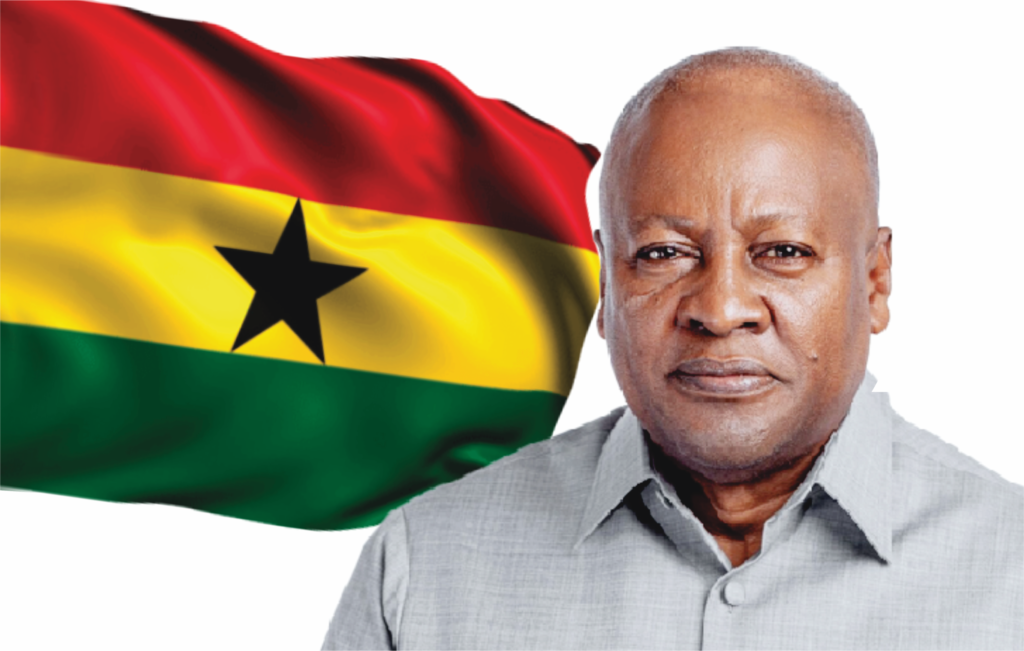
Ghana has paid 10 billion cedis (about $910 million) in interest under its Domestic Debt Exchange Programme (DDEP), marking the sixth coupon settlement since the country launched a sweeping restructuring at the height of its economic crisis.
The Ministry of Finance announced Wednesday that the latest payment made fully in cash, points to improvement in fiscal strength and a gradual return of confidence in the West African nation’s battered financial system. It is the second consecutive coupon disbursement without any “payment-in-kind” component, a shift officials say reflects stronger liquidity and a more stable revenue outlook.
The DDEP was introduced in December 2022 after Ghana lost access to international capital markets amid soaring inflation, a sharp depreciation of the cedi, and mounting debt servicing costs. Nearly 137 billion cedis of domestic bonds were restructured, with investors exchanging old securities for new ones carrying lower interest rates and extended maturities. While the move eased immediate fiscal pressure, it came at a cost. Banks, pension funds, insurance firms and individual bondholders, absorbed significant losses, raising concerns about financial sector stability and long-term trust in government securities.
By honoring the latest $910 million obligation in full cash, authorities are attempting to reinforce the credibility of the restructuring programme and reassure both institutional and retail investors that the sacrifices made during the exchange are being matched by disciplined fiscal management. “This payment is not just a financial transaction, it is a signal”, a senior finance official said, pointing to the government’s broader strategy to restore Ghana’s creditworthiness and stabilize the domestic debt market.
The implications are intensely social, away from the bond markets. Domestic banks hold large portions of government securities that support savings accounts, pension funds and credit lines for small businesses. Delays or partial payments could have constrained lending, slowed economic activity and affected households that are already coping with higher living costs.
Economists noted that consistent coupon payments help protect pensioners whose retirement funds were heavily exposed to government debt. Asset managers representing teachers, civil servants and informal sector workers had warned during the restructuring that uncertainty over repayments could erode long-term savings confidence. It is said that the stability of domestic debt repayments translates directly into public trust. If government paper becomes unreliable, the ripple effects would reach families, entrepreneurs and local communities.
Nationally the cash settlement strengthens the Ghanaian government’s narrative that its fiscal consolidation plan is bearing fruit. After facing public criticism during the debt exchange, including protests from organized labour and pensioner groups, the administration has framed recent payments as proof of responsible stewardship and improved macroeconomic management. Also, diplomatically consistent debt servicing bolsters Ghana’s standing with multilateral partners and credit rating agencies monitoring the country’s post-crisis trajectory. International observers have stressed that rebuilding domestic market confidence is essential before Ghana can fully normalize borrowing operations.

The government has indicated plans to cautiously return to the domestic debt market this year. A process that will test investors’ appetite after years of turbulence. On the other hand, forecasters say the success of that re-entry will depend on continued moderation of inflation, exchange rate stability and transparent communication with market participants, to bring in gradual normalization.
The finance ministry officials reiterated that fiscal consolidation remains central to the recovery strategy. Authorities aim to reduce inflation, strengthen revenue collection and rebuild buffers within the financial system. Thus far, the full cash coupon payment offers a tangible marker of modest symbolical and significant progress, in a recovery process that is as much about rebuilding confidence as balancing budgets.
As Ghana navigates its path out of crisis, the ability to meet domestic obligations consistently may prove decisive for market credibility, and the broader social contract between the state and its citizens.