

Across the Border Mozambique’s Appetite for Zimbabwean Produce Opens New Economic Pathways
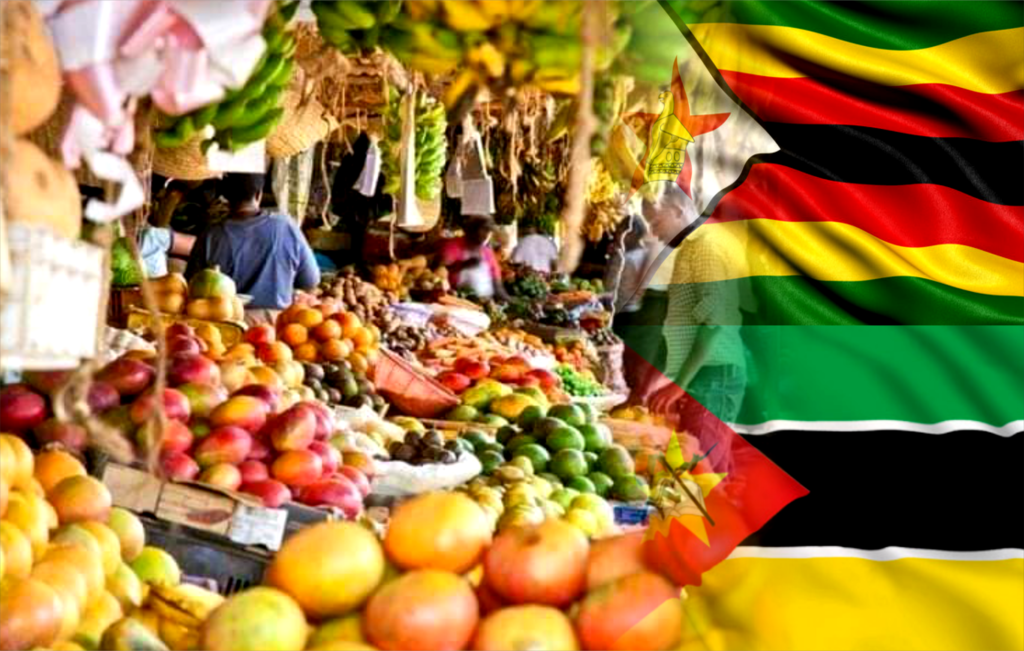
Demand for Zimbabwean agricultural products is quietly reshaping trade and livelihoods along the border with Mozambique, where farmers, retailers and policymakers are increasingly recognizing the value of robust agricultural cooperation between the two neighbours.
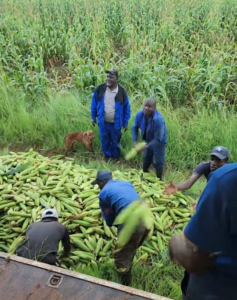
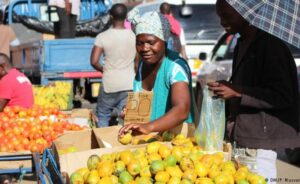
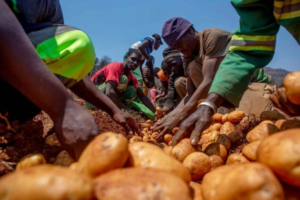
With ordering-call from potatoes, tomatoes to eggs, poultry and beef, Zimbabwean produce has gained a strong reputation in Mozambican markets, particularly in border regions such as Manicaland. Traders say the appeal is straightforward because of consistent quality, competitive prices and the advantage of geographic proximity that allows food to move quickly from farms to market stalls, supermarket shelves and hotel kitchens. Farmers in eastern Zimbabwe see that the growing appetite across the border, represents a greater export opportunity. It is also a chance to stabilise incomes, reduce post-harvest losses and integrate smallholder producers into a regional food supply chain that continues to expand as Mozambique’s cities grow. A market driven by quality and proximity for Africans by Africans, and from one African destination to another, within Africa.


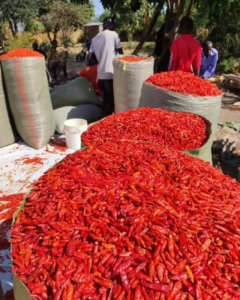
Mozambique’s fast-growing urban centres, combined with a booming hospitality and tourism sector, are driving demand for fresh produce and processed food products. Supermarkets and hotel chains increasingly seek reliable suppliers capable of delivering consistent volumes of fruits, vegetables, meat and dairy products. Zimbabwean farmers have gradually filled the part of that gap, as against importation from the western world. Livestock, eggs and vegetables from Zimbabwe are widely regarded in Mozambican markets as higher quality compared to many locally available alternatives. At the same time, the short transport distance across the border helps keep products fresh while lowering logistical costs.
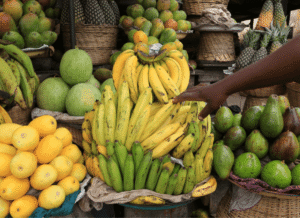
The result is a mutually beneficial trade corridor where both formal exporters and informal traders move food products daily between the two countries. Far from the fresh produce, Mozambican retailers have also expressed interest in Zimbabwean manufactured food items, including beverages, bread, cereals and dairy products. Fresh produce such as cabbages, potatoes, onions, lettuce, carrots, apples, grapes and blueberries are also in growing demand. The trade opportunity, offers more affordable and diverse food options for Mozambican consumers. While it opens a readily available consumers’ market for Zimbabwean farmers, just a few hours away.
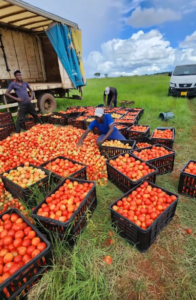
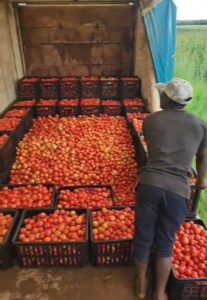
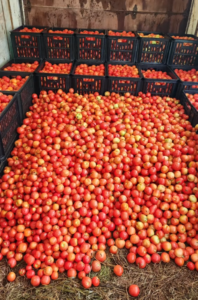
This is an awesome grassroots trade sustaining neighbouring country/border communities and powering both economies. In towns near the frontier, cross-border trade has long been part of daily life. Small-scale farmers and traders also frequently move produce to nearby Mozambican markets, where demand often outstrips local supply. These exchanges, though sometimes informal, play an important role in sustaining rural economies for many smallholder farmers. In one way or another, peasant farmers selling across the border, provide a more reliable source of income than local markets that get saturated during harvest periods. So, some officials say formalising and expanding this trade, could unlock significant economic benefits for both countries while improving food security in the region. This opinions suggest a view at political backing for agricultural cooperation.
Recognising the opportunity, leaders in both countries have begun to emphasise agricultural collaboration as part of broader economic ties. Zimbabwean President Emmerson Mnangagwa has repeatedly called for stronger agricultural partnerships with Mozambique under the framework of the Zimbabwe–Mozambique Joint Permanent Commission on Cooperation, a bilateral platform designed to strengthen trade and investment. Zimbabwe’s ambassador to Mozambique, Victor Matemadanda, recently reiterated that policy direction during engagements with officials in Sofala Province. According to the ambassador, the goal is to facilitate collaboration between farmers from both countries, encouraging knowledge exchange, improved production methods and joint efforts to strengthen regional food security.
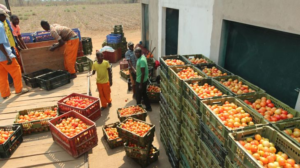
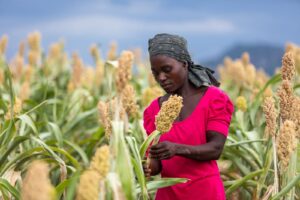
Zimbabwe’s export promotion agency ZimTrade, has also organised trade missions to Mozambican cities such as Beira, Chimoio and Tete, allowing businesses to explore partnerships and identify supply opportunities. Thus, the “African scenario” of bottlenecks, slows a growing trade.
Despite strong demand and political support, bureaucratic hurdles continue to complicate agricultural exports. One of the main challenges is obtaining phytosanitary certificates for plant-based exports. The certification process, which verifies that produce is free from pests and diseases, requires inspections of farms and shipments before goods can cross the border. Limited inspection capacity often leads to delays, which is a major concern for exporters dealing with perishable goods such as vegetables and fruits. Regarding small-scale farmers in particular, long waiting times at border posts can reduce profitability or force traders to rely on informal channels.
Zimbabwe’s Consul General in Mozambique, Malvern Bere, has warned that these bottlenecks risk discouraging farmers who would otherwise supply Mozambican markets. He cited a recent request from Mozambican hotels for 90 tonnes of cabbages, an order Zimbabwean exporters were unable to fulfil due to supply and logistical constraints. The missed opportunity highlights a wider gap between demand and export readiness. A widening challenge of trade imbalance.
Trade statistics suggest that while commerce between the two countries is expanding, the balance is shifting. According to UN Comtrade data, Zimbabwe’s exports to Mozambique declined from US$326 million in 2020 to US$245 million in 2024. During the same period, imports from Mozambique rose sharply from US$143 million to US$404 million. What was once a US$183 million trade surplus for Zimbabwe in 2020 has gradually turned into a deficit that reached US$159 million by 2024.
Much of Mozambique’s exports to Zimbabwe are energy-related, including refined petroleum, soybean oil and electricity. Zimbabwe’s exports, by contrast, remain concentrated in minerals such as chromium ore, along with raw sugar and processed tobacco. Some economists say expanding agricultural exports, could help diversify Zimbabwe’s trade portfolio, while reducing reliance on a narrow set of commodities. So, there is a need to build the infrastructure that meets demand.
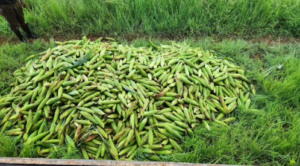
Efforts are now underway to strengthen the agricultural supply chain supporting cross-border trade. Zimbabwean and Mozambican authorities are discussing the establishment of a central cold storage facility in Mozambique. The proposed facility would allow farmers to aggregate, store and distribute fresh produce more efficiently. Cold storage could significantly reduce post-harvest losses and help exporters fulfil large supermarket and hospitality contracts that require consistent volumes. This infrastructure could transform a fragmented trade into a coordinated supply network for farmers operating in provinces near the borderline.
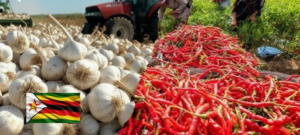
As Mozambique’s cities are expanding and its middle-class clime is growing, there is an expected demanding-surge for reliable food supplies to rise further. And in respect to Zimbabwean farmers and agro-processors, the opportunity is not a distant theoretical expression. It lies directly across the border for them; in a market already familiar with their products and are eager for more. Hence, the challenge now is aligning production, logistics and policy support to meet the rising demand.
With political goodwill in place and trade channels already established, agricultural cooperation between the two countries could become one of Southern Africa’s most practical examples of regional economic integration, driven by governments, farmers, traders and consumers on both sides of the border.