

UK Braces for Violent Gales and Snow as Winter Front Exposes Infrastructure and Community Risks

The United Kingdom is preparing for a burst of severe winter weather as powerful winds, heavy snow, and freezing temperatures sweep across northern and western regions, raising concerns not only about travel disruption but also about the vulnerability of communities and infrastructure in exposed areas.
According to the UK Met Office, yellow weather warnings for both wind and snow have been issued across parts of Scotland, Northern Ireland and sections of Wales, where gusts could reach up to 80 miles per hour in coastal and high-altitude areas. Meteorologists say an active cold-weather front moving southeast across the United Kingdom is tightening atmospheric pressure differences, accelerating winds and dragging colder Arctic air into the region.
While storms of this nature are not unusual during the British winter, the combination of strong gales, snow and icy conditions is expected to complicate transport and daily life in already exposed rural communities. In some areas, forecasters warn of blizzard-like conditions on higher ground, particularly in northern Scotland, where road networks and remote settlements are more vulnerable to sudden weather shifts.
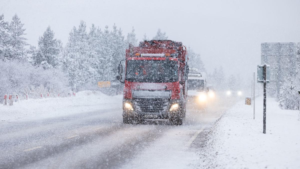
The weather system is being intensified by the positioning of the North Atlantic jet stream, a powerful band of high-altitude winds that often directs low-pressure systems toward the British Isles. As this jet stream strengthens, storms can move rapidly across the Atlantic and deepen quickly upon arrival, producing abrupt swings in wind and temperature. In regards to residents in coastal and upland regions, the risks go beyond inconvenience. High winds of 50–55 mph are expected across wide areas, but gusts of 70–80 mph in exposed locations could damage power lines, disrupt ferry crossings and halt rail services. Emergency planners are also monitoring the potential for fallen trees, temporary power outages and hazardous road conditions.
Local authorities are urging travelers to check conditions before setting out, particularly in northern corridors where snow and drifting could block roads with little warning. Transport operators across Scotland and Northern Ireland have already begun preparing contingency plans, including slower train speeds and possible route suspensions.
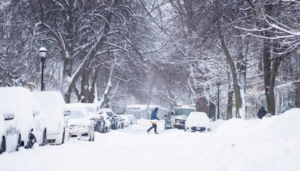
Yet, the episode also highlights a broader challenge for policymakers. Extreme winter weather, though a long-standing feature of the UK climate, increasingly tests ageing infrastructure and rural resilience. Communities in remote parts of Scotland and Wales often face longer recovery times when storms interrupt electricity, transport or emergency services. Climate specialists caution that while a single storm cannot be directly attributed to climate change, a warming atmosphere is influencing weather patterns, including the behavior of the jet stream, which is potentially increasing the volatility of winter systems that is affecting the British Isles.
In the meantime, officials stress preparedness rather than panic. But as the winds strengthen and temperatures fall, the approaching front serves as a reminder that severe weather carries consequences far beyond the forecast map, particularly for communities living closest to the elements.