
Niger Cancels Mining Licences as Junta Pushes for Resource Control

In a move that reflects Niger’s shifting political and economic priorities, the country’s military-led government has revoked three mining concessions held by Comini, Afrior and Ecomine, citing breaches of contract and unfulfilled commitments to the state.
The decision, approved by Niger’s council of ministers and effective from 3 March, signals a deeper effort by the authorities to tighten control over the country’s mineral wealth following the upheaval that brought the current leadership to power after the 2023 Niger coup d’état. Officials say the companies failed to meet key obligations outlined in agreements signed between 2017 and 2020. According to the government, the firms did not consistently pay required taxes, submit annual technical and financial reports to the Ministry of Mines, or comply with environmental regulations tied to their operations.
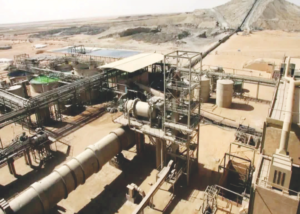
The most prominent of the affected firms, Compagnie des Mines du Niger (Comini), had earlier pledged to construct a gold refinery in the capital, Niamey, under a 2019 agreement aimed at strengthening local mineral processing capacity. Similar refinery plans were linked to contracts signed with Afrior and Ecomine in 2017 and 2020 respectively. Government statements indicate that the companies were formally warned in early and mid-2025 about alleged violations. Officials argue that the repeated failure to meet contractual commitments left the state with little choice but to terminate the agreements.
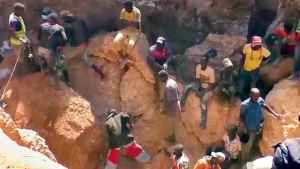
Up till now, besides the legal language of contract breaches, the decision sits within a broader political project. Since the military seized power and removed former president Mohamed Bazoum, the leadership under Abdourahmane Tchiani has increasingly framed natural resources as central to national sovereignty and economic independence. Authorities say the policy shift aims to ensure that Niger’s gold and other minerals generate greater domestic value, including through local refining and employment opportunities for citizens. Officials have also suggested that new partnerships could replace foreign operators who, in the government’s view, have not delivered on development promises.
To the communities near mining areas, the debate is more immediate. Residents and civil society groups have long argued that despite Niger’s mineral potential, many mining regions remain marked by fragile infrastructure, environmental concerns and limited economic spillover. “The issue is not only who owns the mines, but whether the benefits reach the people living next to them”, said one local advocate familiar with mining projects in the country’s western gold belt.
Analysts note that the government’s tougher stance toward mining contracts echoes other recent decisions affecting foreign investment, including a refusal to extend a licence for the British energy company Savannah Energy in the oil sector and the earlier nationalisation of the Samira Gold Mine. Supporters of the government’s approach argue that stricter enforcement could strengthen state revenues and bargaining power. Critics, however, warn that abrupt contract cancellations risk unsettling investors at a time when Niger’s economy remains heavily dependent on external capital and technical expertise.
In regards to the ordinary Nigeriens, the outcome may ultimately depend on whether the new strategy translates into tangible improvements, from jobs and infrastructure to environmental safeguards, in a country where the promise of resourceful-wealth has long outpaced the reality on the ground.