
Europe Signals Conditional Role in Securing Strait of Hormuz, Taking Diplomatic Center Stage
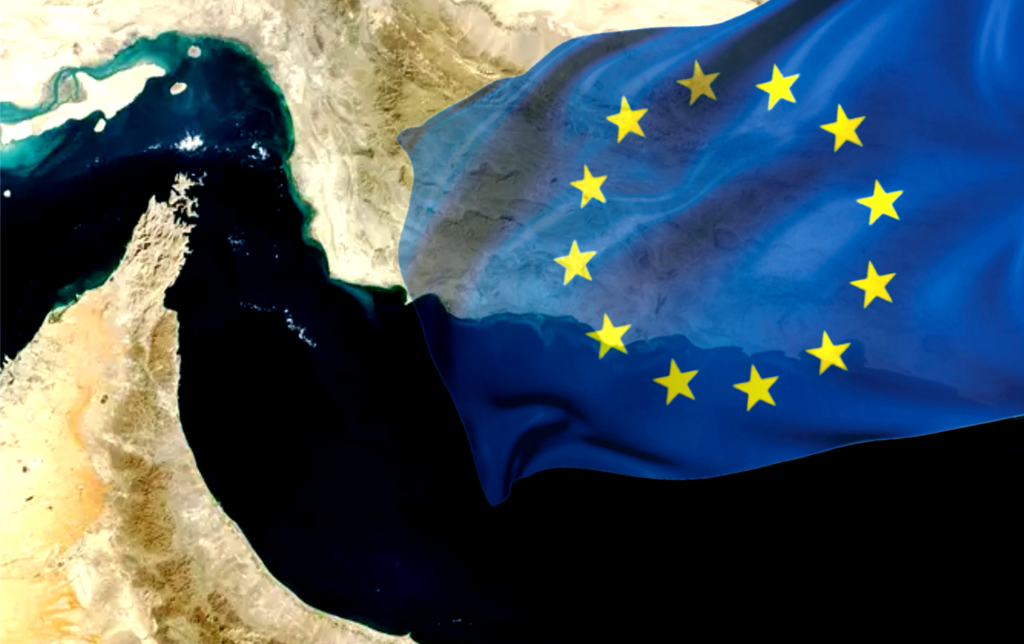
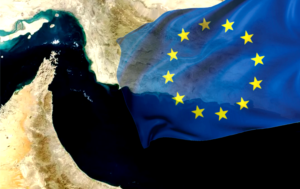
A group of leading European powers – Italy, Germany and France, have indicated they are prepared to support efforts to safeguard commercial shipping through the strategically vital Strait of Hormuz, but only once a ceasefire is firmly in place.
The position reflects a broader diplomatic recalibration among Western allies, balancing concern over escalating tensions with caution about deepening military involvement. According to prior joint statements involving countries including the United Kingdom, Netherlands, Japan, and Canada, there is collective readiness to ensure safe maritime transit, though not at the expense of further inflaming the conflict.
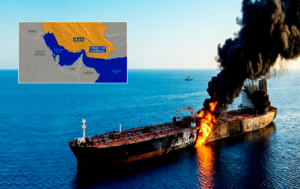
The Strait of Hormuz remains one of the world’s most critical energy corridors, linking the Persian Gulf to the Gulf of Oman and the wider Arabian Sea. For energy-dependent economies across Europe, Asia, and beyond, disruptions here translate quickly into rising fuel prices, supply instability and economic strain on households.
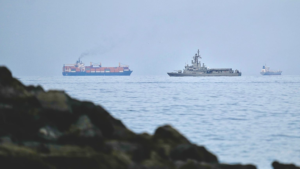
Impacting sociocultural stability on the immediate, as higher transportation costs, inflation and pressure on developing economies, are already navigating fragile recovery paths. And particularly in the import-reliant nations, stability in Hormuz is less an abstract security issue and more of the question of daily affordability, for millions of people.
Despite condemning reported mining activities and drone and missile strikes attributed to Iran, European leaders are signaling restraint. Officials in Rome, Berlin and Paris have clarified that no immediate military deployment is under consideration. Instead, discussions are leaning toward a multilateral, rules-based maritime security framework that would only activate after de-escalation. Diplomats suggest, this approach aims to preserve international law, while avoiding the tone and risks of unilateral intervention.
This cautious stance also reflects domestic political realities. Public sentiment across much of Europe remains wary of new military entanglements, especially in volatile regions. Governments are therefore under pressure to demonstrate leadership through diplomacy rather than force.
The evolving European position comes amid reports that the Pentagon has requested over $200 billion to sustain military operations related to Iran, pending approval from the White House and Congress. The scale of that request highlights the widening strategic divide between military preparedness and diplomatic caution among Western allies. Political analyst note that Europe’s conditional offer of security assistance tied to a ceasefire, could serve as leverage in ongoing backchannel negotiations. By linking maritime protection to de-escalation, European states are effectively positioning themselves as both stakeholders and mediators.
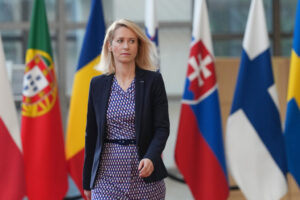
Furthermore, the message from Europe is clear, stating that stability in the Strait of Hormuz, must begin with a reduction in hostilities. While the willingness to act remains, it is framed within a broader commitment to diplomacy, multilateralism and the long-term security of global trade routes.
The success of this approach, will depend on how key actors respond in the days ahead.