
Middle East Crisis Ripple Effect on Most African Currencies, Pressuring Households
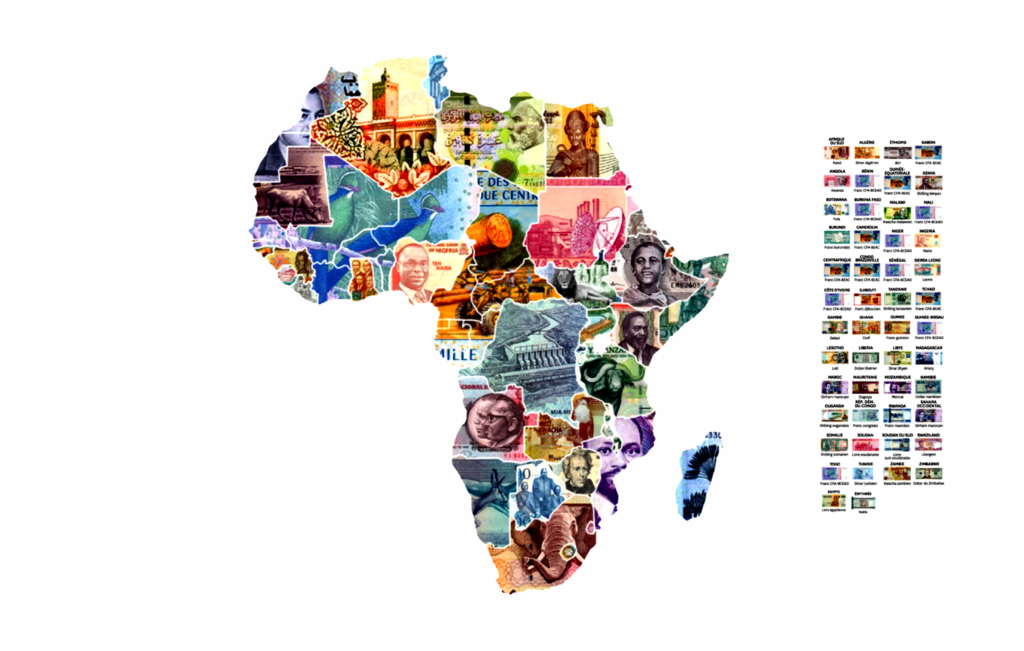
As conflict in the Middle East drags further into 2026, its effects are being felt far beyond the region, quietly reshaping African economies, squeezing household incomes and testing the elasticity of local currencies. Across the continent, economists warn that most currencies are likely to weaken in the short to medium term, with the consequences already visible in markets, transport fares, and family budgets.
At the heart of the disruption is a surge in global oil prices. In regard to many African countries that rely heavily on imported fuel, this has translated into rising costs of transportation, food production and basic goods. In urban centers and rural communities alike, traders and farmers say the impact is immediate. Higher fuel prices mean more expensive logistics, pushing up the cost of staples from maize to rice. As for most households, this often results in difficult trade-offs of less spending on education, healthcare, or nutrition.
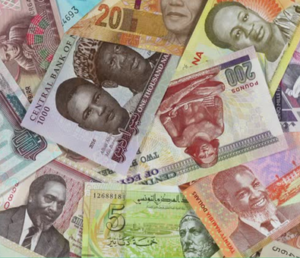

The pressure on currencies is closely tied to these rising import bills. As countries spend more foreign exchange on fuel, fertilizer and food, their balance of payments weakens, placing downward pressure on local currencies. This depreciation in turn, makes imports even more expensive, creating a cycle that increases inflation and erodes purchasing power.
Away from trade, the crisis is also reshaping investors’ behavior. Heightened geopolitical uncertainty has led many global investors to retreat from emerging and frontier markets, including those in Africa. This pullback in foreign direct investment, reduces the inflow of hard currency, further straining exchange rates. At the same time, a stronger US dollar, driven by global risk aversion, has compounded the problem, making African currencies comparatively weaker.
Millions of African families note another concern situated in remittances from outside shorelines. Many households depend on income sent from relatives working in Gulf economies. Any slowdown in those economies, triggered by prolonged instability, risks reducing these inflows. In countries where remittances form a significant share of foreign exchange earnings, even a modest decline can ripple through local economies, affecting everything from school fees to small business capital.
The burden is particularly heavy for countries carrying large amounts of foreign-denominated debt. As local currencies depreciate, the cost of servicing these debts rises, forcing governments to allocate more resources to repayments rather than public services or development projects. This fiscal strain can slow infrastructure investments and limit social spending, widening discrimination over time.
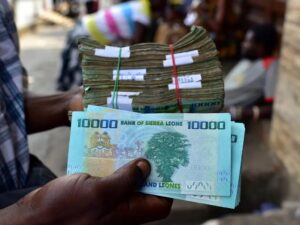
Thus far, the impact is not uniform. Oil-exporting nations such as Nigeria and Angola, may see a temporary boost in revenues from higher crude prices. But analysts note that these gains are often diluted by government, political and structural challenges, including limited/strangulating refining capacity, which forces them to import expensive refined petroleum products. As a result, the expected currency support from oil windfalls is often offset by rising domestic costs and persistent inflation.
Meanwhile, oil-importing countries like Kenya, Burundi and Egypt face more direct pressure. Their currencies are particularly vulnerable to depreciation as import bills climb, leaving governments with difficult policy choices, as whether to subsidize fuel, tighten monetary policy, or allow currencies to weaken further. Some sectors offer limited relief. Commodity exporters, particularly those dealing in gold, copper, or agricultural products, may benefit from rising global prices triggered by the crisis. In countries such as South Africa and Morocco, these gains can provide pockets of resilience. Still, such advantages are often overshadowed by broader inflationary shocks affecting the wider economy.
The broader outlook remains uncertain. The African Development Bank (AfDB) has warned that a prolonged conflict could dampen Africa’s growth trajectory and trigger profound financial instability. If the crisis persists, the continent could face more pronounced currency volatility, reduced investment flows and heightened pressure on already stretched public finances.
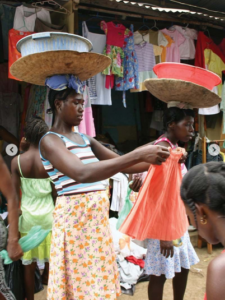
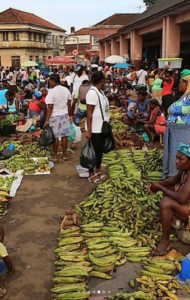
At the grassroots level, the story is less about exchange rates and more about survival. To most small business owners, transport workers and farmers, currency depreciation translates into daily challenges like higher costs, general inflation, shrinking margins, reduced consumer demand, etc.
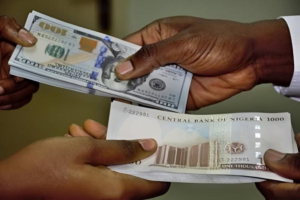
While policymakers debate fiscal and monetary responses, many Africans are already adapting, finding ways to stretch incomes and sustain livelihoods in an increasingly uncertain economic landscape. In this unfolding global crisis, Africa’s currencies are immediately reacting to the distant geopolitical tensions, and at the same time reflecting the existing realities of millions navigating rising costs and economic fragility, even in different homes.