
Africa’s Waste Recycling Revolution, Breeding a Circular New Economy
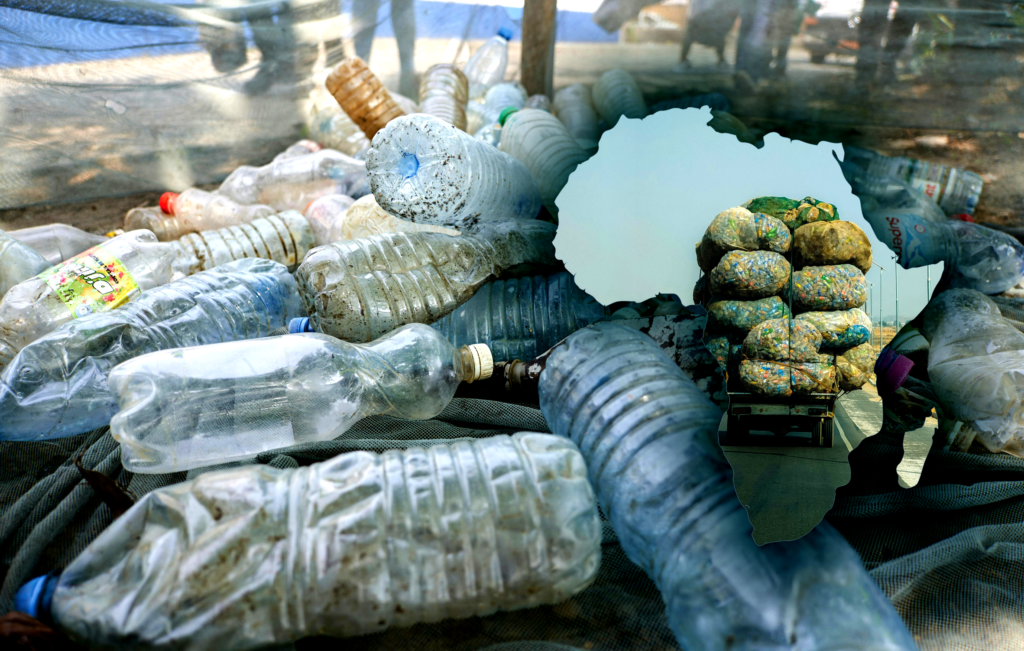
Across African cities, where landfills once symbolized neglect, a quiet economic-transformation is taking root, driven by street-level entrepreneurs, waste pickers and community cooperatives turning trash into income, infrastructure and opportunity, away from government’s structural economic system.
Horizontally, from the sprawling dumpsites in West Africa to the organized collection hubs in east Africa and the vertical-crisscross, waste recycling is emerging as a cornerstone of Africa’s evolving circular economy. Though only about 4 percent of the continent’s waste is currently recycled, but the sector is expanding rapidly, with innovators converting plastic, electronic waste and organic materials into construction inputs, fuel, agro-alternative nutrients and exportable goods. You can say, livelihood is being birthed from waste.
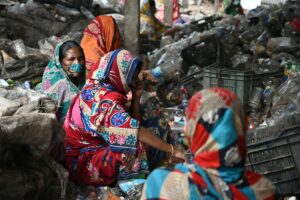
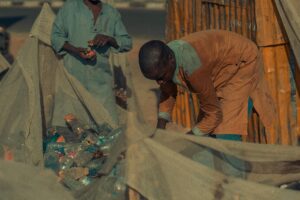
Recycling is no longer just survival for thousands of informal waste-scavengers. It is becoming a structured work with rising economic value. In neighborhoods on the outskirts of Lagos and countries in the corridor of West Africa, collectors move door-to-door gathering plastic bottles and sachets, exchanging them for small payments or household credits. Companies like Wecyclers have formalized this model, using low-cost logistics and digital tracking to connect households with recycling markets. The impact is tangible, because families earn supplemental income; while cleaner streets reduce disease risks. Women and youth that are often excluded from formal employment, are finding entry points into the micro-enterprises built around sorting, aggregating and resale recycle-waste.
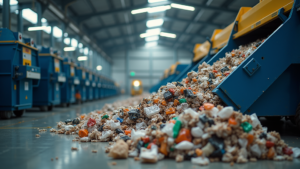


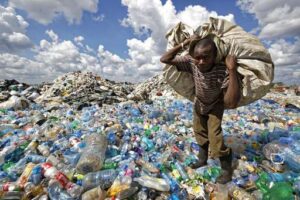
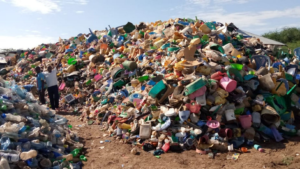
So far, investigations at major dumpsites reveal persistent challenges. Workers often operate without protective gear, exposed to hazardous materials and remain vulnerable to price fluctuations dictated by middlemen. Bridging this gap between informal labor and formal industry, remains one of the sector’s biggest tests in this economic-innovation-sector that is turning trash into assets.
Across the continent, startups are redefining what waste can become. In Kenya, Gjenge Makers is transforming discarded plastic into durable paving stones, cheaper and stronger than conventional concrete. In Nigeria, FREEE Recycle is repurposing used tyres into furniture and building materials, extending the lifecycle of products once destined for open burning. These innovations are not just environmental fixes, but industrial seeds. By localizing production, they reduce reliance on imported materials and create value chains that stretch from collection to manufacturing.
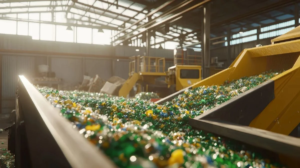
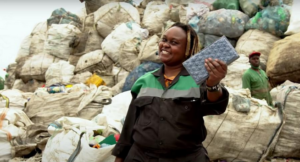
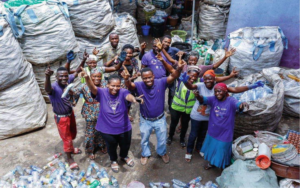
In Rwanda, strict environmental policies that include an early ban on plastic bags, have fostered a culture where recycling is both a civic duty and a business opportunity. Meanwhile, South Africa is seeing growth in e-waste processing, where discarded electronics are mined for valuable metals. A spectrum of energy, infrastructure and the promise of scale.
Apart from plastics, waste is increasingly being harnessed as a resource for energy and infrastructure. In Ethiopia, the Reppie waste-to-energy plant, converts municipal waste into electricity, offering a dual solution to power shortages and landfill overflow. Community-driven platforms like Yo-Waste in Uganda, are digitizing waste collection, improving efficiency while generating local jobs. While in Botswana, researchers and small firms are experimenting with plastic-sand composites for construction, materials that could lower housing costs while addressing pollution. Still, scaling these solutions remains uneven. Many projects rely on donor funding or pilot-phase support, which is raising queries about long-term financial sustainability and integration into national infrastructure plans.
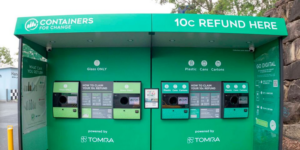
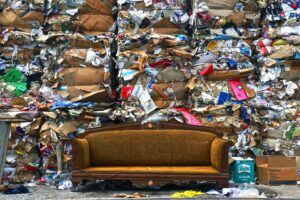
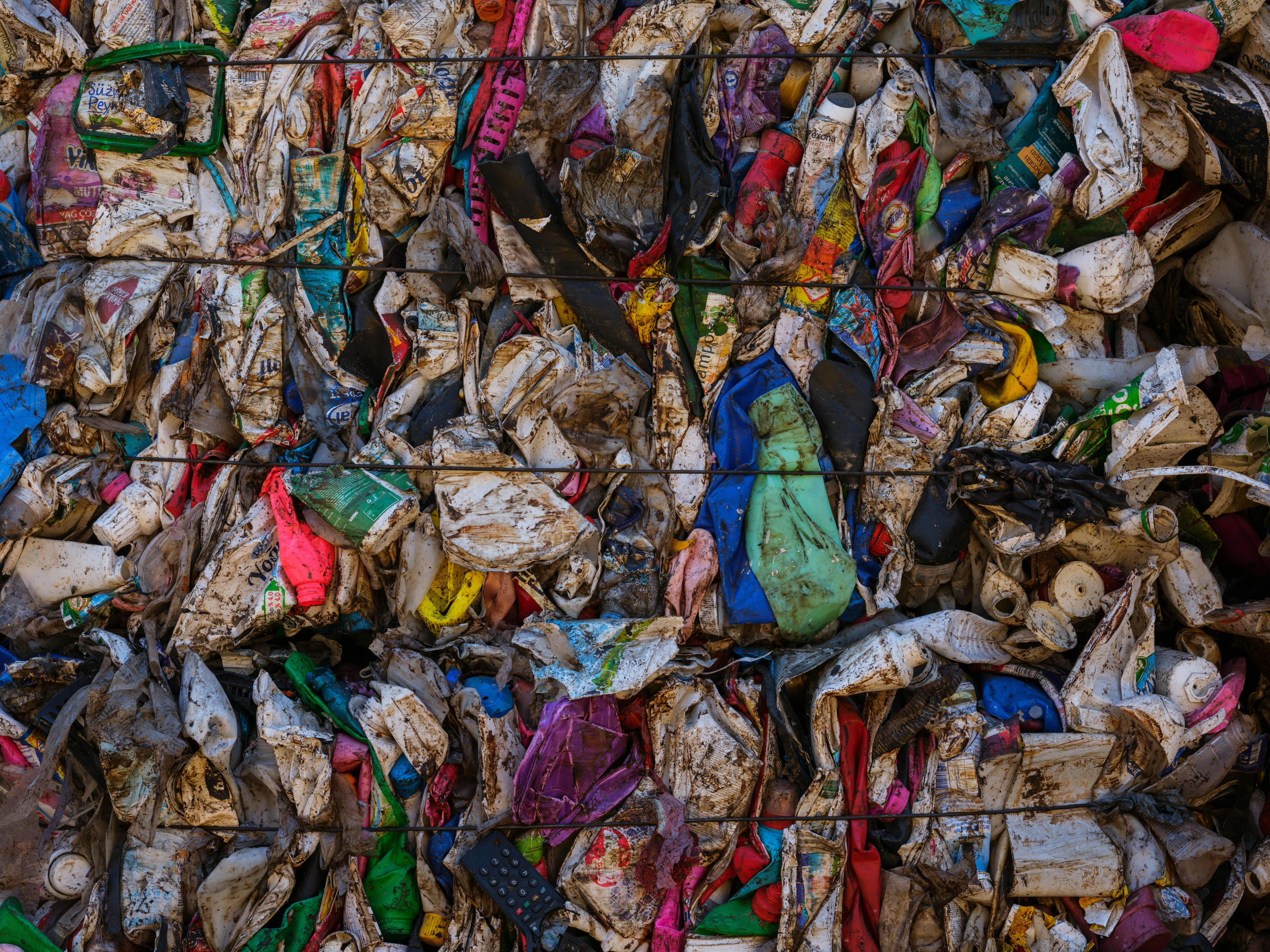
Here, policy thrust meets street-level reality. Continental bodies like the African Union and the African Development Bank, are championing ‘waste-to-wealth’ strategies, linking recycling to climate action and job creation. Extended Producer Responsibility (EPR) policies, which is requiring manufacturers to manage post-consumer waste, are gaining traction in countries like Nigeria. But on the ground, enforcement is inconsistent. Many producers remain outside the compliance systems, while recyclers struggle with limited access to financing, unreliable supply chains and weak market linkages.
With a societal-shift in motion away from the economics, the recycling boom is reshaping social attitudes toward waste. What was once a stigmatized work, is slowly gaining recognition as essential environmental service and a window of enterprising. In schools and local communities, recycling campaigns are fostering behavioral change, especially among younger populations. The broader implication is cultural, noting that waste is being redefined not as an endpoint, but as a resource. This change is critical in a continent where rapid urbanization is expected to double waste generation by 2050.

Africa’s recycling economy sits at a crossroads. Its grassroots energy is undeniable, with promising innovations and its present visible social impact. But unlocking its full potential, will require stronger policy enforcement, safer working conditions and encouraging investment in the needed infrastructure. Because, if these gaps are addressed, what is now a fragmented sector could evolve into a major engine of inclusive growth, where cleaner cities, new industries and dignified livelihoods are built from.