
Africa is Giving Attention to Strait of Gibraltar, Defining its Own ‘Strait of Hormuz’
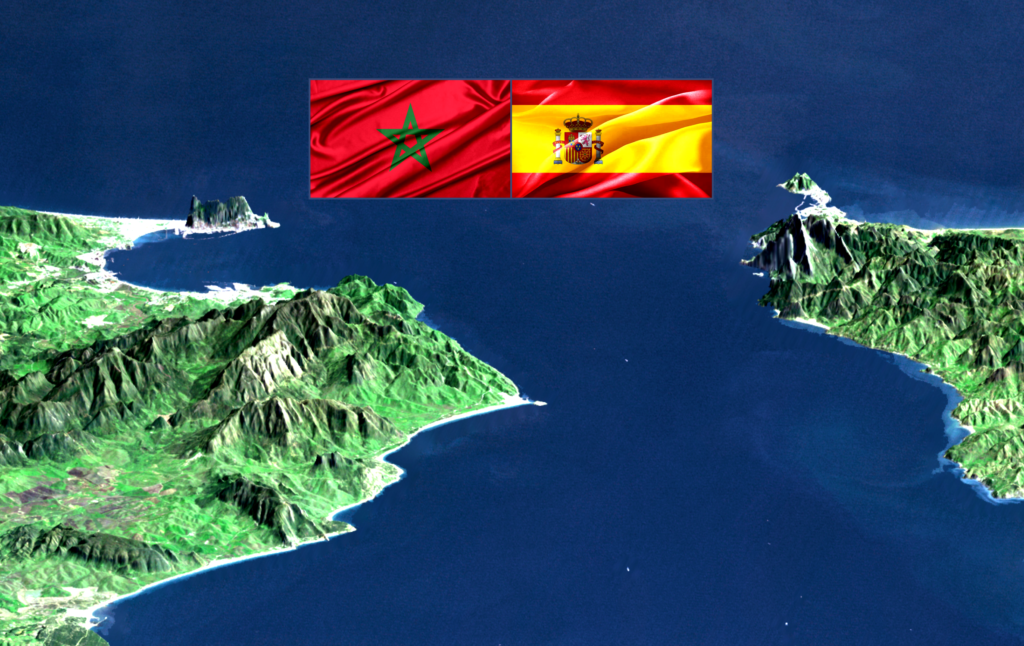
Renewed geopolitical tensions along vital shipping corridors are prompting a rethink of how goods, energy and people move between continents. Against this backdrop, Morocco and Spain are quietly reviving one of the world’s most ambitious infrastructure concepts, a subsea rail tunnel beneath the Strait of Gibraltar that could redefine Africa-Europe connectivity and reduce dependence on fragile maritime chokepoints like Strait of Hormuz.
In decades, global trade has leaned heavily on narrow passages such as the Strait of Hormuz and the Bab el-Mandeb-arteries vulnerable to conflict, piracy and political instability. When disruptions occur, the consequences ripple worldwide, delaying shipments, raising costs and exposing supply chains to sudden shocks. Most recently and increasingly too, governments, world leaders, politicians, global business empires and industry leaders, are looking for alternatives transit-routes that offer both flexibility and predictability, as concerning globe business/goods shipment.
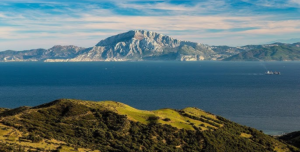
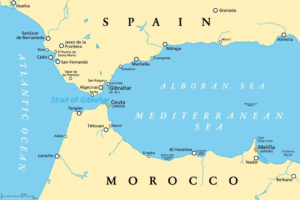
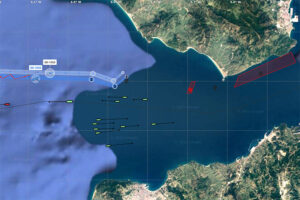
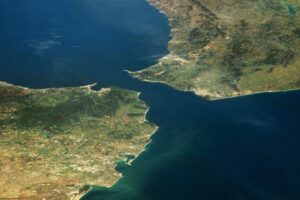
The proposed Gibraltar rail link was first envisioned in a 1979 bilateral agreement, and as a result of war/strategic monopolization of the Hormuz, it has resurfaced as part of that search. Estimated to cost between €15billion and €20billion, the 42-kilometre twin-bore tunnel would connect Punta Paloma in southern Spain to Malabata in northern Morocco. If realized, trains could carry passengers and freight across the strait in roughly 30 minutes, creating the first fixed land connection between Africa and Europe. With its engineering ambition, the project’s most immediate effects, would likely be felt at the human level. Easier cross-continental travel could open up new opportunities for workers, students and small-scale traders who currently rely on slower, more expensive ferry routes.
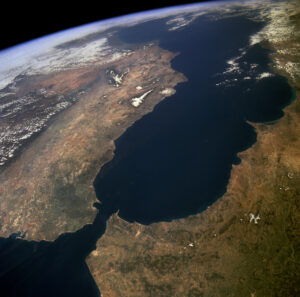
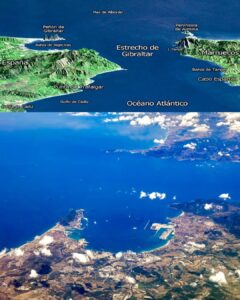
Communities in northern Morocco, particularly around Tangier, stand to benefit from job creation tied to construction, logistics and service industries. On the Spanish side, the project could revitalize parts of Andalusia by boosting transport, tourism and cross-border commerce. Analysts say the tunnel could also encourage more regulated and safer migration pathways, reducing reliance on dangerous sea crossings. At the grassroots level, local businesses from transport operators to hospitality providers, could see increase in demand as the corridor evolves into a major transit hub.
Economically, the tunnel aligns with broader continental ambitions, including the African Continental Free Trade Area (AfCFTA), which seeks to position Africa as a more integrated and competitive player in global markets. By shortening transit times and lowering logistics costs, the link could make African exports, from manufactured goods to agricultural products, more attractive to the European markets.
Morocco that is already investing heavily in infrastructure such as the Al Boraq high-speed rail line and the Tanger-Med port complex, is positioning itself as a gateway between Africa and Europe. A fixed rail link would amplify that role, potentially transforming North Africa into a logistics and industrial hub. And as for Europe, the project offers a more stable and diversified supply chain route, particularly as energy transitions and shifting trade patterns increase demand, for reliable connections with African markets that is rich in renewable energy potential and critical minerals.
Politically, the tunnel represents a rare example of sustained cross-continental cooperation. Despite periodic diplomatic tensions between Morocco and Spain, both governments have continued feasibility studies and technical discussions, emphasizing the project’s long-term strategic value. The initiative also reflects a broader move towards infrastructure diplomacy, where large-scale projects are used to strengthen regional ties and reduce dependency on external routes and actors. By investing in a controlled, high-capacity corridor as this, both countries aim to strengthen their autonomy in an increasingly uncertain global environment.
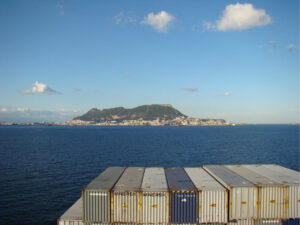
However, there are significant hurdles. The tunnel would pass through complex geology near the Azores–Gibraltar fault line, with depths reaching up to 900 meters, which poses serious engineering and financial challenges. Securing funding, aligning regulatory frameworks and managing environmental concerns, will require sustained political commitment over decades. But, persisting focus and avid drive for achievement, will initiate a new strategic Africa-Europe corridor.
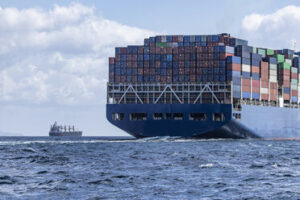
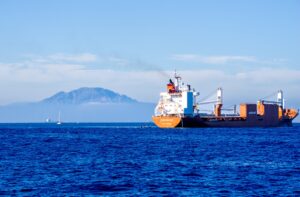
The comparison to the Strait of Hormuz that is often described as the world’s most critical oil chokepoint, highlights the scale of ambition behind the Gibraltar project. While Hormuz supports global energy flows, a Gibraltar rail tunnel could emerge as a central artery for trade, green energy and industrial exchange between Africa and Europe. With roughly 300 vessels already crossing the Strait of Gibraltar daily, the region is not strange to strategic importance. Nonetheless, a fixed rail-link would add a new dimension of less exposure to maritime disruptions, and more adaptable to future economic shifts.
Construction is unlikely to begin before 2035, pending financing and final approvals. So far, even at this early stage, the project is reshaping how governments, world leaders, politicians, global business empires, industry leaders and policymakers think about global business connectivity, resilience and Africa’s place in global trade.
As global supply chains face mounting pressure, the vision beneath the waters of Gibraltar, suggests a wider alteration from reliance on vulnerable sea lanes to diversified land-based corridors that could redefine the geography of commerce in the years ahead.