
Pope Leo XIV Opens Africa Tour in Algeria with Message of Peace and Dialogue
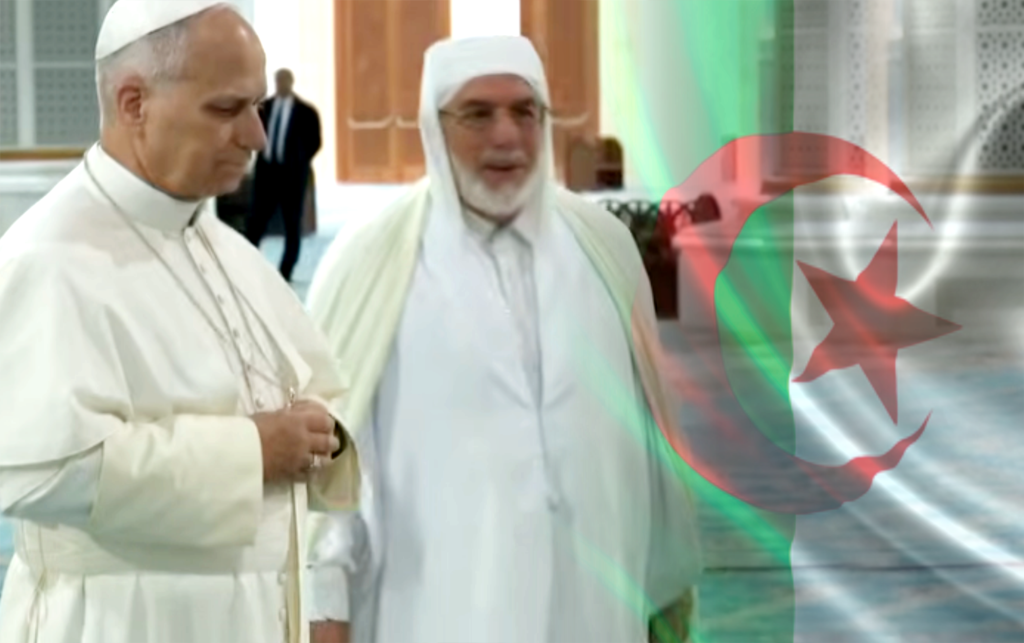
Pope Leo XIV began his first Apostolic Journey to Africa with a tightly scheduled and symbolically rich visit to Algiers, setting the tone for a tour that appears as much diplomatic as pastoral.
Arriving Monday, the Pope described Saint Augustine, whose legacy is deeply tied to North Africa, as a bridge in interreligious dialogue, gesturing early that this travel will emphasize coexistence across faiths, championing memory, identity and the politics of peace.
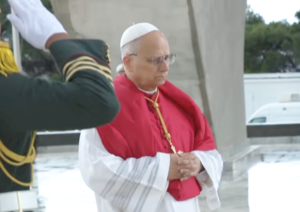
The Pope’s first stop at the Martyrs’ Monument (Maqam Echahid) anchored his visit in Algeria’s national memory. The monument commemorates those killed during the Algerian War for Independence, a defining struggle that still shapes the country’s political identity. By declaring that “the future belongs to men and women of peace”, Pope Leo subtly connected Algeria’s past conflict with present global tensions. His framing that freedom must be chosen anew everyday, resonates beyond Algeria, reflecting ongoing debates about governance, civic responsibility, and post-conflict reconciliation worldwide.
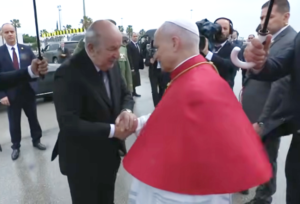
Regarding a diplomatic balancing act; at the presidential palace and later at the Djamaa El Djazair Conference Center, the Pope addressed state authorities and diplomats, urging empathy in governance. His remarks of calling on leaders to “be moved by the pain of others”, echoed themes common in global diplomacy but carried added weight in a region where political stability and human rights remain closely watched. This part of the visit highlights the Vatican’s enduring soft-power role. While lacking military or economic leverage, the Holy See often operates as a moral voice in international affairs, particularly in regions navigating complex political transitions. This is also rubbing-off on a gesture towards interfaith coexistence.
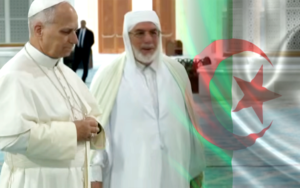
One of the most closely watched moments came at the Great Mosque of Algiers, where the Pope met Rector Mohamed Mamoun Al Qasimi. In a country where Islam is the dominant faith and Christians form a small minority, the visit carried both representative and practical significance. Going off-script, the Pope emphasized reciprocal respect and human dignity, language that aligns with ongoing efforts to ease tensions between religious communities, globally. The visit also reflects a broader Vatican strategy of strengthening interfaith ties in regions where Christianity is not the majority, while supporting minority communities without provoking political allergies; pinned on witness, reminiscence and the cost of faith.
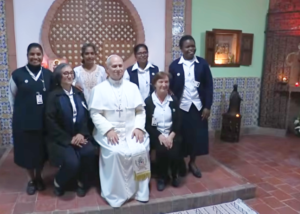
The Pope’s private stop at the Augustinian Missionary Sisters’ center in Bab El Oued, shifted the focus to personal sacrifice. By honoring sisters killed during the Algerian Civil War, he underscored the risks faced by religious workers in conflict zones. Framing their deaths as “witness… even to the point of martyrdom”, Pope Leo linked past violence to present humanitarian work. This message carries broader implications for NGOs and faith-based organizations operating in fragile states, where service often intersects with security challenges.
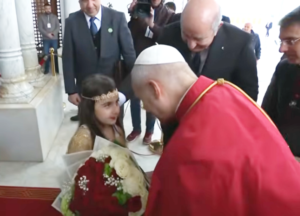
The day concluded at the Basilica of Our Lady of Africa, where the Pope met a diverse crowd of worshippers and citizens. Testimonies from a Muslim woman and a Pentecostal student, highlighted everyday coexistence as an often overlooked dimension of interfaith relations. In emphasizing these existing experiences, the Pope shifted attention from institutional dialogue to grassroots reality. His observation that such unity is “a compelling sign” in a divided world, reflects a broader cultural insight that peaceful coexistence is often sustained, not by policy alone, but by daily social practice.
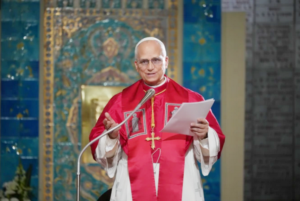
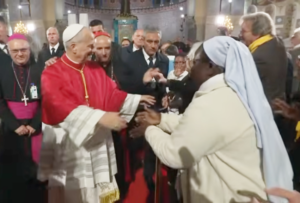
The Pope’s African tour comes with wider implications. This first stop in Algeria, sets the tone for the rest tour, which will take Pope Leo XIV across Africa through April 23. Away from religious outreach, the travel touches on key global themes like – post-conflict healing, religious pluralism, governance and the role of moral leadership in politics.
Also for Algeria, the visit offers international visibility as a model, however complex in the understanding of coexistence between religious communities. Positively for the Vatican, it reinforces a long-standing strategy, to engage the Global South as a center of Catholic growth and stage for dialogue in an increasingly fragmented world.
As Pope Leo XIV continues his journey, the world will be watching hoe these symbolic tour-gestures translate into lasting influence, both within local communities and across the broader geopolitical landscape.