
Africa Eyes Opportunity as Dollar Weakens, but Risks of New Dependence Loom
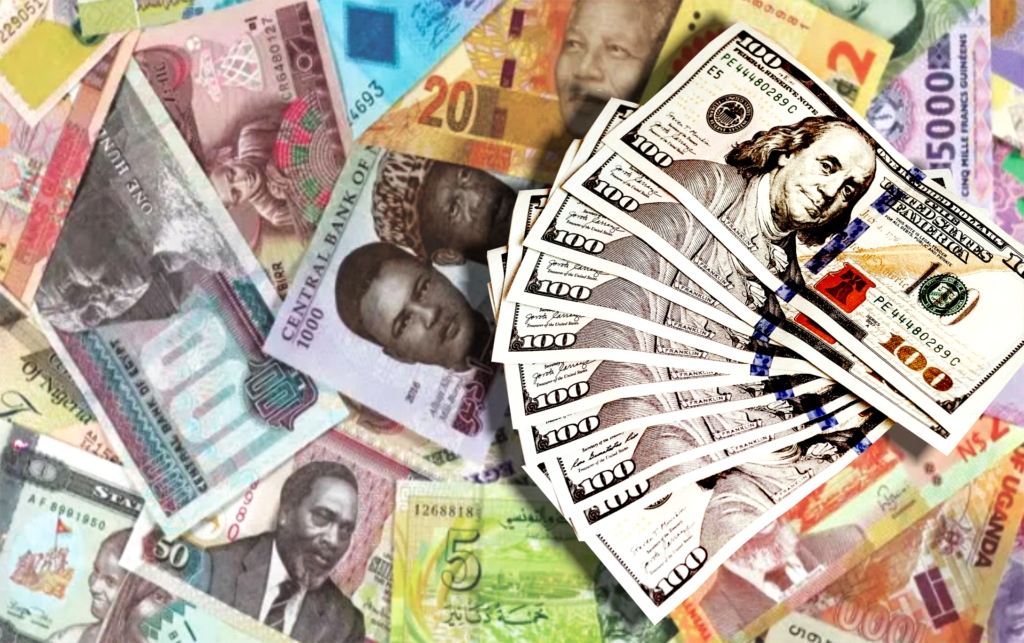
A quiet monetary-shift is unfolding across Africa, as countries respond to the gradual decline of the US dollar’s global dominance, raising hopes for greater economic independence, but also fresh concerns about new vulnerabilities.
In many decades, the dollar has underpinned global trade and finance. But then again, its share of foreign exchange reserves has steadily declined, and since the return of Donald Trump to office, the currency has weakened further against major global peers. In Africa, this shift is prompting governments and businesses to rethink how they trade, borrow, and store value.
In Zambia, mining firms can now pay taxes in multiple currencies, including the Chinese yuan, an unprecedented move on the continent. Elsewhere, countries like Kenya are restructuring debt into yuan-denominated loans, while institutions such as African Export-Import Bank are experimenting with new financing tools tied to China’s financial system. The trend reflects a broader pivot toward Beijing, Africa’s largest trading partner.
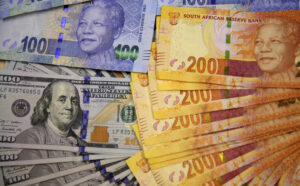
To the ordinary Africans, the implications are mixed. On one hand, reduced reliance on the dollar could help stabilize local currencies, lower borrowing costs, and ease inflation pressures tied to exchange rate volatility. Kenya, for instance, has already recorded savings from currency diversification. On the other hand, a shift toward alternative currencies does not automatically translate into improved living standards. Without strong domestic policies, gains at the macro level may not trickle down, leaving households still grappling with high prices and limited job opportunities.
Economically, the shift offers African countries a chance to diversify risk. Holding reserves in currencies like the yuan or assets like gold could cushion economies from global shocks linked to US monetary policy. But the transition is uneven and fragmented. Many African economies remain heavily reliant on exporting raw materials priced in dollars, limiting how far they can move away from the greenback in practice.
The political dimension is equally significant. Efforts to bypass traditional systems such as SWIFT, through alternatives like China’s payment infrastructure or regional initiatives, indicates a desire for greater sovereignty in financial decision-making. Projects like the Pan-African Payment and Settlement System, are designed to boost intra-African trade and reduce dependence on external currencies. Nonetheless, the growing role of China raises strategic questions on whether Africa is truly gaining autonomy, or simply moving from one sphere of influence to another.
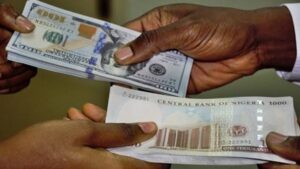
Socially, the stakes are high. Currency instability has long translated into rising food and fuel prices across the continent, disproportionately affecting low-income populations. If managed well, a more flexible monetary system could help governments respond more effectively to such pressures. If properly mismanaged, the transition could strengthen disparity, especially in countries with weaker financial institutions.
Despite the momentum, global institutions like the International Monetary Fund caution that the dollar’s dominance is unlikely to fade quickly. Its deep financial markets and global trust still give it a commanding edge.
Regarding Africa then, the dollar’s gradual decline is less a turning point than an opening. It presents a rare chance to reshape economic strategy, strengthen regional systems, and assert greater control over financial futures. But without structural reforms, diversifying economies, building robust institutions and expanding intra-African trade, the promise of monetary independence may remain just out of reach.