
Africa Shifts from Raw Alumina Exports to Inclusive, Value-Driven Mining Growth
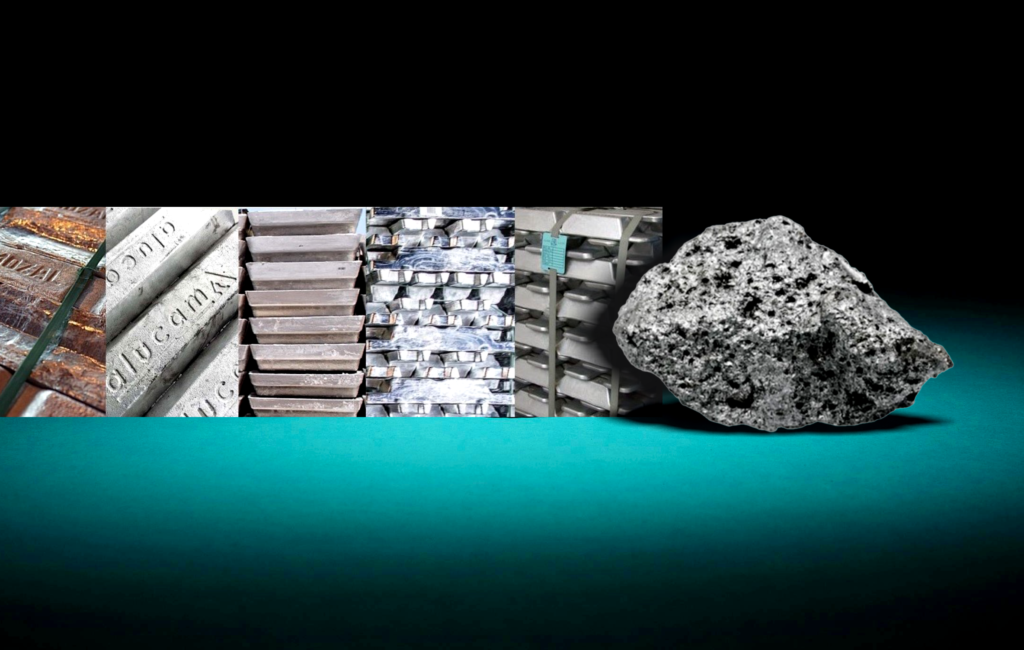
Africa Shifts from Raw Alumina Exports to Inclusive, Value-Driven Mining GrowthAfrica’s vast bauxite reserves, which is nearly a third of the global total, have long left the continent at the lower end of the mining value chain. Now, a shift toward alumina refining is gathering pace, promising not just higher export earnings but deeper economic, social and political change in resource-rich countries.
Industry leaders and policymakers are expected to sharpen that agenda at African Mining Week 2026, where refinery investments will take center stage. The issue supposedly, is whether Africa can translate its raw mineral wealth into sustained industrialization and if the communities closest to extraction sites, will see tangible benefits.
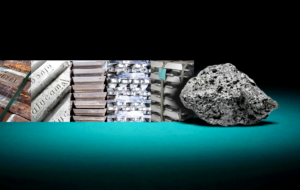
Despite holding roughly 30% of global bauxite reserves, Africa produces less than 1% of the world’s alumina, the refined input for aluminum manufacturing. Bridging that gap could unlock a market projected to reach $67 billion by 2032, while reshaping local economies.
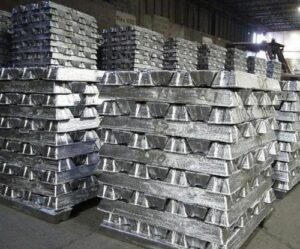
Refining bauxite into alumina creates more than export value. It anchors industrial ecosystems like power generation, transport logistics, engineering services, etc. that extend beyond mining. It is said that this change could reduce dependence on volatile commodity exports and support more stable, diversified growth. Up till now, the transition is not without scrutiny. Refinery projects are capital-intensive and energy-hungry, raising questions about financing structures, environmental safeguards and how revenues are shared.
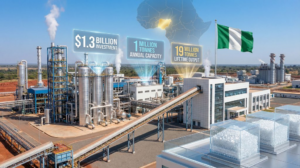
Nigeria’s test case bothers on jobs creation, gas production and governance: In Nigeria, a planned $1.3 billion alumina refinery backed by the Africa Finance Corporation and the Solid Minerals Development Fund is being framed as a flagship for local beneficiation. Designed to produce one million tons annually, the facility could contribute an estimated $1.2 billion to GDP each year and help expand mining’s share of the economy from about 1% to 10%. Crucially, it will be powered largely by domestic gas, aligning with national energy strategies while lowering reliance on imported fuel.
Government officials argue that the project represents a policy change from exporting raw materials to building domestic industry. But on the ground, expectations are more immediate, calling jobs creation, wealth creation, skills training and improved infrastructure in host communities. Civil society groups are already calling for transparent revenue management and clear environmental standards as construction advances.
Guinea and Ghana are scaling up, managing expectations: Elsewhere in Guinea, home to the world’s largest bauxite reserves, is targeting establishment of six refineries by 2030, aiming for a combined 7 million tons of annual output. Partnerships with firms such as State Power Investment Corporation, Chinalco, Alteo and Alcoa, show strong international interest. While in Ghana, authorities are pursuing 4-6 million tons of refining capacity through partnerships with Mytilineos SA, positioning alumina as a pillar of industrial policy.
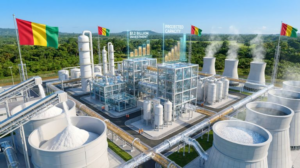
Both countries face a delicate balancing act. Large-scale refining can accelerate economic growth, but it also raises social questions like land use, displacement risks and whether local workers can access higher-skilled roles. Governments are under pressure to ensure that beneficiation does not replicate past patterns where wealth flows outward while communities remain underdeveloped. But investors are eyeing returns and risks at same time.
Africa’s alumina push offers a rare convergence of resource availability, policy backing and rising global demand for investors. Refineries promise longer-term returns than raw exports, supported by integrated value chains and growing regional markets. But risks remain, anchoring on regulatory uncertainty, infrastructure gaps and fluctuating energy costs. Investors are increasingly seeking stable policy frameworks and clearer environmental, social and governance (ESG) commitments before committing capital.

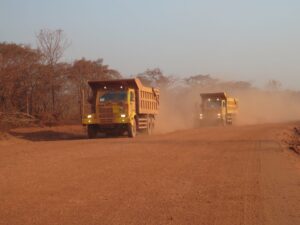
Furthermore than economics, the move toward refining reflects a wider political recalibration. Across the continent, governments are asserting greater control over natural resources, linking mining licenses to in-country processing and local content requirements. This transference is as much about sovereignty as it is about revenue generation. It is an attempt to rewrite Africa’s role in global supply chains from exporter of raw materials to producer of industrial inputs.
Ultimately, the success of Africa’s alumina boom may be judged less by output figures than by its impact on ordinary citizens. Will refinery towns see better schools, roads and healthcare? Will young people gain access to capacity building and skilled-jobs? And will environmental costs be managed transparently? These and many more, are the questions boggling the minds of Africans.
As stakeholders gather in Cape Town later this year, those questions are likely to shape not just investment decisions, but the credibility of Africa’s next phase of mining-led development.