

African Countries that Opened 2026 with Strongest Currencies: What Exchange Rates Reveal About Power and Policy
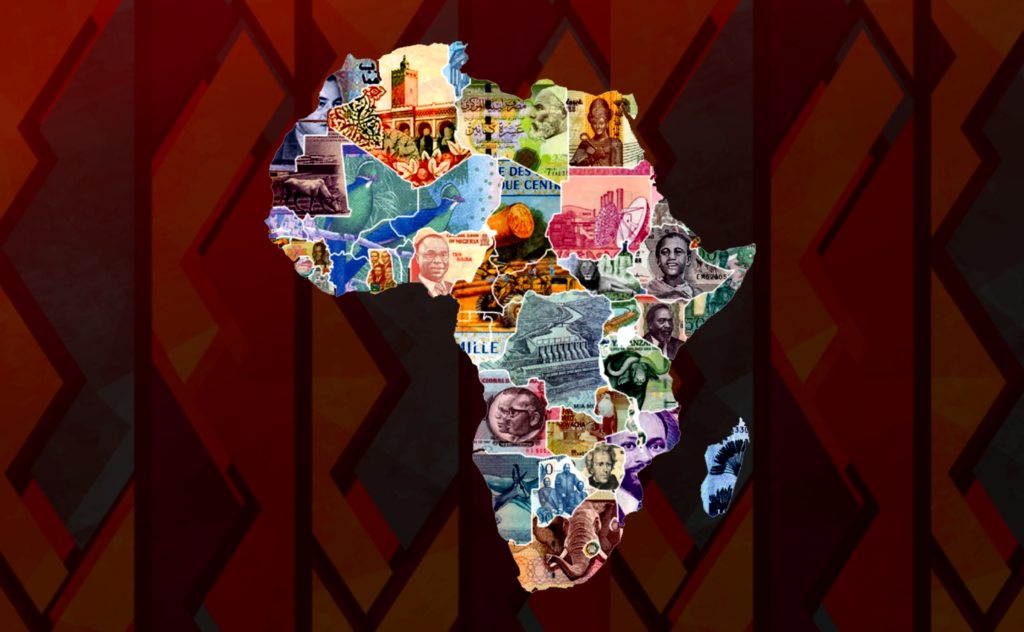
As 2025 drew to a close, Africa’s strongest currencies that were measured by their value against the US dollar, told a story that went far beyond exchange rates. Topping most lists were the Tunisian dinar (TND) and the Libyan dinar (LYD), followed by the Moroccan dirham (MAD) and a resurgent Ghanaian cedi (GHS). Rounding out the top tier were the Botswana pula (BWP), Seychelles rupee (SCR), Eritrean Nakfa (ERN) and a cluster of Southern African currencies closely linked to the South African rand. On paper, a strong currency indicates stability, but in the general market, its meaning is more of a complex dynamics, shaping family livelihoods, business decisions and political choices in ways that vary from country to country.
In 2026, Africa’s strongest currencies tell a story that goes far beyond exchange-rate tables. Behind each high-valued unit of currency lies a complex mix of political choices, family livelihoods, business confidence, cultural habits, and social trade-offs. From North Africa’s tightly managed dinars to Southern Africa’s regionally linked currencies, strength in nominal value often reflects discipline, control, and strategic economic positioning rather than sheer economic size.
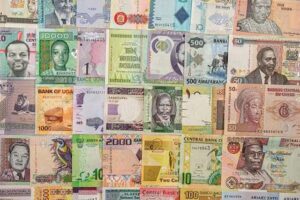
While global attention often focuses on the US Dollar, Euro, or British Pound, several African currencies continue to hold firm against the dollar. Their resilience highlights how selective stability, careful monetary policy and export earnings can shape currency performance, even in politically or economically constrained environments.
Africa’s Strongest Currencies in 2026 (Against the US Dollar):
- Tunisian Dinar (TND)
- Libyan Dinar (LYD)
- Moroccan Dirham (MAD)
- Ghanaian Cedi (GHS)
- Botswana Pula (BWP)
- Seychelles Rupee (SCR)
- Eritrean Nakfa (ERN)
- Namibian Dollar (NAD)
- Swazi Lilangeni (SZL)
- Lesotho Loti (LSL)
- South African Rand (ZAR)
- São Tomé and Príncipe Dobra (STN)
- Zambian Kwacha (ZMW)
- Mauritanian Ouguiya (MRU)
- Egyptian Pound (EGP)
- Algerian Dinar (DZD)
- Mauritian Rupee (MUR)
- West African CFA Franc (XOF)
- Central African CFA Franc (XAF)
- Kenyan Shilling (KES)
- Rwandan Franc (RWF)
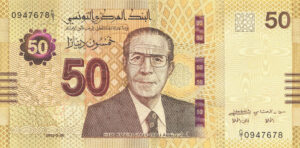 Tunisian Dinar (TND) – The Tunisian Dinar remains Africa’s strongest currency in 2026, a position built less on openness than on restraint. Tunisia’s strict foreign exchange rules, limits on imports and close management of capital flows have helped preserve the dinar’s value. This current’s strength is a double-edged sword for Tunisian families. While it protects savings from rapid depreciation, it also makes imports from electronics to industrial inputs more expensive and harder to access. Small businesses often struggle with currency restrictions, even as policymakers defend them as necessary for macroeconomic stability.
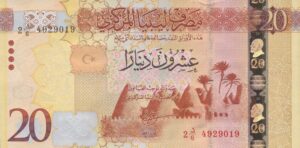 Libyan Dinar (LYD) – Libya’s currency strength stands in sharp contrast to its political fragmentation. Supported by vast oil reserves and tight controls on foreign exchange, the Libyan Dinar remains one of Africa’s strongest by nominal value.
However, this strength exists largely on paper. Ordinary Libyans often face a gap between official and parallel market rates, affecting household purchasing power and cross-border trade. For traders and families reliant on imports, currency controls can mean scarcity, delays, and higher informal costs—even as the dinar ranks high globally.
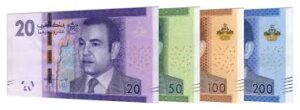 Moroccan Dirham (MAD) -Morocco’s Dirham reflects a more market-friendly path to stability. Managed through a flexible peg system, the currency benefits from strong tourism revenues, agricultural exports, and deep trade ties with Europe. Most Moroccan businesses, especially exporters and hospitality operators, currency predictability supports planning and investment. Families working in tourism hubs or export-linked sectors directly feel the benefits through steadier incomes and employment opportunities.
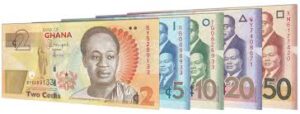 Ghanaian Cedi (GHS) – The Ghanaian Cedi’s presence among Africa’s strongest currencies marks a notable turnaround. After years of depreciation, Ghana implemented tough reforms and tighter monetary policy, restructuring debt, and leveraging gold exports. Digital payments and fintech innovation have also strengthened confidence in the cedi. For households, this has translated into slower inflation and improved purchasing power, while small businesses benefit from a more predictable pricing environment.
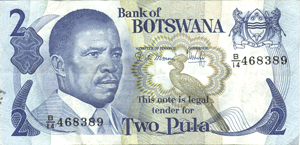 Botswana Pula (BWP) – Botswana’s Pula remains a case study in long-term credibility. Supported by diamond exports, low corruption, and disciplined fiscal management, the Pula reflects decades of institutional stability. To the citizens, currency strength supports social spending, education, and healthcare, reinforcing public trust in government economic management.
 Lesotho Loti (LSL)
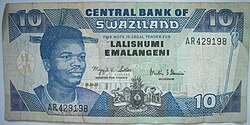 Swazi Lilangeni (SZL)
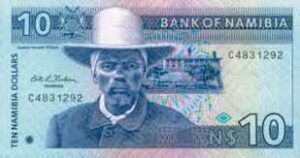
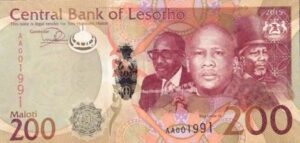 Namibian Dollar (NAD) – These currencies are pegged 1:1 to the South African Rand, anchoring them to the region’s largest economy. While this limits independent monetary policy, it offers predictability for families dependent on remittances and for businesses trading across borders.
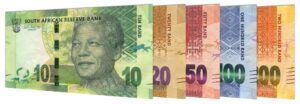 South African Rand (ZAR) – The Rand may not rank highest in value, but it dominates African currency markets in liquidity and global relevance. Its fluctuations mirror South Africa’s political debates, energy challenges and industrial output, making it a barometer for investor sentiment across the continent.
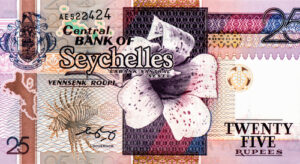 Seychelles Rupee (SCR) – Tourism recovery has restored foreign reserves in Seychelles, helping the rupee remain one of Africa’s strongest currencies. Tight fiscal policy and IMF engagement underpin this performance. Currency stability helps manage the high cost of imported goods for the local families, which is a major issue for island economy.
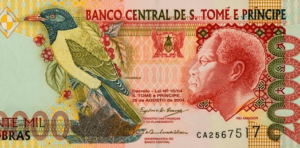 São Tomé and Príncipe Dobra (STN) – Pegged to the euro, the Dobra offers predictability despite the country’s narrow economic base. Cocoa exports, tourism, and hopes of future oil development shape its outlook, with currency stability helping small businesses plan despite limited scale.
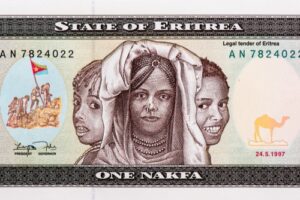 Eritrean Nakfa (ERN) – The Nakfa’s strength stems from strict state control and a fixed exchange rate. Eritrea’s self-reliance model limits exposure to global shocks but also constrains private enterprise and cross-border trade, shaping everyday economic life for households.
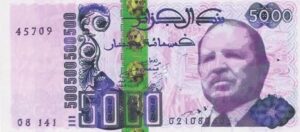 Algerian Dinar (DZD) – Backed by hydrocarbon revenues and large reserves, Algeria’s Dinar remains stable under heavy regulation. While this protects the currency, limited convertibility affects foreign investment and entrepreneurial growth.
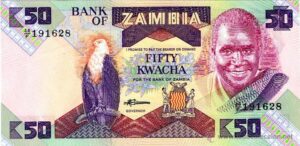 Zambian Kwacha (ZMW) – The Kwacha’s performance is closely tied to copper prices and agricultural output. Recent central bank measures have improved stability, offering cautious optimism for farmers, miners, and exporters.
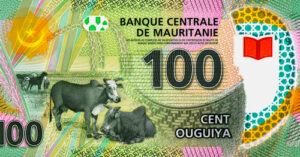 Mauritanian Ouguiya (MRU) – Re-nominated in 2018, the Ouguiya reflects Mauritania’s efforts to modernize its monetary system. Fishing, mining, and development financing support moderate stability, though households remain vulnerable to external shocks.
 Egyptian Pound (EGP) – Egypt’s currency reforms under IMF guidance have increased transparency but also brought volatility. For families, devaluation has raised living costs, while exporters and tourism operators gain competitiveness.
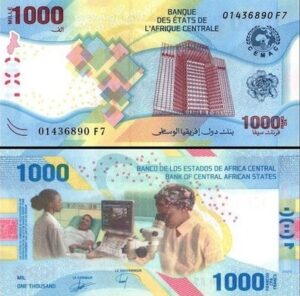 Central African CFA Franc (XAF) – Used across 14 countries, the CFA Francs are pegged to the euro, delivering low inflation and currency predictability. Critics argue the system limits monetary sovereignty, while supporters point to stability that supports trade, household savings, and long-term planning.
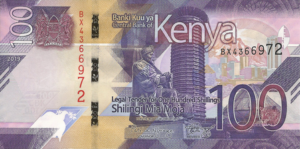 Kenyan Shilling (KES) – The Kenyan Shilling remains central to East African trade, supported by a diversified economy and strong remittance inflows. Currency pressures persist, but Kenya’s services sector and regional role provide resilience.
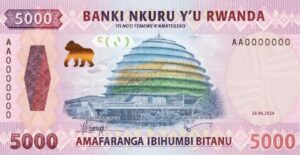 Rwandan Franc (RWF) – Rwanda’s Franc reflects disciplined governance and long-term planning. Stability supports investor confidence and underpins the country’s service-oriented growth strategy, etc.
Africa’s strongest currencies in 2026 highlight a crucial reality: nominal strength does not always equal economic freedom or prosperity. Some of the highest-valued currencies rely on strict controls that shape daily life for families and businesses, while others reflect open reforms, exports, and institutional trust.
From the Tunisian Dinar’s discipline to the South African Rand’s market depth, these currencies reveal how policy choices ripple through societies, affecting prices in local markets, confidence in small businesses and the ability of households to plan for the future.
Important note: This ranking is based on nominal exchange rates against the US Dollar. A higher face value does not necessarily mean a stronger or more flexible economy. In many cases, currencies with lower nominal values such as the CFA Francs, operate within more stable and predictable monetary systems.
As Africa’s economies continue to evolve, currency strength will remain both a symbol and a consequence of deeper political, social, and economic decisions shaping the continent’s future.