
African Countries with the Most Homeless People in 2025: A Growing Social and Political Challenge
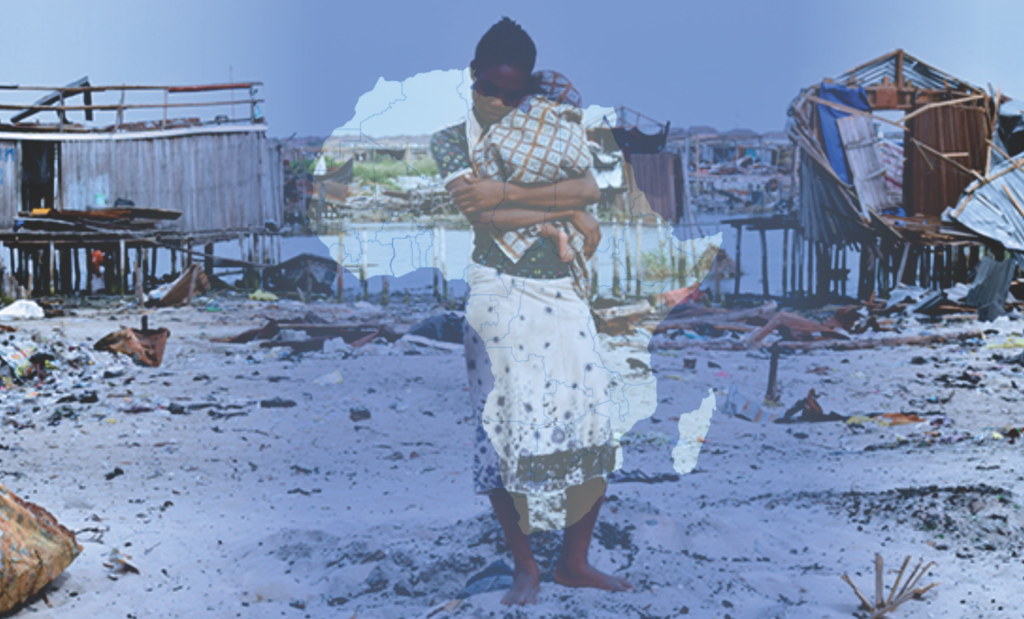
Homelessness remains one of Africa’s most urgent human development challenges in 2025, shaped by rapid population growth, poverty, conflict and the persistent shortage of affordable housing. While homelessness exists in every region of the world, including wealthy nations, its impact in many African countries is more visible, precarious and intensely tied to survival, dignity and access to basic rights.
Estimates from the World Population Review indicate wide differences in homelessness across African countries, both in absolute numbers and relative to population size. Some countries struggle with very large homeless populations because of their sheer population scale, while others face intense pressure because homelessness affects a high proportion of their citizens. Together, these figures highlight not only a housing crisis, but also a broader governance and social protection gap. Moreso, to urban concentration and high-risk cities.
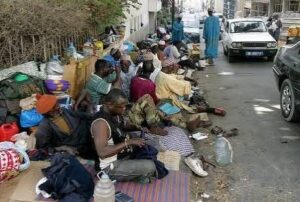
Across the continent, homelessness is overwhelmingly an urban phenomenon. Cities act as magnets for opportunity, but without adequate planning and investment, they also become epicenters of exclusion.
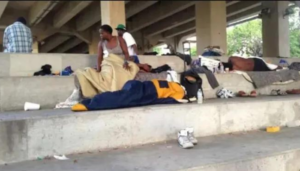
In Nigeria, Africa’s most populous country, Lagos illustrates the depth of the crisis. Areas such as Oshodi, Ajegunle, Ketu, Shomolu, and Obalende host thousands of people living on sidewalks, under bridges, or in informal clusters. High rents, unemployment, and migration from other states in search of work continue to push people onto the streets. Waterfront settlements like Makoko, built on stilts over the lagoon, expose families to flooding, disease, and eviction, while similar patterns of homelessness and overcrowded informal housing appear in Abuja and Kano.
In Uganda, Kampala records the country’s highest concentration of homeless people, particularly around transport hubs and markets. Internal migration, youth unemployment, and limited public housing have stretched the city’s capacity to absorb new residents.

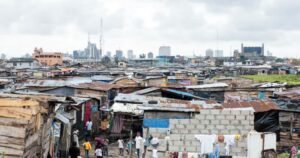
In Sudan, Khartoum and its surrounding towns face elevated homelessness linked to prolonged economic instability and mass displacement. In Egypt, dense informal settlements on the outskirts of Cairo and Alexandria, such as Ezbet El Haggana, highlighting housing precarity, where millions live in self-built homes without reliable water, sanitation, or secure land tenure.
The challenge extends across the continent. Kinshasa and Lubumbashi in the Democratic Republic of Congo, Mogadishu in Somalia, Harare and Bulawayo in Zimbabwe, Ouagadougou in Burkina Faso, Maputo in Mozambique, and Addis Ababa in Ethiopia all report growing homeless populations tied to conflict, economic hardship, and rural-to-urban migration. These cities reveal a common pattern: when urban growth outpaces social policy, homelessness becomes a permanent feature of city life. Children are at the center of the crisis.
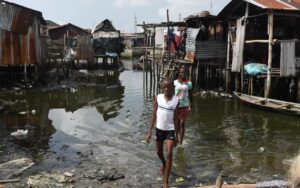
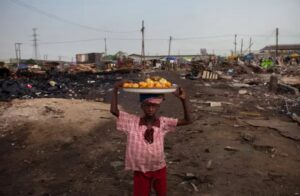
The human cost of homelessness is most devastating for children. Across African cities, homeless children face daily exposure to violence, hunger, and exploitation. UNICEF reports that many survive through hazardous street work. Selling goods in traffic, scavenging, or carrying loads. While others are drawn into illegal activities such as theft, drug trafficking, commercial sex, or organized begging.
Instead of protection, many encounter punishment. Children are frequently arrested for vagrancy or minor offenses and detained in unsafe facilities, where they face extortion, physical abuse, sexual violence and in extreme cases, death. Girls are particularly vulnerable, often exposed to gender-based violence and coercion. These realities point to a failure not only of housing systems, but of child protection, justice, social welfare institutions, political responsibility; and the absence of social opportunity.
Homelessness is a social problem. It is a political one. It reflects policy choices around land use, urban planning, public investment and social protection. Governments that prioritize affordable housing, secure land tenure, and inclusive urban development tend to reduce homelessness over time. Those that rely on evictions, criminalization, or neglect often deepen it.
Globally, countries in Europe, North America and parts of Asia have shown that coordinated policies such as social housing programs, rent controls, emergency shelters and income support, can reduce homelessness when sustained by political will. African countries can adapt these lessons into local realities, combining housing delivery with job creation, child protection and community-based support, towards human-centered urban futures.
Addressing homelessness in Africa requires more than temporary shelters. It demands long-term investment in affordable housing, better urban governance, protection for children and inclusive economic growth. As African cities continue to expand, the way governments respond to homelessness will shape skylines, social cohesion, public health and political trust.
In 2025, homelessness stands as both a warning and an opportunity. A warning of extreme disparity and an opportunity for African states to advance human dignity, strengthen social contracts and build cities that work for all.
 Nigeria – 4,500,000
 Uganda – 4,016,980
 Sudan – 3,000,000
 Egypt – 2,000,000
 DR Congo – 1,500,000
 Zimbabwe – 1,200,000
 Mozambique – 640,000
 Ethiopia – 600,000, etc. Nigeria has the highest number of homeless people in Africa; and it’s 4th in the world.