
Africans Digital Safety Remains Uncertain as a Surge of Internet Consumers Surf Online
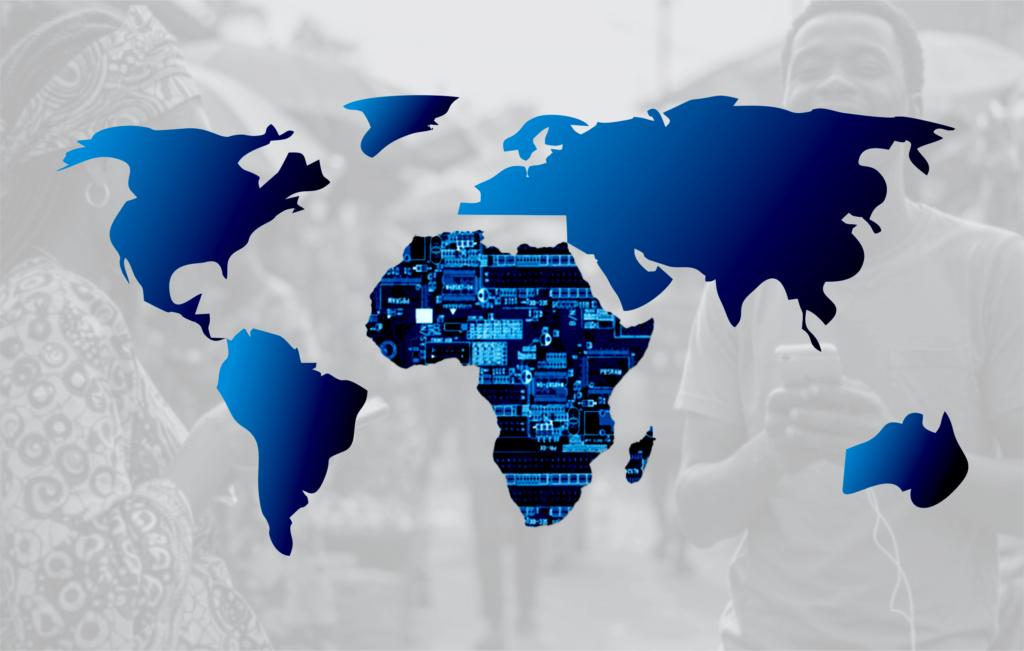
Across Africa, the internet has become a daily companion. From bustling markets in Lagos to rural towns in Lesotho, mobile phones light up hands and homes, connecting millions to news, work, banking and societies. But as digital access surges, awareness and practice of online safety measures are struggling to keep pace.
A survey of adult internet users in seven African countries by Afrobarometer in 2025, reveals a striking contrast. While 84% of respondents say they go online daily or several times a week, only 32% consider themselves even somewhat familiar with tools to protect their digital privacy. The findings suggest that Africa’s transformative digital revolution, may be unfolding faster than citizens’ ability to safeguard themselves within it.
Shuffling through most online surfers, their preferred gateway to the internet usage is a handheld device. 85 percent access online content primarily through mobile phones, reinforcing Africa’s reputation as a mobile-first continent. Young adults aged 18 to 35 years, lead the way with 87% report of regular internet use, compared to lower rates among older cohorts, though their number still remains significant in the statistics.
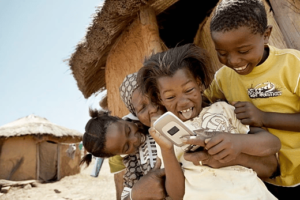
Social media platforms dominate the flooded usage because of information-driven ecosystem. More than eight in 10 respondents say they get news from social media regularly; and half rely on other internet sites. In countries like Morocco, where internet penetration approaches 92%, digital engagement is near universal. In contrast, connectivity remains below 15% in countries such as Burundi and Chad, highlighting unambiguous disparities in access across the continent. While expanded connectivity has delivered socioeconomic gains, from mobile money services for the unbanked, to digital tax systems designed to curb corruption, it has also widened exposure to cyber risks, breeding rising threats in the mid of limited protection.
Cybercrime is escalating. According to assessments by Interpol, African countries are witnessing a surge in ransomware attacks, online scams and digital extortion schemes. Thus far, personal cybersecurity practices remain uneven. Although 72% of respondents claim to use strong passwords, only about half of users in Republic of Benin are reportedly doing so. More robust protections are far less common; and just one-third of the consumers use two-way-factor authentication, 30% install antivirus software and only 21% use virtual private networks (VPNs).


Paradoxically, concerns about vulnerability is widespread. Over half of respondents worry about the safety of their personal information online and 81% believe mobile phones are more susceptible to harmful activities than computers. Still, translating concern into consistent protective action remains a challenge. Youth and older-men report higher usage of most digital security tools, while older adults and older-women tend to exercise caution by avoiding suspicious links or downloads. More than two-thirds say they refrained from clicking unknown links or downloading files from unfamiliar sources in the past year. This is a positive sign that is largely reactive than preventive. Leaning on informal learning when a formal policy gap still hangs.
One of the survey’s most revealing findings lies in how Africans learn about digital safety. 60% of the majority of internet consumers rely on social media and friends, while 62% rely on family for guidance. Fewer people of about 29%, turn to structured channels such as workplace training; 32% turn to news websites; and 48% lean instructional videos. This reliance on informal networks raises concerns about misinformation and inconsistent guidance, particularly when social media, which is a primary risk vector, is doubling as the main educator.

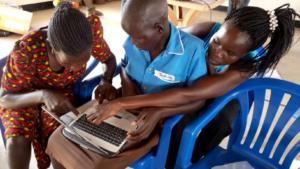
Governments are beginning to respond. Kenya has prioritised cybersecurity within its national security framework, while Ghana has focused on protecting expanding digital systems, including national ID and digital address platforms. In Rwanda, cybersecurity education is being introduced in schools; and Malawi has tied national campaigns to Global Cybersecurity Awareness Month. Yet, every policy frameworks and experts caution, must be matched by grassroots engagement. Without widespread digital literacy initiatives, particularly targeting women, rural populations and older citizens, the gap between connectivity and safety may expand existing social risk, and drive a sense of social disparities. And this might just be a cybercrime-abattoir of human implications farther than the browsing screen.
Behind the statistics are real human consequences. A compromised mobile wallet can wipe out a trader’s daily earnings. Social media account that is hacked, can damage reputations or fuel harassment. Exposure to misinformation, can shape public opinion and political discourse in fragile democracies. So, as Africa’s internet penetration grows at twice the global average, the continent stands at an intersection of redefining to promote sociosecurity mindful and national policy to safeguard citizens from cybercrime. The digital economy promises inclusion and innovation, but its sustainability depends on building strong online security literacy among users.

Educating citizens about cybersecurity is a social-golden technical exercise. It is also matter of economic security, democratic integrity and personal dignity. Real progress will require coordinated action from governments strengthened legal frameworks, private-sector platforms enhancing safeguards, schools embedding digital literacy into curricula; and communities fostering a socioculture of informed vigilance. As Africa’s digital social-transaction journey is one of a remarkable expansion. Nevertheless, the next chapter will be defined by how many people are empowered with the sense of safety to navigate the online space.