
Africa’s Five Working Refineries Reshaping the Continent’s Fuel-Supply Story
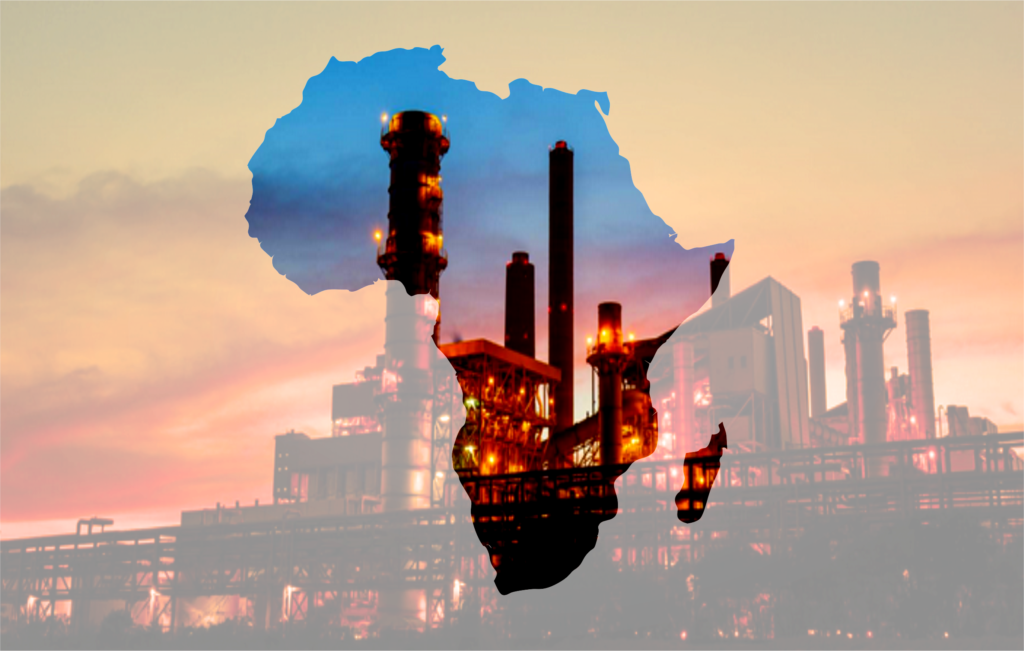
Africa, home to roughly 8-9% of the world’s proven crude oil reserves, exported millions of barrels of crude each day, only to import most of the petrol, diesel and jet fuel its people consumed. The result was chronic fuel shortages, ballooning import bills, volatile pump prices and a steady drain on foreign exchange.
The central challenge were old nonfunctional refineries that were poorly maintained, or simply offline. By the late 2010s, Africa was refining less than 40% of the petroleum products it consumed, according to industry estimates, despite being a major oil producer. Families felt the harsh reality from rising transport fares, businesses absorbed it through higher logistics costs, governments struggled with fuel subsidies, while public anger boiled. This picture is now beginning to change slowly and unevenly, as new investments, upgrades and large-scale private-sector projects are breathing life into the continent’s downstream oil sector.
As of 2026, a handful of fully functional refineries stand out for their scale, reliability and growing regional impact. Together, these facilities tell a broader story about energy security, industrial ambition and the everyday lives shaped by fuel availability.
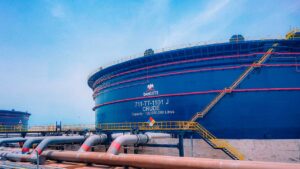
Dangote Petroleum Refinery: On the outskirts of Lagos, in the Lekki Free Trade Zone, sits a project that has redefined Africa’s refining ambitions. The Dangote Petroleum Refinery, with a capacity of about 650,000 barrels per day, is not only the largest in Africa, it ranks among the largest single-train refineries in the world, even as it plans to upscale to 1.4million bpd. The implications are profound for Nigeria, Africa’s biggest crude producer.
The Dangote refinery is produces petrol, diesel, aviation fuel and other products, sufficient to meet Nigeria’s entire domestic demand, with surplus volumes available for export across West and Central Africa. This promises more stable supply and lower exposure to global shipping shocks for traders, transporters and manufacturers.
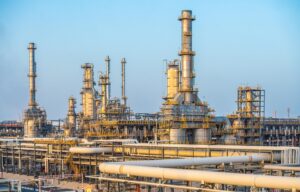
Algeria’s Skikda Refinery: In North Africa, Algeria has long relied on refining as a pillar of its energy economy. The Skikda Refinery, located on the Mediterranean coast, processes roughly 350,000 barrels per day, making it one of the region’s largest and most established facilities.
Skikda supplies Algeria’s domestic market while supporting exports to Europe and neighboring countries. In a nation where hydrocarbons account for more than 90% of export revenues, the refinery is not just an industrial asset but a political and social stabilizer, helping cushion households from fuel shortages and price shocks.
Skikda represents continuity to port workers, engineers and surrounding communities, in a sector that supports millions of livelihoods across the Algerian economy.
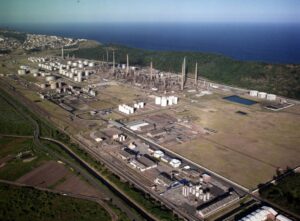
SAPREF in Durban – South Africa: In southern Africa, refining capacity has been under pressure from aging plants and rising environmental standards. Against this backdrop, the SAPREF Refinery in Durban, with a capacity of around 180,000 barrels per day, has historically played an outsized role.
Operated as a joint venture between BP and Shell, SAPREF has been central to South Africa’s fuel supply chain, feeding transport, agriculture and industry in the country’s economic heartland. Its output has also supported neighboring states that depend on South African logistics corridors. Also for small logistics firms and commuters alike, the refinery’s performance has often meant the difference between predictable fuel prices and disruptive shortages.
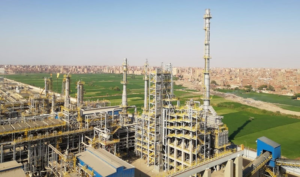
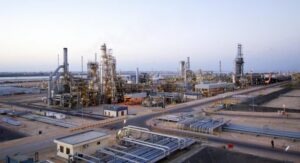
MIDOR and Mostorod of Egypt: one of Africa’s most populous country with over 110 million people, faces relentless fuel demand from households, transport networks and industry. To reduce imports, Cairo has pursued a deliberate refining expansion strategy.
The Alexandria MIDOR Refinery, following recent upgrades, now processes about 160,000 barrels per day, producing gasoline, diesel, and other fuels primarily for domestic use. Complementing it is the Cairo Mostorod Refinery, operated by the Egyptian Refining Company, with a capacity of roughly 140,000 barrels per day.
Together, these facilities support Egypt’s goal of cutting refined fuel imports, easing pressure on foreign currency reserves, and stabilizing prices for consumers. For urban families already grappling with inflation, reliable fuel supply is tightly linked to food prices, transport costs, and household budgets.
Why refining matters to daily life across Africa, is that fuel is more than an energy commodity. It determines the cost of moving food from farms to markets, children getting to school, buses running on time and factories keeping machines humming. When refineries fail, the ripple effects are immediate and personal.
These five operational refineries collectively represent a capacity of over 1.5 million barrels per day, which is a significant step toward narrowing Africa’s refining gap. They also highlight disparities. Many oil-producing countries still lack functional refineries, while others depend heavily on a single facility.
Experts caution that refining alone is not a silver bullet. Stable electricity, pipelines, storage facilities, transparent regulation and competitive pricing systems are just as critical too. Without them, even large refineries can struggle to translate capacity into affordability.
Africa’s refining revival is reshaping old assumptions about dependency and vulnerability. Across Africa, these facilities points to a shift toward keeping more value at home, because by processing crude locally, skilled jobs are sustainably created, strengthening energy security. When refineries work, development becomes a little more predictable. When they don’t, the costs are felt everywhere.
As Africa’s energy future unfolds, these five refineries standout as industrial complexes of tested case-studies, proving that the continent can finally align its vast oil wealth with the everyday needs of its people.